
Table of Contents
Why Explore Vietnamese Cuisine & Culture?
Vietnam is a country where food and culture are inseparable. Each dish tells a story of local traditions, family life, and regional history. Northern meals are subtle and delicate, Central dishes bold and spicy, Southern recipes sweet and fragrant. Experiencing these flavors allows you to truly connect with Vietnamese culture, beyond sightseeing.
Many travelers ask: “Is Vietnam worth visiting?” Absolutely – especially for food lovers. Culinary tourism became one of the top reasons international visitors chose Vietnam. By exploring the country’s must-try Vietnamese dishes, you can taste the heart of the culture, connect with locals, and create unforgettable memories.
Discovering what is typical Vietnamese food allows you to understand the subtle balance of flavors that defines Vietnamese cuisine. From street food to fine dining, each bite is a glimpse into the history, geography, and social customs of Vietnam.
Vietnamese Philosophy In Culinary Culture
According to Professor Trần Văn Khê, Vietnamese cuisine follows three timeless principles:
First, food must delight all five senses. A meal is not just about taste – it’s about satisfying all five senses: seeing vibrant colors, smelling rich aromas, hearing the joyful crunch, savoring the flavors, and feeling the textures. If one dish cannot offer all, combine different dishes to create a full sensory experience (colors, aromas, sounds, flavors, and feelings).
Second and most important, balance is everything. Vietnamese cooking always seeks harmony between yin and yang, hot and cold. It is the way of nature. A dish that is salty is yang; a dish that is sour or sweet is yin. For example, when Vietnamese people cook meat or fish, they must have fish sauce and salt (yang), but still add a little sugar (yin). Just like that, even desserts like sweet soups include a pinch of salt, while fresh fruits such as watermelon or grapefruit are enjoyed with a sprinkle of salt to restore balance.
Finally, every dish should embrace the diversity of flavors. Take fried spring rolls (“chả giò/nem rán”) as an example: it’s a combination of meat, shrimp, wood ear mushroom, carrots, rice vermicelli, etc, all rolled in rice paper, deep-fried. Then you can enjoy it by dipping them into fish sauce mixed with chili, garlic, sugar, and lime. The result is a symphony of salty, sour, sweet, spicy, and nutty notes – none overpowering the other, all working in harmony.
Each ethnic group has its principles when it comes to preparing food and cooking. It shows that eating is more than nourishment – it’s a philosophy of balance, harmony, and sensory joy. Only by understanding these values can we truly appreciate the depth of Vietnamese culinary culture.
Northern Vietnamese Cuisine – 5 Must-Try Dishes
1. Phở Hà Nội
What is it?
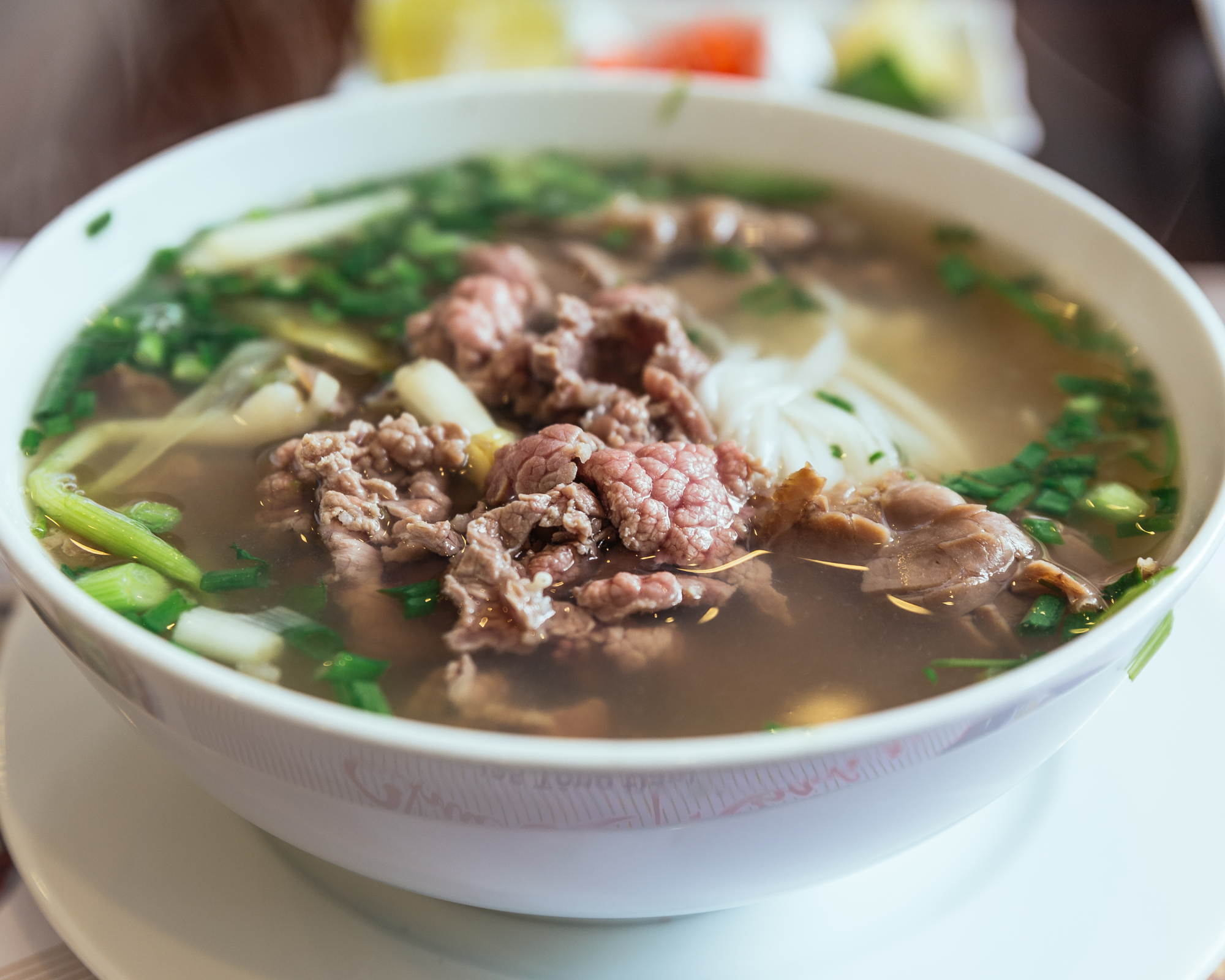
“Phở Hà Nội” is Northern Vietnam’s signature noodle soup, featuring a clear, aromatic broth simmered for hours with beef bones, star anise, cinnamon, and ginger. Thin slices of beef or chicken float atop silky rice noodles. The pale broth, delicate noodles create a visually simple yet deeply satisfying dish, exemplifying Northern subtlety and balance.
How to enjoy it?
Squeeze in lime, add fresh chili or chili sauce, and slurp the noodles along with the fragrant broth. The warmth of the soup, the tender meat create a multi-layered taste experience that goes beyond mere sustenance – it’s a morning ritual for many locals.
Fun facts / Cultural context
Phở dates back to the early 20th century and is considered Vietnam’s national dish. Ranked among the top 100 dishes worldwide, it reflects the combination of local culinary tradition and subtle French influence. Eating “phở” is a must for travelers wanting to experience what is typical Vietnamese food.
2. Bún chả Hà Nội
What is it?
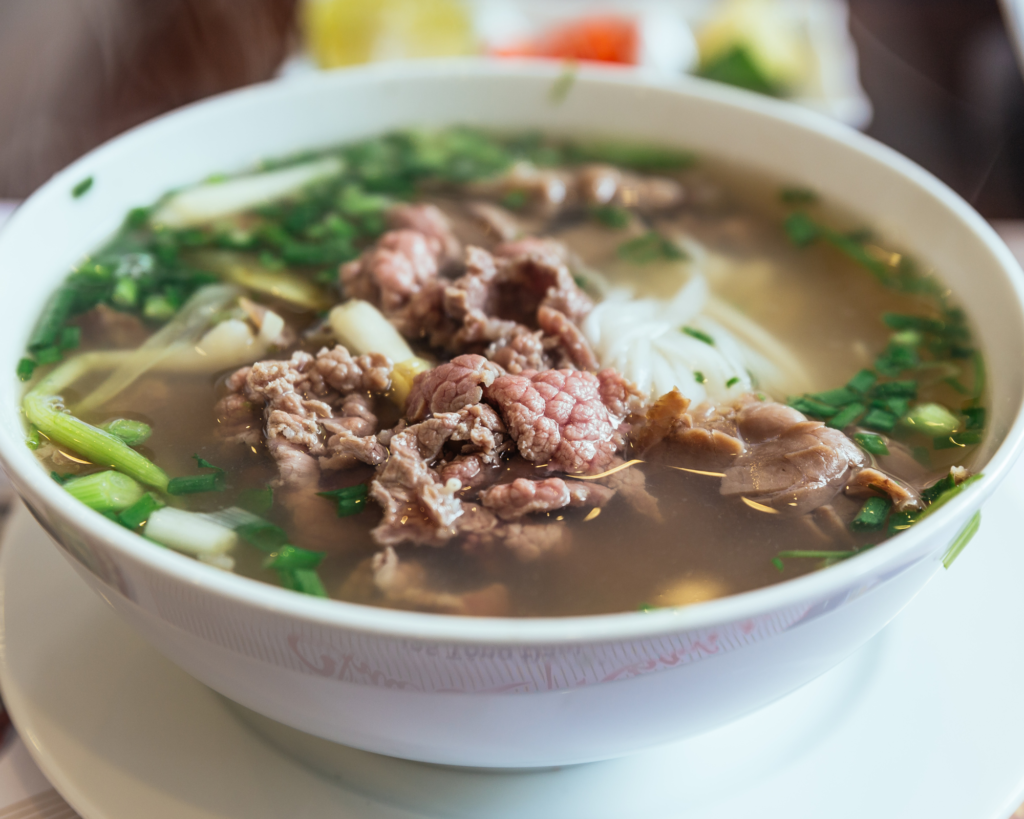
“Bún chả Hà Nội” consists of charcoal-grilled pork patties and slices served with vermicelli noodles, lettuce, and fresh herbs (perilla leaves, Thai basil). The pork is caramelized to perfection, giving off a sweet-savory aroma that draws you into the alleyways of Hanoi. The simplicity of the ingredients belies the depth of flavor, a hallmark of Northern Vietnamese cuisine.
How to enjoy it?
Dip the noodle into the tangy fish sauce, then wrap it with pork and herbs for a balanced bite. The interplay of smoky, sweet pork and fresh vegetables is a delight for the palate.
Fun facts / Cultural context
“Bún chả” gained international attention when U.S. President Obama shared it with locals in Hanoi. Eating Bún chả is not just about flavor – it’s a window into communal dining culture in Northern Vietnam. This dish is considered one of the must-try Vietnamese dishes, reflecting the essence of Vietnamese culture.
3. Chả cá Lã Vọng
What is it?
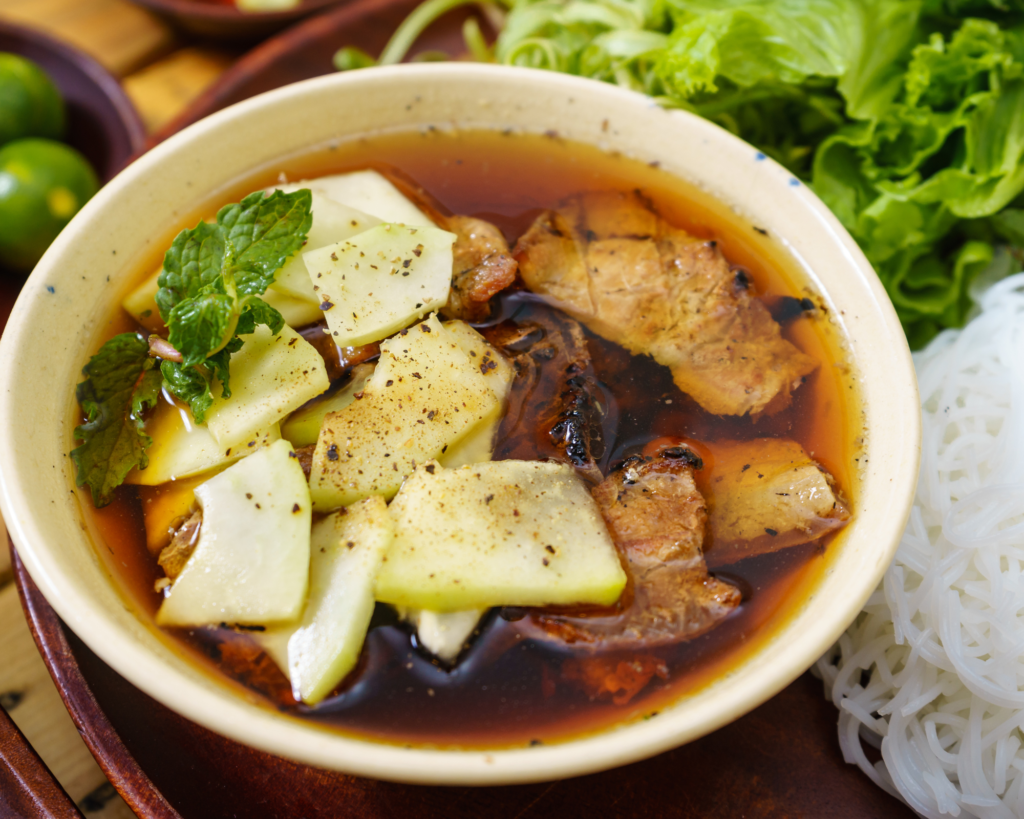
This legendary Hanoi dish features turmeric-marinated fish pan-fried with dill and scallions, served with vermicelli noodles and crushed peanuts. Its golden hue and fragrant aroma make it instantly recognizable.
How to enjoy it?
Combine fish, noodles, dill, green onions, and peanuts before eating. The dipping sauce is the key element that completes the flavor of “chả cá Lã Vọng”. Mix shrimp paste, sugar, hot oil, garlic, chili, and white rice wine thoroughly. Then add lime juice and stir until frothy.
Each bite balances richness, freshness, and crunch, creating a harmonious experience that Northern Vietnamese cuisine is celebrated for.
Fun facts / Cultural context
Originating over a century ago, “chả cá Lã Vọng” showcases Hanoi’s culinary artistry. The meticulous preparation reflects Northern emphasis on quality and finesse, making it a historical as well as a gastronomic delight. It’s also a favorite among travelers exploring what is typical Vietnamese food.
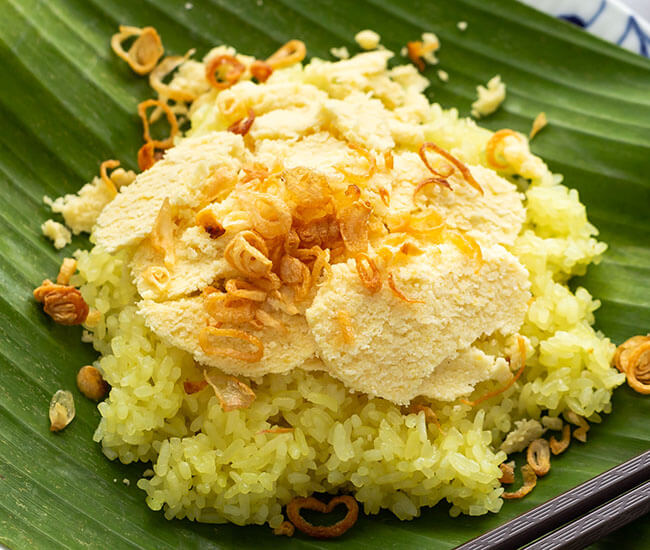
4. Xôi xéo
What is it?
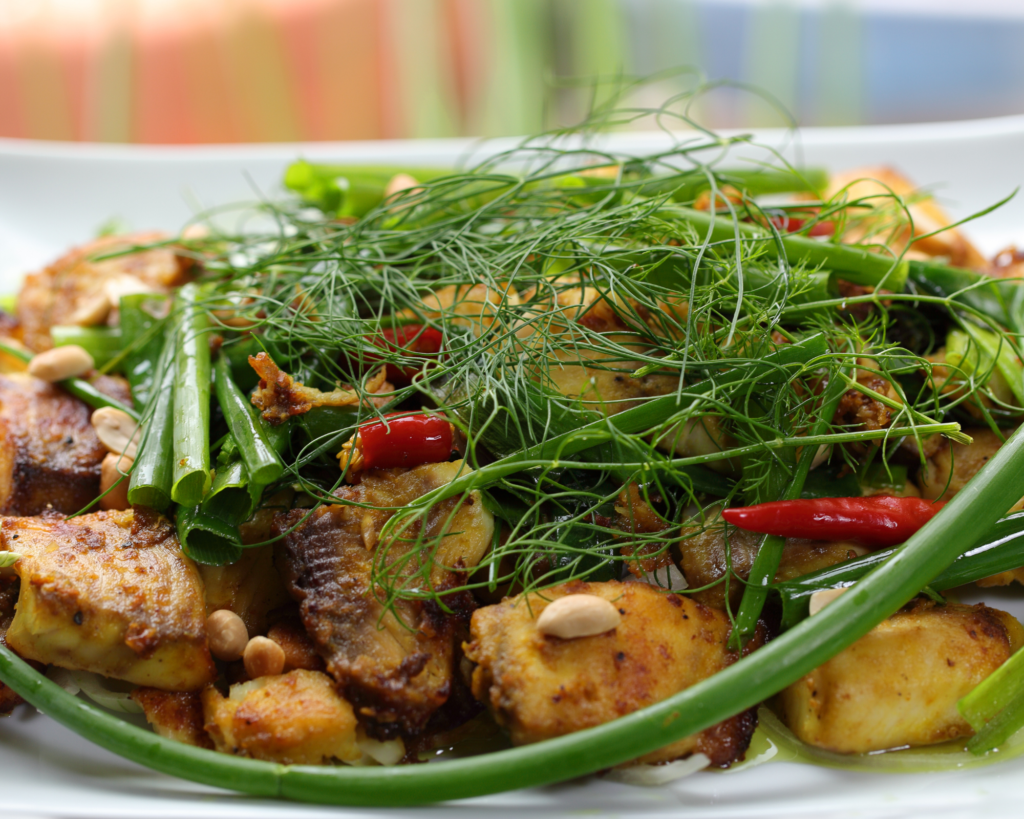
“Xôi xéo” is sticky rice tinted golden with mung beans, topped with fried shallots. The vibrant color and enticing aroma make it a staple breakfast choice in Northern Vietnam.
How to enjoy it?
Best enjoyed fresh from street vendors in the early morning, sometimes with pickled vegetables. Its soft, slightly sweet rice combined with crisp shallots creates a comforting, satisfying texture.
Fun facts / Cultural context
“Xôi xéo” is a quintessential street food, offering a glimpse into the daily life and culinary simplicity of Northern Vietnam. Sampling it is a delightful way to understand Vietnamese cuisine on the go.
5. Nem rán
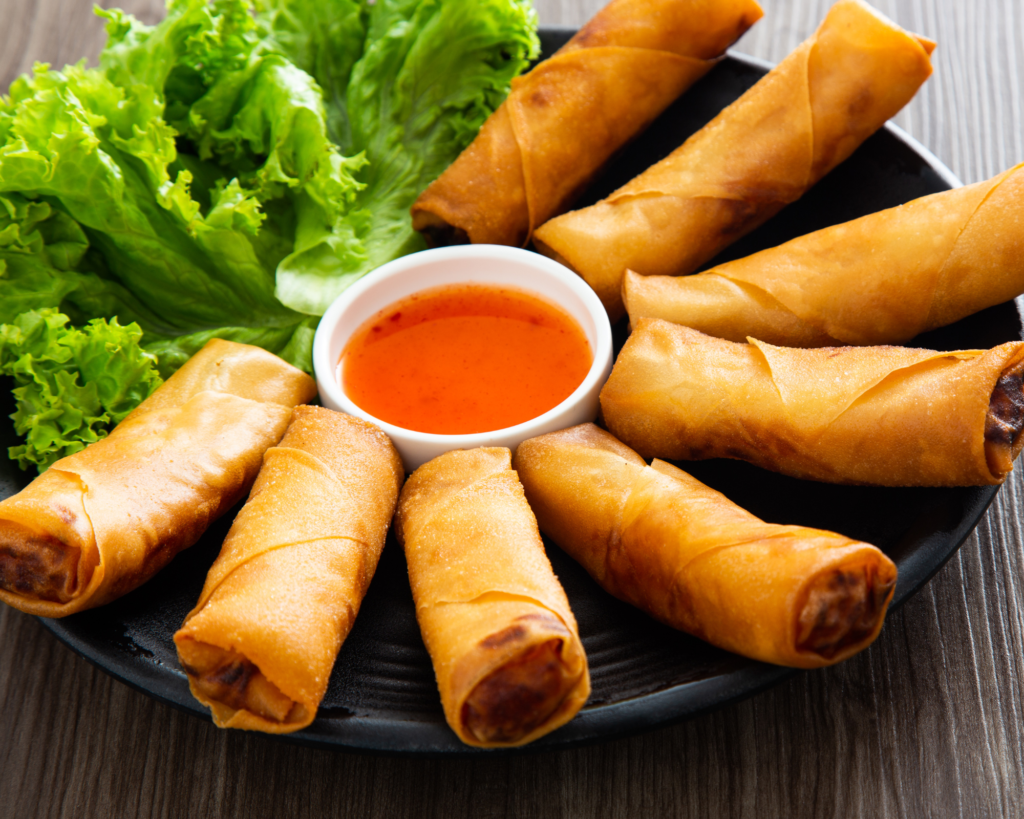
What is it?
Crispy golden rolls filled with minced pork, mushrooms, and vermicelli. Fried to perfection, they are crunchy on the outside yet savory and tender inside.
How to enjoy it?
Serve with lettuce, fresh herbs, and dipping sauce. Wrap the rolls in greens for a refreshing, balanced bite that contrasts textures and flavors.
Fun facts / Cultural context
“Nem rán” is a festive dish during Tết (Vietnamese Lunar New Year) and other celebrations, symbolizing unity and happiness in Northern Vietnamese culture.
Central Vietnamese Cuisine – 5 Must-Try Dishes
6. Bún bò Huế
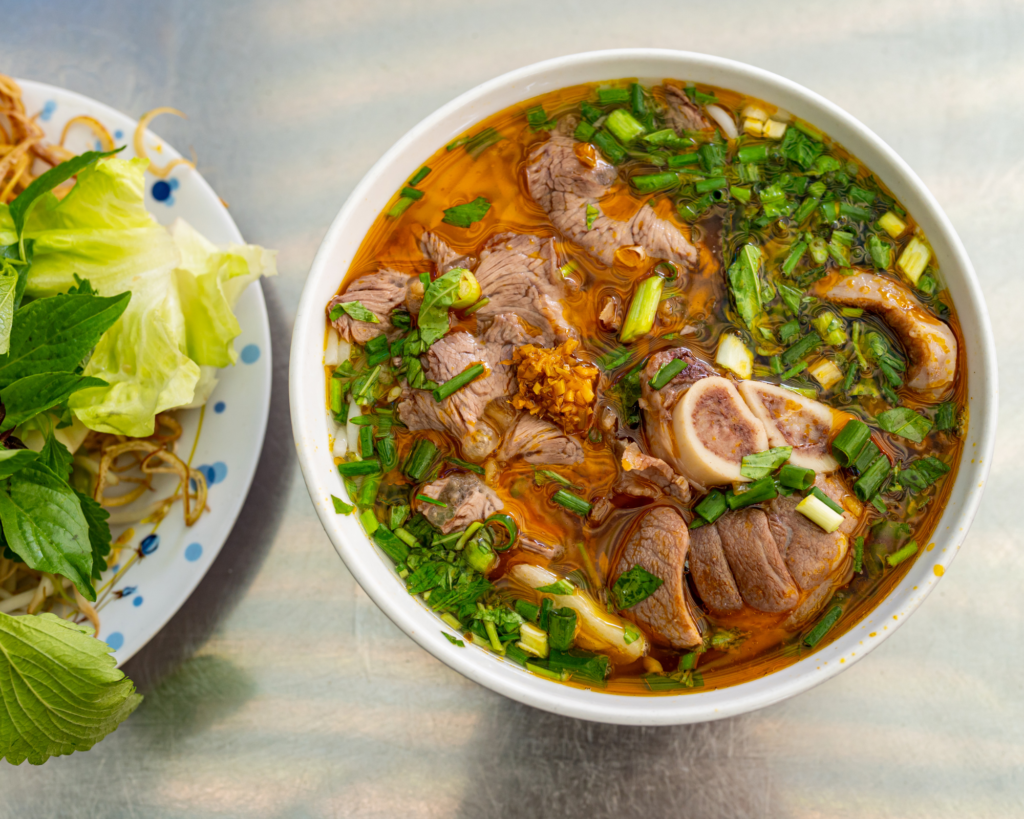
What is it?
“Bún bò Huế” is a rich, spicy beef noodle soup from Hue, featuring small round noodles, beef shank, and pork knuckles. The broth is infused with lemongrass, Vietnamese fermented shrimp paste (“mắm ruốc”), and chili, giving it a complex, bold flavor.
How to enjoy it?
Add lime, chili, lettuce, banana blossom, and some fresh herbs. Slurp the noodles with the spicy, aromatic broth to experience Central Vietnam’s love for intense flavors.
Fun facts / Cultural context
Originating in Hue’s royal kitchens, “bún bò Huế” is a window into the city’s imperial culinary heritage. Travelers exploring what is typical Vietnamese food in Central Vietnam often list this as a must-try Vietnamese dish.
7. Mì Quảng
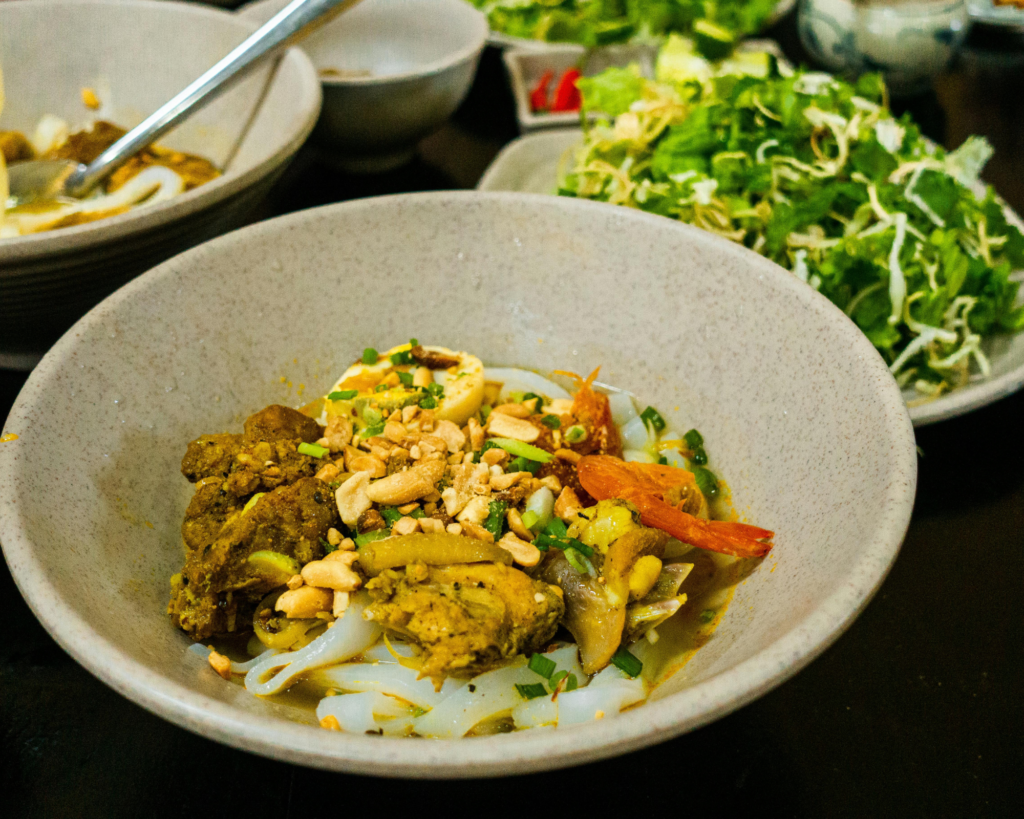
What is it?
“Mì Quảng” features turmeric-yellow noodles, peanuts, a variety of fresh greens, including lettuce, baby mustard greens, assorted herbs, bean sprouts, mint, Thai basil, and crisp rice crackers, served with a small amount of broth. You can choose shrimp, pork, chicken, or a combination of all three, making it easy to enjoy according to your preference. The vibrant colors and mix of textures make it visually enticing.
How to enjoy it?
Mix lightly and enjoy the harmony of soft noodles, crunchy toppings, and savory protein. Eating slowly helps savor the subtle interplay of flavors.
Fun facts / Cultural context
A Quang Nam specialty, “Mì Quảng” is often served at festivals and family gatherings, symbolizing hospitality and local pride. It’s another classic example of what is typical Vietnamese food that food lovers should experience.
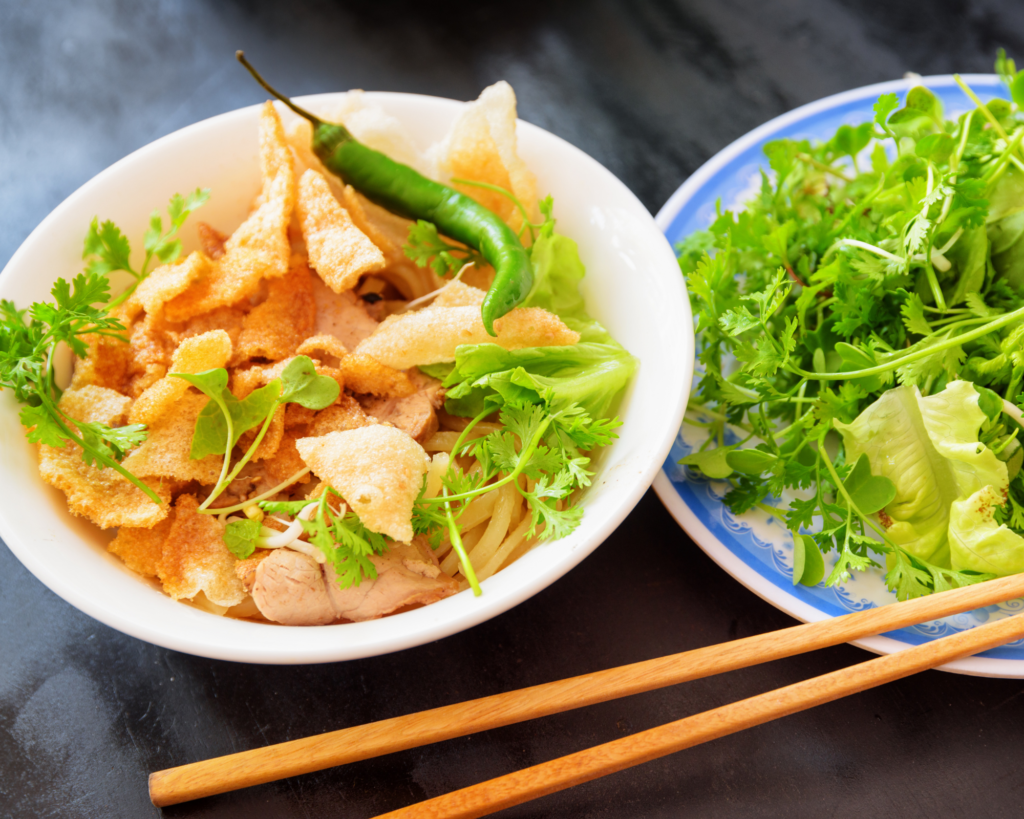
8. Cao lầu Hội An
What is it?
“Cao lầu” consists of thick noodles topped with pork, mint, bean sprouts, and baby mustard greens, and crunchy croutons, lightly moistened with broth. Its distinctive chewy noodles and textural contrasts make it unique.
How to enjoy it?
Combine all ingredients and enjoy the mixture of soft noodles, tender pork, and crisp toppings.
Fun facts / Cultural context
Legend says the noodles are made with water from the Bá Lễ well, giving the dish its signature flavor. Travelers seeking “must-try Vietnamese dishes” often put “cao lầu” at the top of their list
9. Bánh bèo Huế
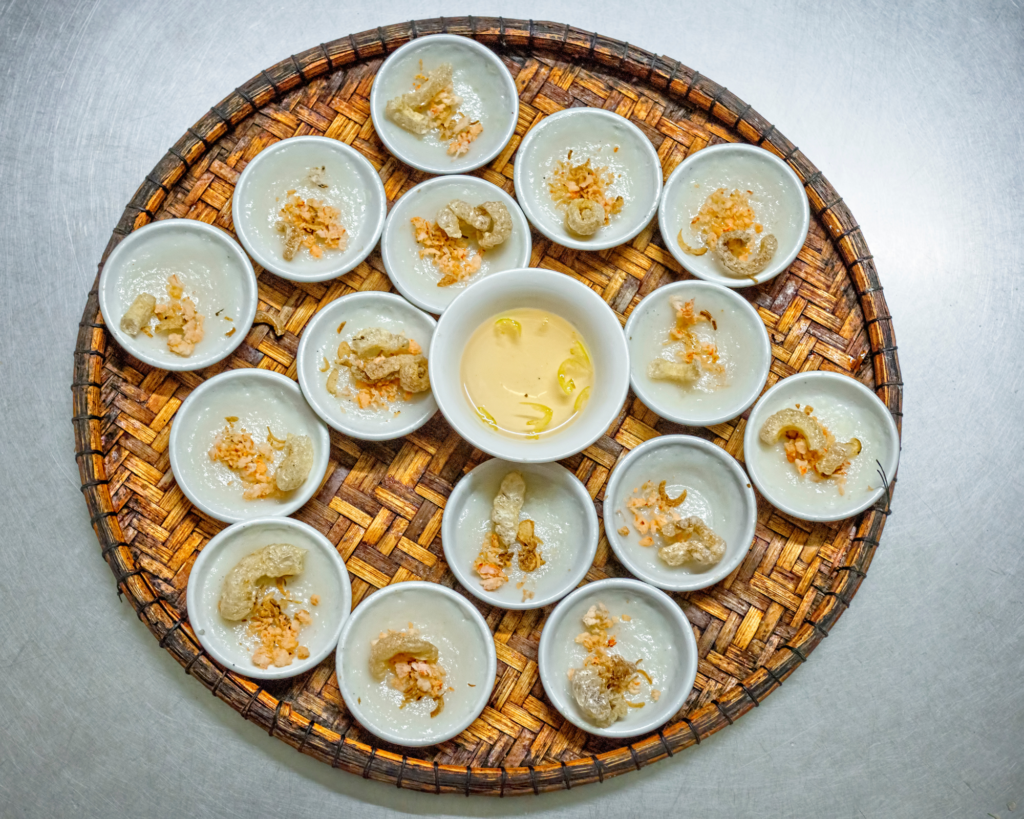
What is it?
Delicate steamed rice cakes topped with minced shrimp, scallions, fried pork skin, and fried shallots. Soft and savory, these bite-sized treats are a visual and flavorful delight.
How to enjoy it?
Each cake is eaten individually with fish sauce, making every bite a personal experience.
Fun facts / Cultural context
In the past, “bánh bèo” was likely sold by street vendors carrying bamboo poles over their shoulders, moving from place to place. It represents the refined elegance of Central Vietnamese cuisine.
10. Bánh khoái
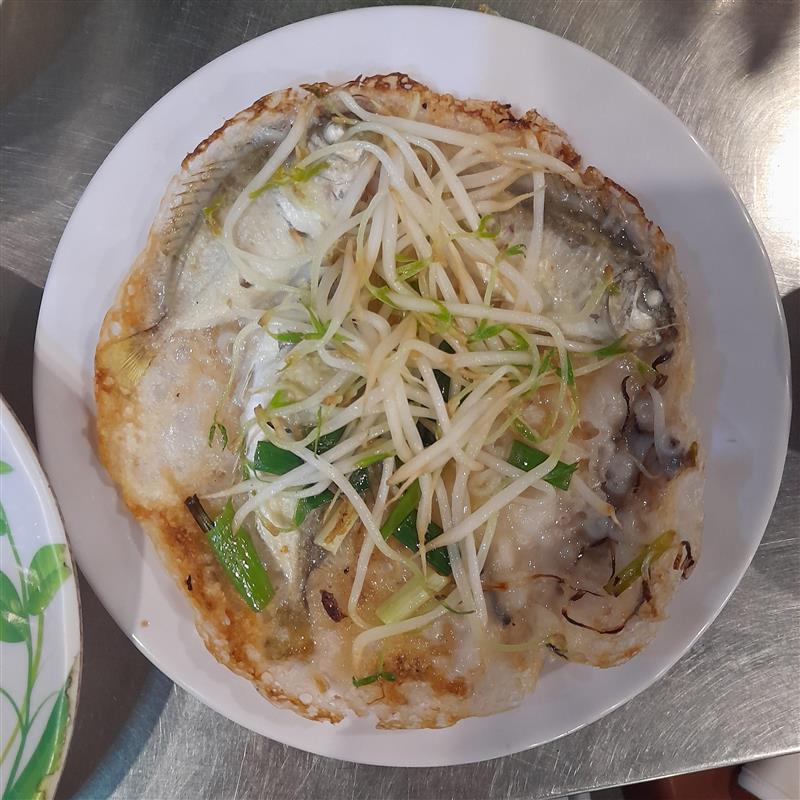
What is it?
Small crispy rice flour pancakes with shrimp, pork, bean sprouts, and sometimes fish. Golden, fragrant, and crunchy, they are a highlight of Hue street food. Many people refer to the dipping sauce for “bánh khoái” as Hue-style “nước lèo”. This unique sauce is crafted from around ten different ingredients, including minced pork and liver, fermented soybean paste, shrimp paste, roasted sesame, roasted peanuts, onion, garlic, and a variety of other seasonings.
How to enjoy it?
Dip in the special Hue sauce, fold, and savor the combination of textures and flavors.
Fun facts / Cultural context
According to Hue culinary artisan Mai Thị Trà, the dish was originally called “bánh khói” (“smoke cake”) because cooking it over a wood fire made smoke that stung the eyes. In the Huế dialect, “khói” sounded like “khoái,” giving the dish its current name, “bánh khoái”.
Southern Vietnamese Cuisine – 5 Must-Try Dishes
11. Bánh mì Sài Gòn
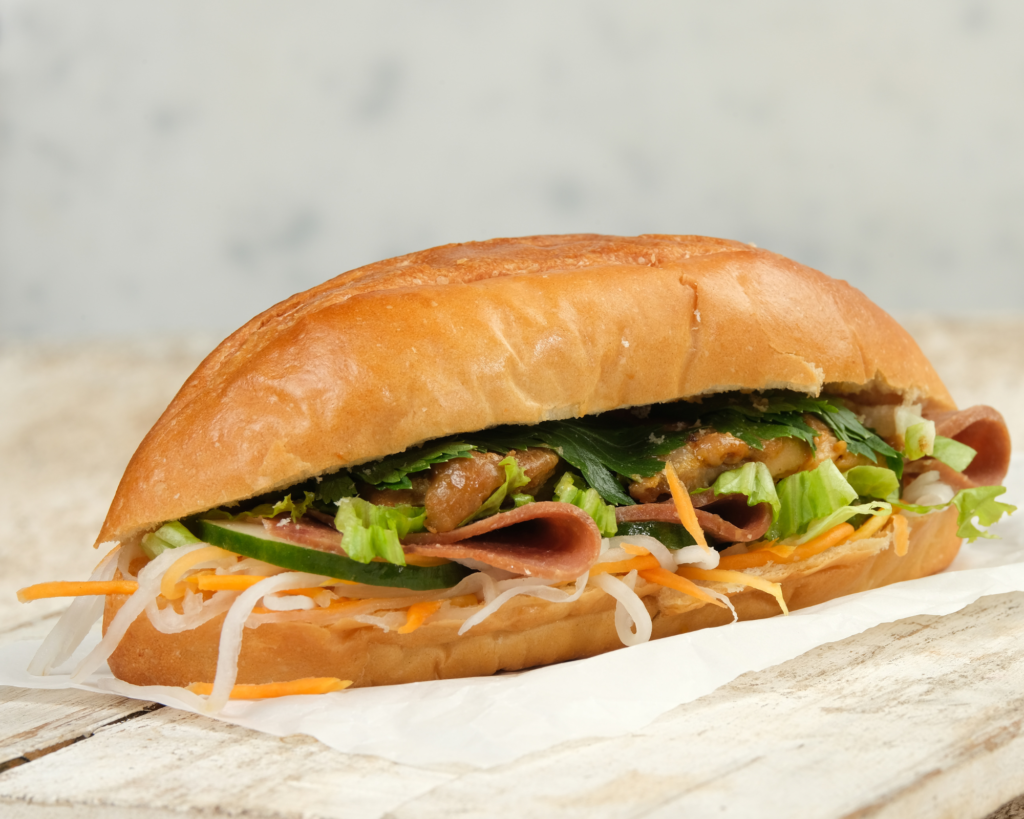
What is it?
Crispy baguette filled with pate, grilled meats, pickled vegetables, and fresh cilantro. The crunch of the bread contrasts beautifully with the soft fillings.
How to enjoy it?
Eat fresh from street vendors to enjoy the perfect texture and flavor combination.
Fun facts / Cultural context
A fusion of French and Vietnamese cuisine, “bánh mì” represents Southern creativity and has achieved worldwide fame.
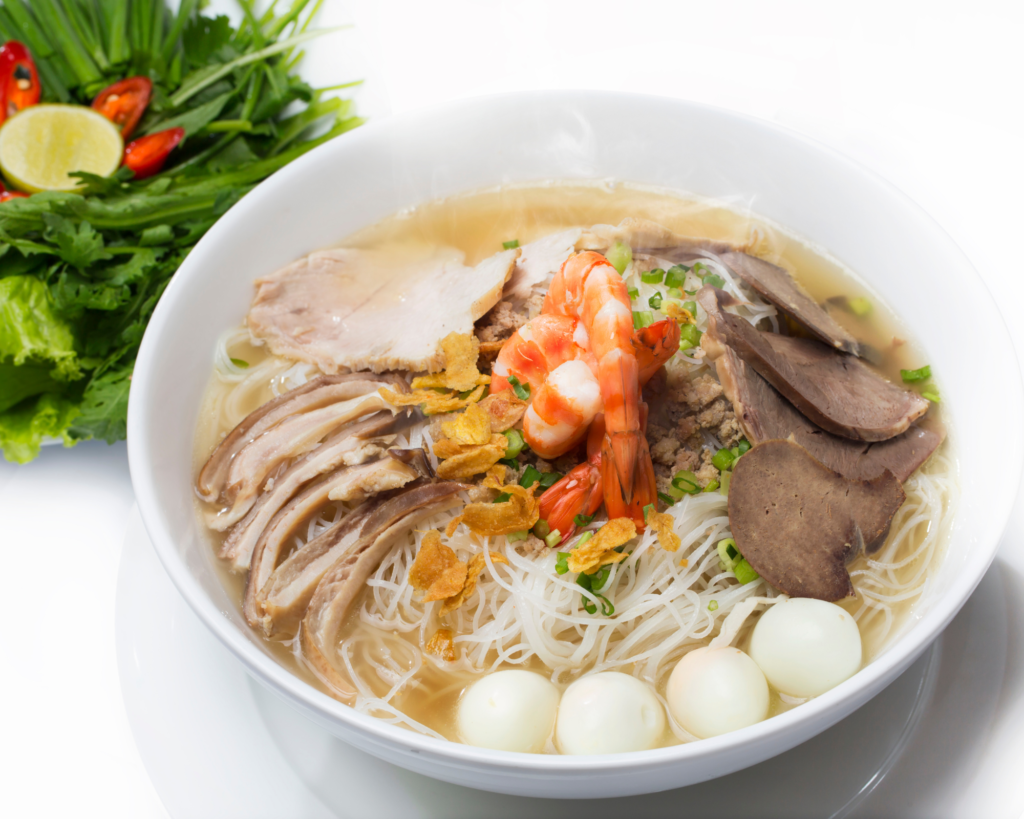
12. Hủ tiếu Nam Vang
What is it?
A noodle soup with pork, shrimp, and vegetables in a sweet, light broth. Clear and flavorful, it’s a comforting Southern dish.
How to enjoy it?
Add a variety of fresh greens, including lettuce, bean sprouts, chives, assorted herbs, and a squeeze of lime. Slurp while hot for the full aromatic experience.
Fun facts / Cultural context
Adapted from Cambodian cuisine, “hủ tiếu Nam Vang” illustrates Southern Vietnam’s openness to foreign culinary influences.
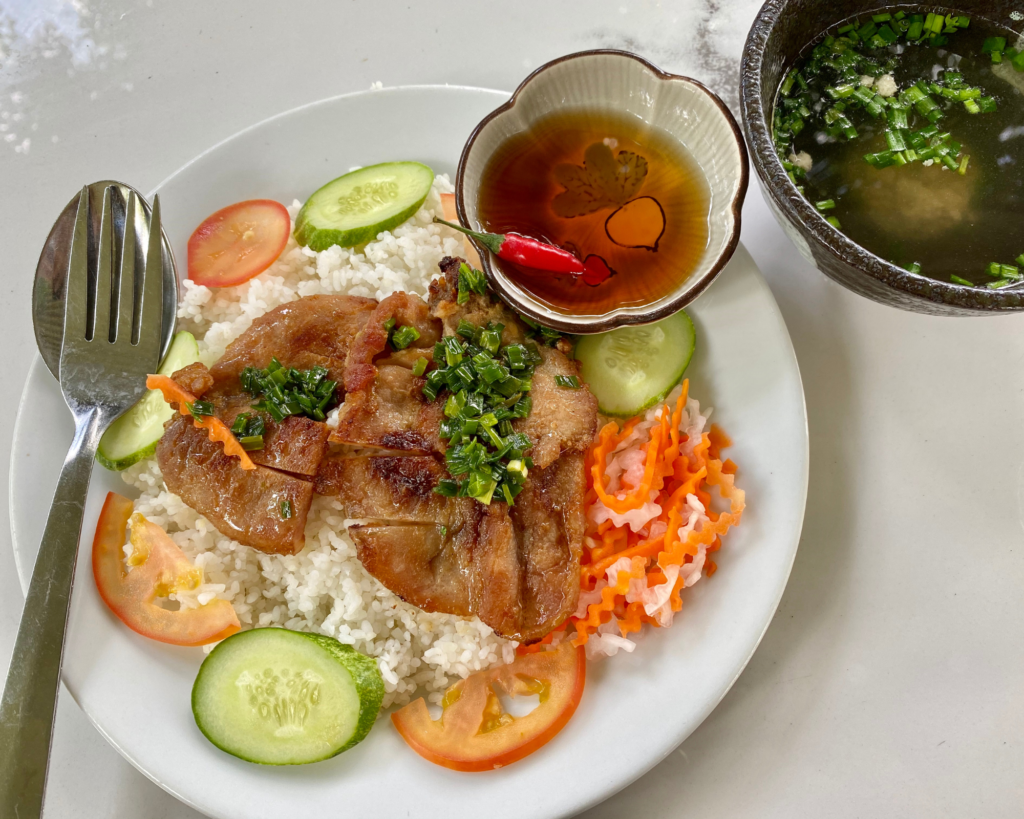
13. Cơm tấm Sài Gòn
What is it?
Broken rice served with grilled pork, egg, pickles, and shredded pork skin. Hearty and satisfying, a staple in Southern street food culture.
How to enjoy it?
Drizzle fish sauce or chili for extra flavor. Perfect for all three meals: breakfast, lunch, and dinner!
Fun facts / Cultural context
“Cơm tấm” showcases Southern ingenuity in transforming simple ingredients into a beloved everyday meal.
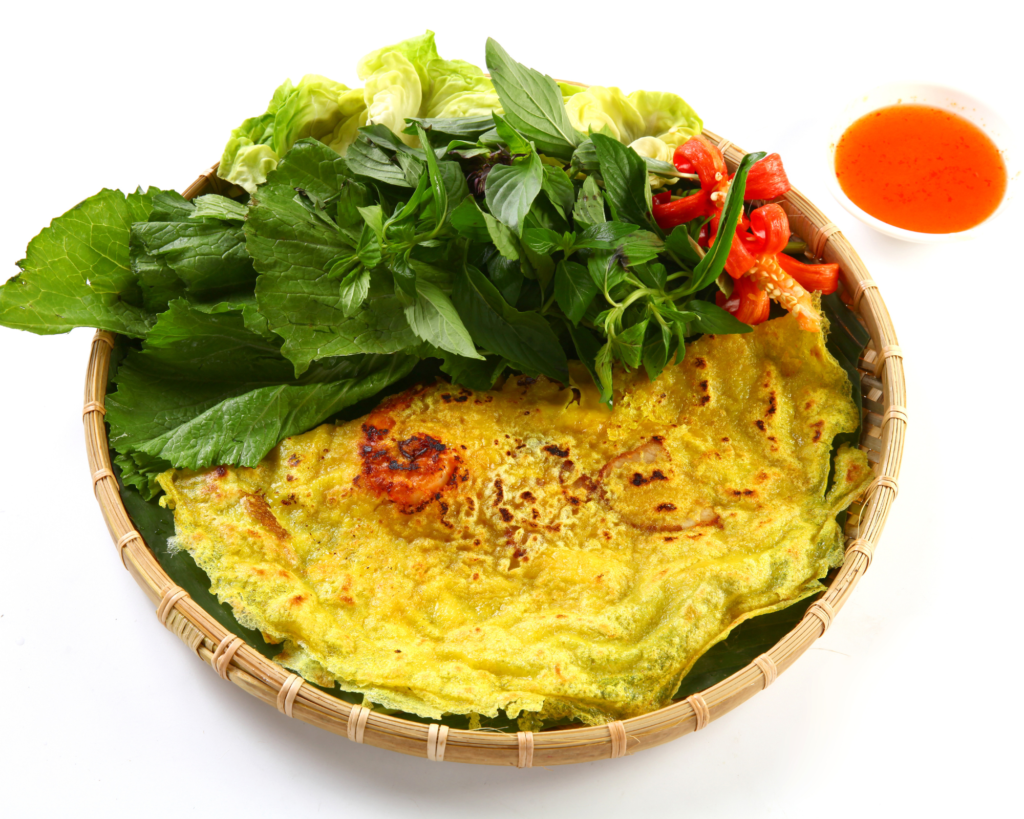
14. Bánh xèo Nam Bộ
What is it?
“Bánh xèo” is one of the most iconic dishes of Southern Vietnam, often described as a savory Vietnamese pancake or crepe. The name “xèo” comes from the sizzling sound it makes when the rice flour batter hits the hot pan with oil. Typically, it’s filled with pork, shrimp, and bean sprouts, then folded into a half-moon shape. The golden, crispy crust, lightly flavored with turmeric, is the signature feature of “bánh xèo”.
How to enjoy it?
Eating “bánh xèo” is a hands-on experience. You tear off a piece of the pancake, wrap it with lettuce and a mix of fresh greens such as fish mint, young mango leaves, hog plum leaves, etc, then dip it into a sweet-and-sour fish sauce. The contrast between the crunchy pancake, the refreshing greens, and the tangy dipping sauce makes it irresistible.
Fun facts / Cultural context
“Bánh xèo” isn’t just food – it’s a cultural gathering. Families and friends often cook it together, chatting around the pan as the pancakes sizzle. Today, it’s a must-try dish for travelers seeking authentic Vietnamese cuisine and culture.
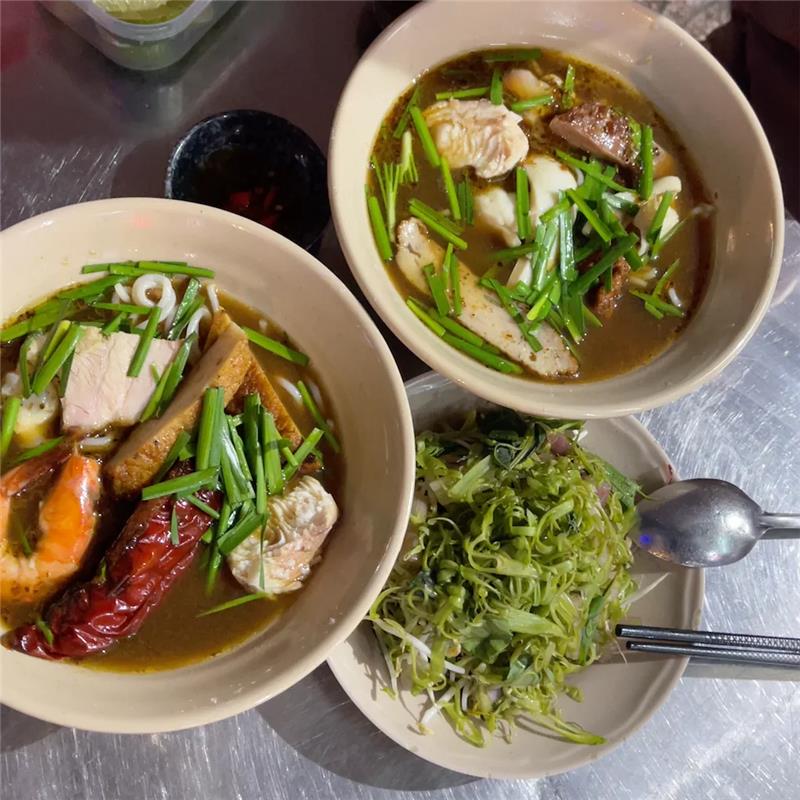
15. Bún mắm
What is it?
A fermented fish noodle soup with vegetables, seafood, or pork. Its strong umami aroma is a signature of Southern Mekong cuisine.
How to enjoy it?
Mix in shredded water spinach, water lily flowers, chives, bean sprouts, and chili to balance the pungency, then enjoy the rich, complex flavors with each bite.
Fun facts / Cultural context
“Bún mắm” represents the deep connection between Southern rivers and culinary culture, emphasizing bold flavors and local ingredients. Definitely a must-try Vietnamese dish for culinary explorers.
Tips to Enjoy Vietnamese Cuisine Like a Local
Always try local greens and condiments
Vietnamese dishes often come with a wide variety of fresh greens, from familiar herbs like cilantro, Thai basil, and perilla to unique local leaves such as Vietnamese coriander, fish mint, water spinach, young mango leaves, and banana blossom. Paired with condiments like fish sauce, chili, and lime, these herbs elevate each dish, creating vibrant, layered flavors that are truly authentic.
Respect table etiquette
Northern meals are subtle and balanced, while Southern meals are lively and communal. Observe local dining customs: don’t start eating before elders, and enjoy sharing dishes when appropriate.
Engage with street food vendors safely
Street food is safe if cooked hot. Engage with vendors, ask questions in Vietnamese, and observe preparation – this not only ensures safety but also enriches your cultural experience and understanding of local flavors. Sampling street food is also an excellent way to discover must-try Vietnamese dishes and understand what is typical Vietnamese food.
Final Thoughts – Is Vietnam Worth Visiting for Its Cuisine & Culture?
From “phở Hà Nội” to “bún mắm”, each dish tells a story of Vietnamese cuisine and Vietnamese culture. Vietnam’s culinary landscape is incredibly diverse, and beyond these 15 must-try dishes, there are countless regional specialties and hidden gems waiting to be discovered. Exploring what is typical Vietnamese food beyond these highlights will reveal even more surprises and flavors waiting to be discovered.
To fully immerse yourself, learning the language is invaluable. Knowing basic Vietnamese allows you to interact with locals, understand recipes, and appreciate subtle cultural nuances.
At VLS – Vietnamese Language Studies, you can learn practical Vietnamese for travel, ordering food, and connecting with locals. Embarking on this language journey elevates every meal and interaction in Vietnam into a memorable and immersive experience.

777jilipg is classic! Love the selection of Jili and PG games. Lots of familiar options, and that makes me happy. Give it a spin for sure! 777jilipg
87bet1, eh? Been bouncing around a few sites, might as well add another to the list. Anyone got any good experiences? Gotta chase them wins somehow. Check this out: 87bet1