Table of Contents
1. Why Many Viet Kieu Feel Disconnected From Their Roots
Viet Kieu (Overseas Vietnamese) refers to Vietnamese people who were born, raised, or have lived for a long time abroad, often maintaining cultural ties to Vietnam. For many Viet Kieu, growing up abroad means navigating two worlds at the same time. At home, parents try to preserve Vietnamese values: respect for elders, family-first mindset, subtle communication styles, and emotional warmth expressed through actions rather than words. But outside, you grow up in a completely different cultural framework — individualistic, direct, and often emotionally verbal. This creates a contrast that never fully disappears.

Many Viet Kieu say they feel “Vietnamese at home but foreign outside, and foreign in Vietnam too”. The identity gap becomes even more obvious when they return to Vietnam: cousins speak quickly, jokes rely on cultural context, and family conversations slip into slang or idioms that are impossible to catch without deep fluency. Even simple moments — sharing a meal, hearing inside jokes, or understanding why elders say certain things — can feel slightly out of reach.
And beneath all of that is a quiet pain point many people carry:
“I want to belong, but I don’t always understand enough to truly blend in”.
Language becomes the biggest barrier. Without Vietnamese, reconnecting with relatives feels surface-level. Cultural references are missed. Emotional conversations become transactional. And slowly, a subtle distance forms between who they are now and the roots they come from.
This is why, for many of them learning Vietnamese isn’t just about speaking a language, it’s about rebuilding a connection that should have never been lost.
2. How Learning Vietnamese Helps Viet Kieu Rebuild Identity and Emotional Connection
When you learn Vietnamese, you are not simply memorizing vocabulary or grammar rules. You’re reconnecting with a part of yourself that has always been there but never fully awakened.
You start to understand:
- Why your parents speak the way they do
- The emotional layers behind phrases that once sounded like “background noise”
- Cultural expectations that never quite translated into English
- Jokes or stories your family loves but you never fully got
Language is deeply emotional. When a Viet Kieu takes a structured Vietnamese lesson, it becomes a bridge between two identities that once felt disconnected. Suddenly, traditions feel more meaningful, family conversations feel more genuine, and cultural values feel less abstract.
Most importantly, learning the language helps you rebuild something many people quietly crave: a sense of belonging to the culture you came from.
3. Practical Ways for Viet Kieu to Start Learning Vietnamese Again
You don’t need to start from zero. As a Viet Kieu, you already have fragments of Vietnamese stored inside you — familiar sounds from childhood, phrases your parents repeated, or habits you absorbed without realizing. You’re not a beginner; you’re someone returning to a language that has always been yours.
Below are practical, proven ways to begin your journey in a sustainable, confidence-building way.
- Join classes designed specifically
Heritage learners aren’t like typical beginners. You probably understand more Vietnamese than you can say, and sometimes that gap feels frustrating. That’s why choosing the right Vietnamese lesson makes a huge difference.
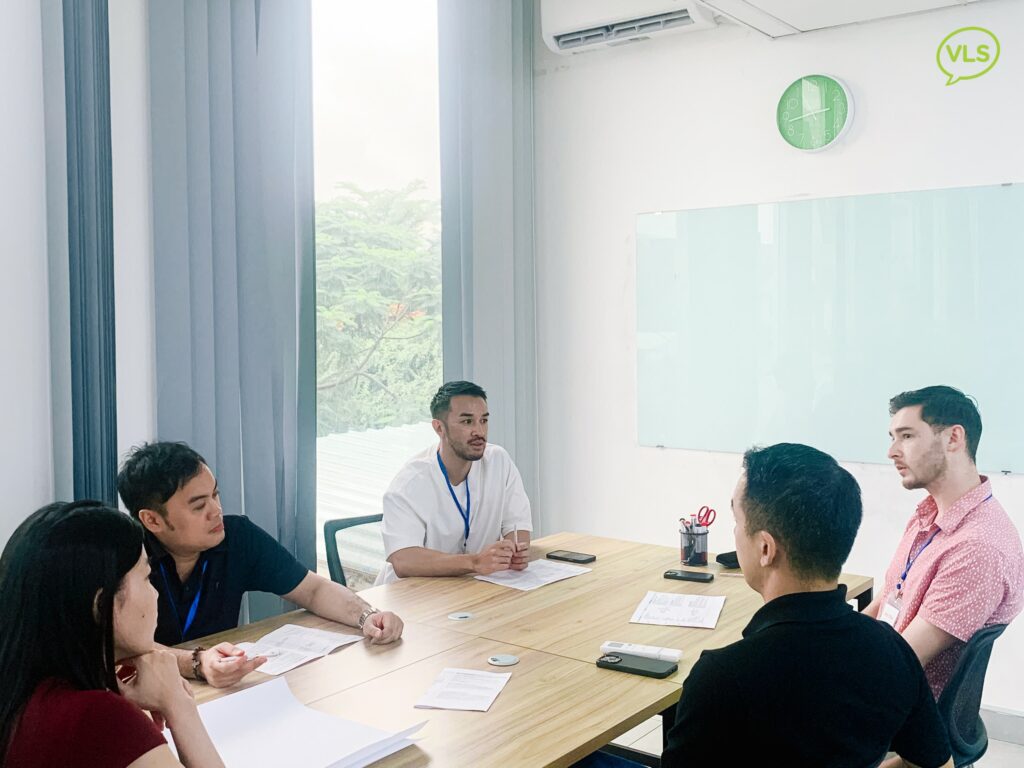
• Improve pronunciation and tones
Growing up outside Vietnam means you rarely heard the language spoken around you every day. You might understand words but struggle to say them naturally. A structured class helps you train your ear, learn tone patterns, and build muscle memory — the foundation for confident speaking.
• Rebuild grammar systematically
Heritage learners often pick up “family Vietnamese”, which is full of slang, regional variations, and sentence shortcuts. A proper course helps you build real grammar, so you can speak clearly with both family and strangers.
• Speak without fear of being judged
Many Viet Kieu are afraid of being teased for “broken Vietnamese”. But in a supportive class, speaking mistakes become learning opportunities — not embarrassment. Teachers who understand heritage learners will guide you with empathy.
• Activate the Vietnamese you already know
You may not realize how much passive knowledge you have. Structured practice turns that quiet understanding into active speaking ability — something you can finally use in real life.
And if you want faster progress, you can learn Vietnamese in Ho Chi Minh City, where everyday conversations, ordering food, greeting people, chatting with drivers, turn into effortless practice moments.
- Learn Vietnamese through culture
Language becomes easier when it’s tied to emotions, hobbies, and entertainment. Cultural immersion is a gentle but powerful way to learn Vietnamese without pressure.
• Watch Vietnamese dramas, comedies, or talk shows
Hearing natural speech patterns helps you absorb tone rhythm, sentence flow, and everyday expressions. Plus, you learn cultural humor — something many people want to reconnect with.
• Follow Vietnamese creators on social media
TikTok, YouTube, and Instagram are gold mines for slang, trends, and real-life speech. You get short, digestible content that fits into daily life.
• Listen to V-pop, folk songs, or ballads
Music makes vocabulary stick. Many people rediscover emotions through lyrics, especially songs about family, home, and love — themes deeply rooted in Vietnamese culture.
• Explore documentaries about history or food
These help you understand the cultural values and historical context behind everyday Vietnamese habits. Context builds understanding. Understanding builds confidence. Culture makes the language meaningful. Language brings the culture to life.
- Practice through real conversations
Practice doesn’t need to be perfect or formal. Start small, consistent, and low-pressure.
• Text your parents or grandparents in Vietnamese
Even mixing English and Vietnamese is fine. Every message helps you get familiar with forming sentences and using vocabulary you already know.
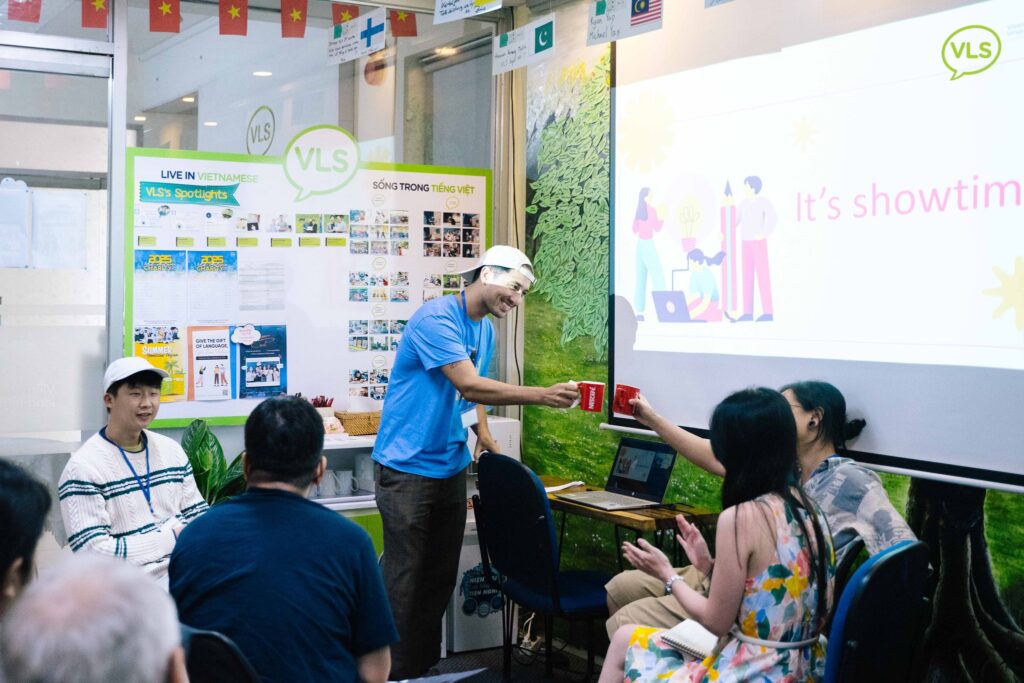
• Join Viet Kieu community groups
Talking to people who share the same identity and struggles creates a safe space to practice. You won’t feel judged or “not Vietnamese enough”.
• Exchange voice messages with friends or relatives in Vietnam
Voice messages feel less stressful than live calls. You can replay, understand tone, and improve your pronunciation over time.
• Practice at Vietnamese restaurants, markets, or cultural events
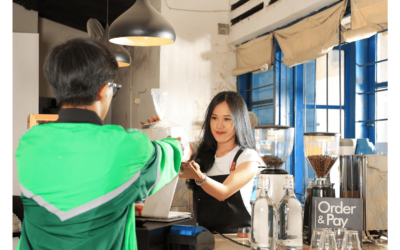
A simple “Cho em một ly cà phê sữa đá” or “Chị ơi, tính tiền giúp em” slowly builds speaking confidence. Daily situations are the best training ground.
The more you speak, the more natural everything becomes.
- Connect through daily-life immersion
Even if you don’t live in Vietnam, you can build Vietnamese habits that make the language feel present and natural.
• Cook Vietnamese dishes
When you follow recipes in Vietnamese or ask your parents for instructions, you’re not just learning vocabulary — you’re creating emotional memories tied to the language.
• Celebrate Vietnamese traditional festivals
Participating in cultural traditions gives you opportunities to learn greetings, customs, and symbolic meanings. These cultural anchors make vocabulary easier to remember.
• Learn Vietnamese calligraphy, crafts, or folk traditions
Activities like writing Vietnamese calligraphy, making lanterns, or learning folk songs expose you to cultural vocabulary and deepen your sense of identity.
Every cultural activity strengthens both:
✅ Your connection to your heritage
✅ Your progress in Vietnamese
4. Why VLS Is an Ideal Partner for Viet Kieu Reconnecting With Their Roots
If you’re a Viet Kieu taking the first step toward your roots, you deserve a place that understands your emotional journey — not just your grammar needs.
At VLS, programs are designed with heritage learners in mind:
- Methods tailored specifically for Viet Kieu
- Warm, supportive teachers who understand cultural identity challenges
- Courses that combine language, family communication patterns, and culture
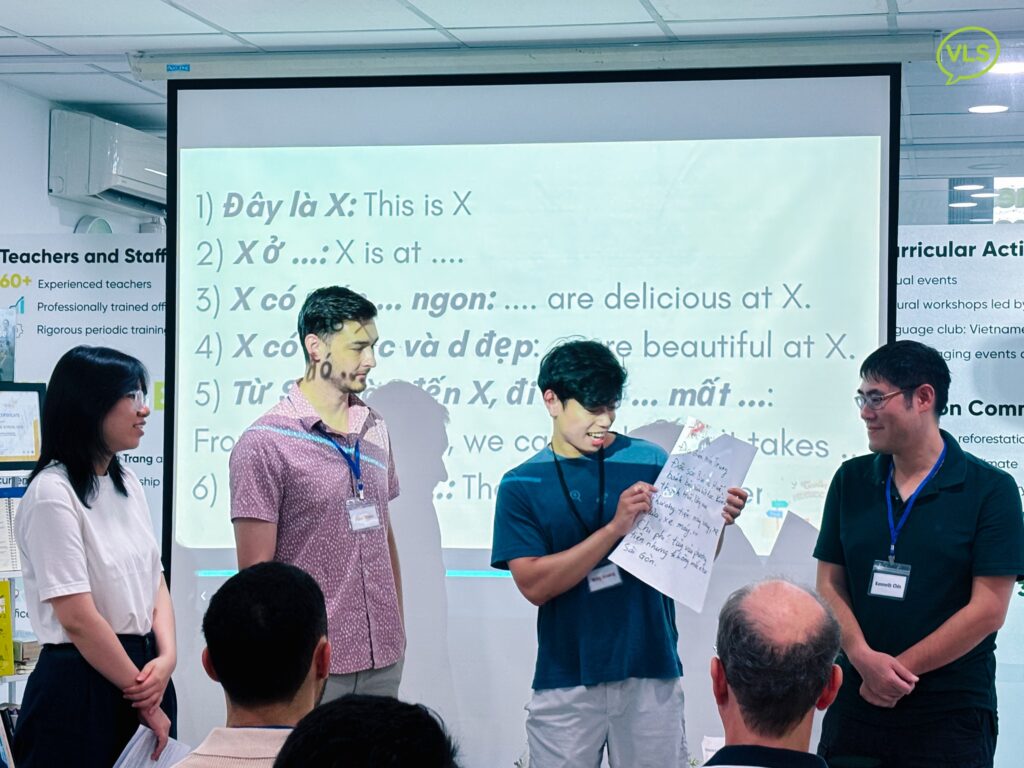
- A comfortable environment to learn Vietnamese without judgment
Whether you take online classes or learn Vietnamese in Ho Chi Minh City, VLS helps you speak confidently, understand your family more deeply, and reconnect with your Vietnamese identity at your own pace. This isn’t just a language journey. It’s a homecoming.


Gave 68gbbet a try. The interface is pretty sleek and easy to get around. Good option if you like to change things up: 68gbbet!
Star777bet’s got a cool name! Just wondering if anyone had a good experience with them? Good bonuses? Let me know! I’m looking for a new place to play. Explore it here: star777bet