Table of Contents
Introduction
Have you ever wondered what it’s like when a whole region turns into a sea of water – not because of disaster, but as part of nature’s rhythm? That’s exactly what happens during the flood season in the Mekong Delta Vietnam.
In this season, the mighty Mekong River overflows, flooding rice fields, villages, and forests. Instead of panic, locals welcome the season with open arms. It’s a time of abundance, when the water brings fish, crabs, and flowers – transforming the Mekong Delta Vietnam into one of the most photogenic and wonderful places in Vietnam.
In this guide, you’ll explore:
- What the flood season is and why you should visit.
- The most exciting activities to try.
- Seasonal food specialties that count as must-try Vietnamese food.
- Practical Vietnam travel tips to make your journey safe and unforgettable.
Flood Season in the Mekong Delta: What It Is and Why You Should Visit
The Mekong River is one of the great rivers of the world. Originating in the Tibetan Plateau, it travels through six countries — China, Myanmar, Laos, Thailand, Cambodia, and finally Vietnam — before emptying into the East Sea. Stretching about 4,350 kilometers, it ranks among the longest rivers on earth.
In Vietnam, the Mekong River runs for about 220 kilometers and divides into nine branches, often called the “Nine Dragons,” forming the fertile Mekong Delta Vietnam. This delta is often referred to as the country’s “rice bowl.” Home to more than 17.5 million people, the region produces over 50% of Vietnam’s rice output and is famous for its lush landscapes, floating markets, and abundant waterways.
From September to November, the region experiences its annual flood season, when water from the Mekong River overflows into rice fields and lowland areas.
While “flood” may sound alarming, locals see it as a blessing. Known as the “mùa nước nổi” in Vietnamese, this period brings:
- Fertile silt that nourishes the land.
- A bumper catch of fish, crabs, and shrimp.
- Unique foods like fish hotpots and flower-based dishes.
- Scenic beauty that you won’t find in the dry season.
For you as a traveler, this means the chance to witness authentic local life, join boat tours through submerged forests, and experience the Delta at its most lively.
Wonderful Experiences During the Floods
Boat Trips Through Flooded Landscapes
During the flood season, the Mekong Delta Vietnam transforms into a watery world where boats replace motorbikes as the main way to get around. Imagine yourself gliding slowly across fields that look like endless lakes. The water is calm, reflecting the sky and clouds, and the only sounds you hear are the paddles dipping into the water and the occasional call of a bird.
One of the most popular boat tours is in Trà Sư Cajuput Forest in An Giang Province. Here, waterways are covered in a thick green layer of duckweed, creating a surreal scene that looks like a painting. Local guides, often wearing traditional conical hats, skillfully row you through narrow channels lined with tall cajuput trees. Many travelers say this feels like stepping into another world – peaceful, green, and magical.
Floating Markets Full of Life
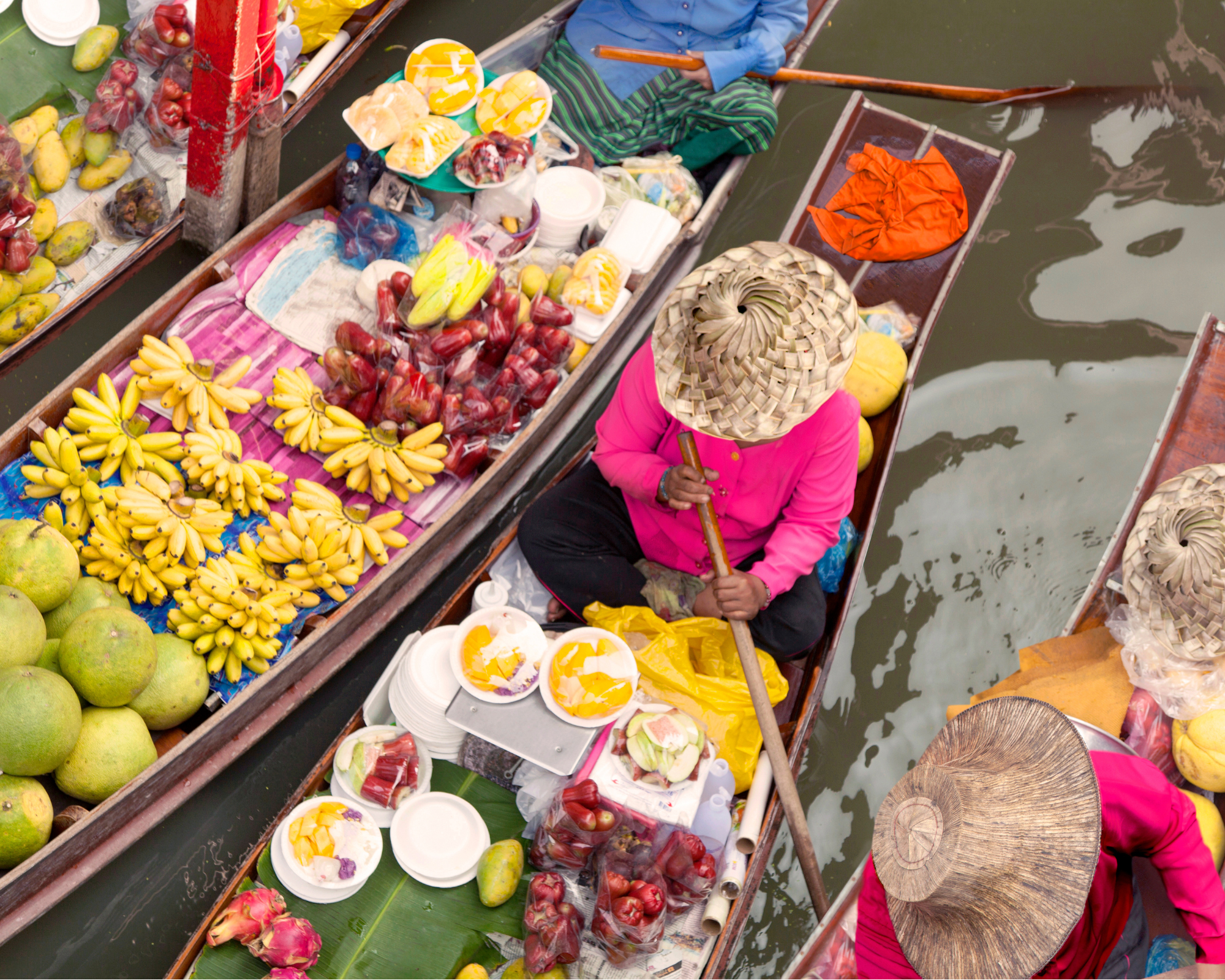
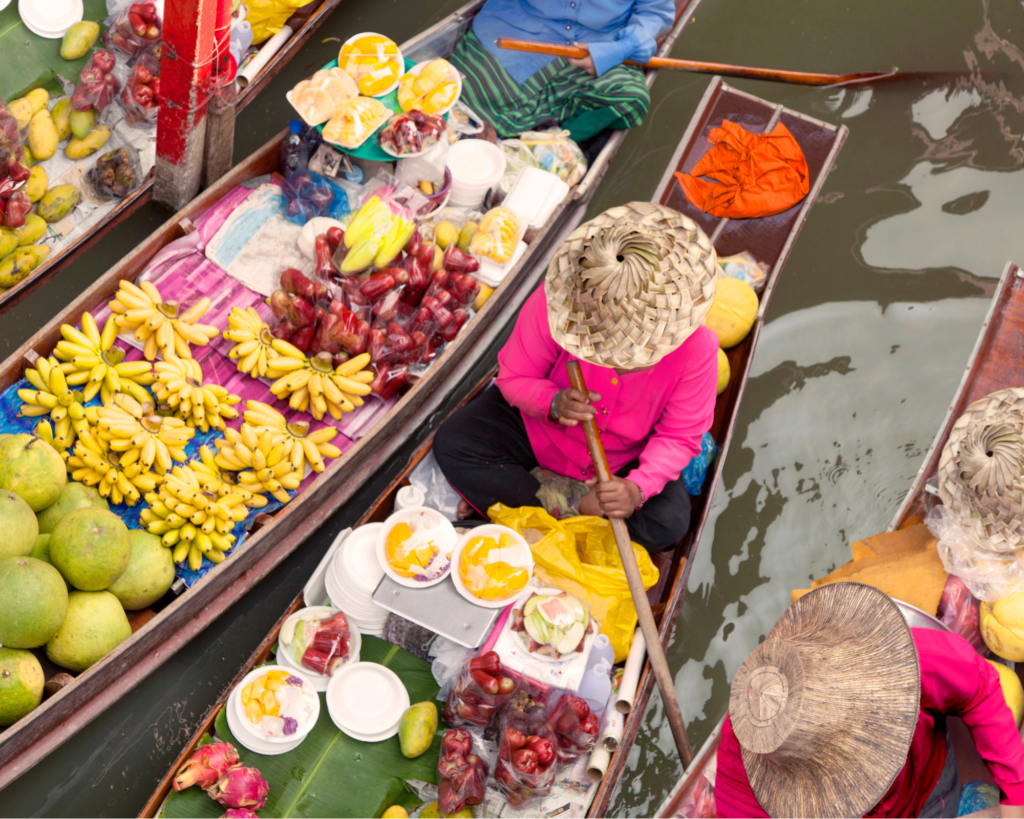
The floating markets are the beating heart of the Mekong Delta Vietnam, and they’re at their most vibrant during flood season. At Cái Răng Floating Market in Cần Thơ, boats loaded with pineapples, bananas, mangos, and freshly caught fish gather as early as 5 AM. Each vendor hangs a sample of their products on a tall bamboo pole (cây bẹo) so you know what’s for sale from a distance.
For you, this is not just a shopping experience – it’s a chance to interact with locals in the most authentic way. Have a bowl of noodle soup (hủ tiếu) served directly from a cooking pot on a boat, sip strong Vietnamese iced coffee, and watch the sun rise over the river.
Other smaller markets like Phong Điền, Ngã Năm or Cái Bè offer a less touristy vibe, where you’ll mostly see locals trading. It feels like stepping into a living museum of river culture.
Bird Watching and Eco-Tours
Floodwaters attract countless fish and, in turn, thousands of birds. Wetlands like Tràm Chim National Park (Đồng Tháp Province) become sanctuaries for over 230 bird species, including the rare Sarus crane. Eco-tours allow you to quietly paddle through lotus ponds and reeds, spotting storks, herons, and egrets in their natural habitat.
For photography lovers, this is heaven. Early morning or late afternoon are the best times for birdwatching when the light is soft, and the birds are most active. Some tours also include overnight homestays with local families, giving you a full immersion into the Delta’s ecology and hospitality.
Buffalo Herding and Duck Farming In The Flood Season
Not all activities in the Mekong Delta Vietnam during the flood season are meant for tourists, but some are so unique that they reflect the spirit of local life. Two of them are buffalo herding in flooded fields (mùa len trâu) and free-range duck farming (chăn vịt chạy đồng).
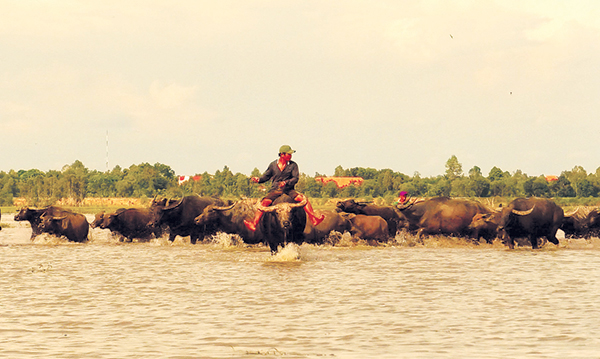
When the waters rise, farmers release their water buffalo to graze and swim across the vast flooded plains. This seasonal herding is not only practical — giving the buffalo fresh grasses — but also an iconic image of resilience and harmony with nature. Meanwhile, thousands of ducks are guided across the fields, feeding on leftover grains and snails. It’s an ingenious farming practice that turns the challenges of floods into opportunities.
While these are not “tourist activities” in the traditional sense, seeing herds of buffalo moving through the water or flocks of ducks stretching across the horizon leaves a lasting impression. They reveal another layer of the Mekong Delta — one where human livelihood adapts beautifully to nature’s rhythm.
Must-Try Vietnamese Food in the Flood Season
When you visit the Mekong Delta Vietnam during the flood season, food becomes one of the most authentic ways to experience local culture. Unlike typical tourist destinations, here you get to taste dishes that only appear for a short time of the year. The specialties are deeply tied to the floods, showing how nature shapes the cuisine and lifestyle of the Mekong people.
Cá linh (siamese mud carp)
Known as the “messenger of the flood season,” cá linh arrives with the rising waters of the Mekong. Small, tender, and packed with flavor, this seasonal fish can be turned into countless dishes. From soups and hotpots to fried or braised recipes, locals make full use of this gift from nature. Eating cá linh is not just about the taste – it’s about experiencing a living tradition that marks the arrival of high water.
Bông điên điển (sesbania flower)
This bright yellow flower blossoms only during the flood months, adding a special color to both the landscape and the dinner table. Crunchy with a subtle sourness, bông điên điển is incredibly versatile: you’ll find it in hotpots, stir-fries, or even as a fresh salad ingredient. It’s a must-try seasonal delicacy that locals look forward to every year.
Cua đồng (field crabs)
As fields flood, villagers catch cua đồng, a rustic ingredient that turns into flavorful meals. Whether ground into crab paste for soups, fried into crispy bites, or mixed with local herbs, cua đồng represents the creativity of Mekong Delta cooking. Every bite reflects the balance between simplicity and richness.
Chuột đồng (rice field rat)
For the adventurous foodie, chuột đồng is perhaps the most surprising specialty. Far from what its name might suggest, these rats live in clean rice fields and feed on grains, making their meat lean and tasty. Locals have endless ways to prepare them – roasting, grilling, or stir-frying with spices. Trying chuột đồng is like tasting a truly authentic side of Mekong Delta life.
What makes these specialties remarkable is not just their flavors, but the seasonal nature of the ingredients. Each product of the flood season can be cooked in multiple ways, meaning that no two meals are ever the same. If you’re searching for must-try Vietnamese food, the flood season in the Mekong Delta is your chance to enjoy a culinary experience you won’t find anywhere else.
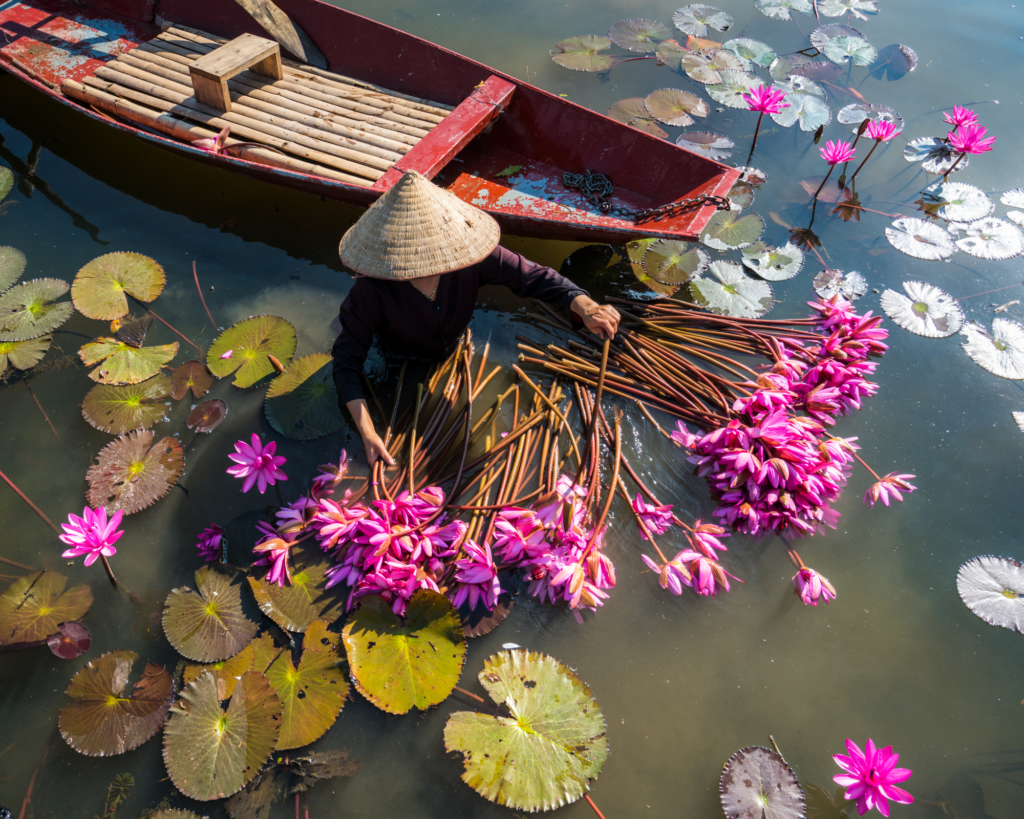
Bông súng (water lilies)
During the flood season in the Mekong Delta Vietnam, bông súng grows abundantly in flooded fields and becomes a signature vegetable. With its crunchy, juicy texture and mild sweetness, it’s considered one of the must-try Vietnamese foods.
Locals enjoy it in many ways: eaten raw with fermented fish sauce, cooked in sour soups, added to hotpots, or mixed into salads. For travelers wondering what to eat in Vietnam beyond the famous phở or bánh mì, water lilies offer a refreshing taste of authentic Mekong cuisine.
Hẹ nước (water dropwort)
Hẹ nước is a humble aquatic vegetable that appears naturally when the Mekong Delta floods. Its light and crisp flavor makes it a favorite seasonal side dish. Locals often enjoy it raw with braised pork, fermented fish hotpot, or even steamed fermented fish (mắm chưng) — a rustic yet delicious combination that highlights the essence of Mekong cuisine.
This simple ingredient turns into an unforgettable taste of the best Vietnamese food in the Mekong Delta. Though lesser-known among tourists, water dropwort is a hidden gem that showcases how local people transform nature’s gifts during the flood season.
Vietnam Travel Tips for the Flood Season
Traveling to the Mekong Delta Vietnam, during the flood season can be a magical experience – but it’s worth preparing well so your trip is both safe and enjoyable. Here are some essential travel tips for you:
1. Best time to visit
The flood season usually starts from September to November. Early floods (September–October) are considered the best time to visit, when the water is high enough to explore by boat but not too extreme. During these months, floating markets are lively, and food specialties are at their peak.
2. What to pack
Even though the weather is generally warm, sudden rains are common. You can bring:
- Lightweight raincoat or poncho.
- Comfortable sandals or waterproof shoes.
- Mosquito repellent.
- A good camera – you’ll want to capture the unique landscapes.
3. Getting around
Boats are the best way to explore flooded areas. Many villages and markets are only accessible by water during this season, making boat trips both a necessity and a highlight. Local guides often provide authentic tours where you can visit houses on stilts, fish farms, or lotus ponds.
4. Safety and comfort
Floods are natural here, and locals know how to live with them. Still, it’s smart to:
- Stick to guided tours for safe navigation.
- Avoid venturing into strong currents or deep water if you’re not an experienced swimmer.
- Follow local advice – people here are friendly and happy to guide you.
5. Choose local tours for authentic experiences
Instead of big commercial trips, choose smaller community-based tours. They not only offer authentic activities – like fishing with locals or cooking flood-season dishes – but also directly support local families.
Following these Vietnam travel tips will help you make the most of your trip, ensuring you enjoy the Mekong Delta’s beauty while staying comfortable and safe.
Conclusion
The flood season in the Mekong Delta Vietnam is more than just a natural phenomenon – it’s a way of life. If you’re looking for must-try Vietnamese food, unique landscapes, and cultural encounters, this is the season to visit. From colorful floating markets to seasonal specialties like cá linh and hẹ nước, every experience connects you to the culture and resilience of the people who live here.
With the right Vietnam travel tips, you’ll not only see the Mekong Delta at its most vibrant but also feel a deeper connection to Vietnam itself. Come in the floods, hop on a boat, taste the seasonal dishes, and let the Mekong show you why this part of Vietnam is unforgettable*.
And if you take a step further to learn the Vietnamese language, you’ll find even more doors opening – allowing you to connect with locals on a deeper level and truly understand the beauty of Vietnamese culture.
Ready to experience Vietnam more deeply? Start learning Vietnamese with VLS and open the door to authentic connections.
* It’s worth noting that in recent years the flood season has changed. Upstream interventions on the Mekong have shifted natural rhythms, sometimes bringing less water, later floods, or shorter inundations than in the past. Your experience may not always mirror the poetic images described, but that in itself is part of the story — seeing how the Delta gracefully adapts with each passing season.
https://shorturl.fm/cN1M5
Been checking out 7p777 for a bit now, and it’s alright. Standard stuff, nothing that’ll blow your mind but it’s a decent way to pass the time. Check it out if you’re bored 7p777
If you like TV this might be the only place to stream and play at the same time! Hehe. I do like their website and they seem to know how to make this experience fun! 88tvn rocks! 88tvn