
Ho Chi Minh City, commonly known as Saigon, is a vibrant metropolis where the old meets the new in an intriguing blend of cultures. It’s often the first or last destination when traveling to Vietnam, offering travelers a tantalizing introduction to the country’s culinary and cultural landscape. The streets of Saigon are brimming with energy, and for food lovers, it’s a paradise. Everywhere you turn, there are bustling food stalls, vibrant pushcarts, and street vendors offering a variety of dishes, from traditional Vietnamese specialties to fusion creations. The city is known for its delicious, affordable street food, making it a must-visit for anyone wanting to taste the various essences of Vietnamese cuisine.
In addition to the iconic pho, there are countless other dishes that reflect the soul of this dynamic city. The best part? Exploring Saigon’s food scene is an enjoyable and tasty way to immerse yourself in the Vietnamese language and culture.
Table of Contents
Saigon Cuisine: A Gateway to Understanding Vietnamese Culture
Food in Saigon is more than just sustenance—it’s an expression of history, culture, and the Vietnamese way of life. Every dish tells a story, and every bite offers a chance to learn more about the country’s traditions and values. The act of ordering food, interacting with vendors, and understanding local dining etiquette provides a unique language lesson, one that goes beyond words. Whether you’re ordering a bánh mì sandwich or savoring a bowl of cơm tấm, each meal brings you closer to understanding the rhythm of life in Saigon.
The food culture in Ho Chi Minh City is deeply rooted in history. The culinary traditions of the southern region of Vietnam have been influenced by a blend of indigenous Vietnamese ingredients and foreign culinary techniques introduced by traders and colonizers over the centuries. Saigon’s food scene offers a window into the city’s multicultural heritage, with dishes inspired by Chinese, French, and Cambodian cuisine.
Explore Saigon Cuisine: Top 7 Must-Try Dishes
While pho is undoubtedly the most famous Vietnamese dish worldwide, Saigon offers a host of other delicious, lesser-known dishes that are just as deserving of attention. If you’re planning to visit Saigon, here are seven must-try dishes that will give you a deeper understanding of the city’s diverse culinary landscape:
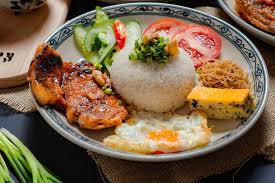
Cơm Tấm: Known as “broken rice,” this dish is a Saigon staple. It’s typically served with grilled pork, but variations include chicken or seafood. The tender rice is complemented by a range of sides such as pickled vegetables, fried egg, and a sweet-salty dipping sauce known as “nước mắm.”
Source: collected
Bánh Mì: A delicious fusion of French and Vietnamese influences, bánh mì is a crunchy baguette stuffed with a variety of fillings, including meats, vegetables, pickles, and condiments. Whether it’s breakfast or lunch, this handheld sandwich is a Saigon favorite.

Source: collected
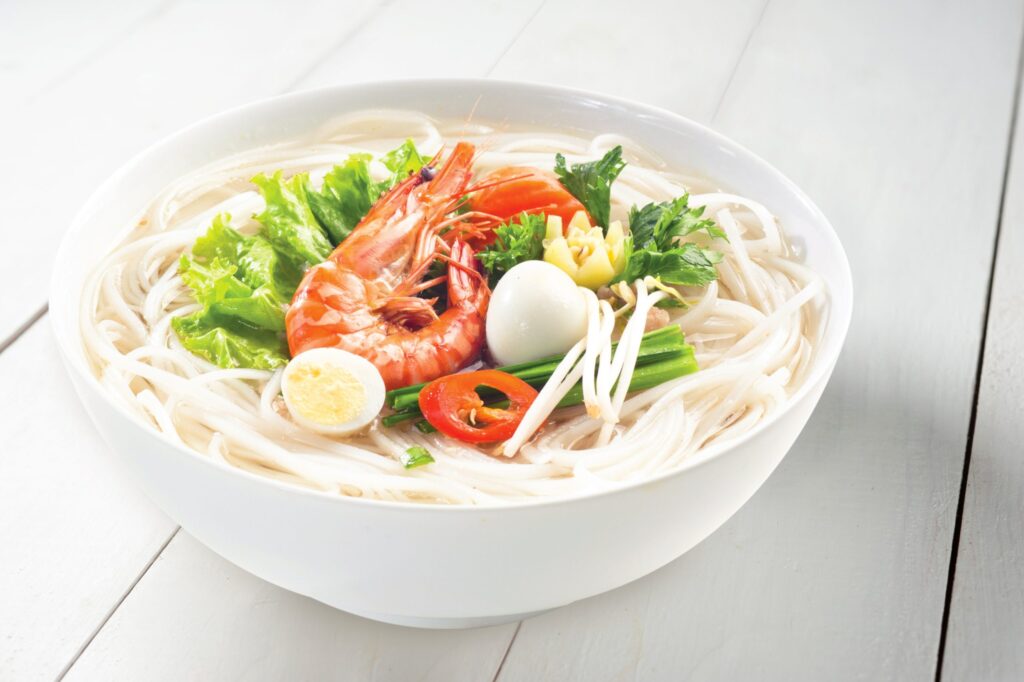
Hủ Tiếu: This noodle dish, popular in southern Vietnam, features a delicate broth paired with rice noodles, pork, and shrimp. It’s often served with a side of fresh herbs and lime to enhance the flavor, making it a versatile and flavorful dish.
Source: collected
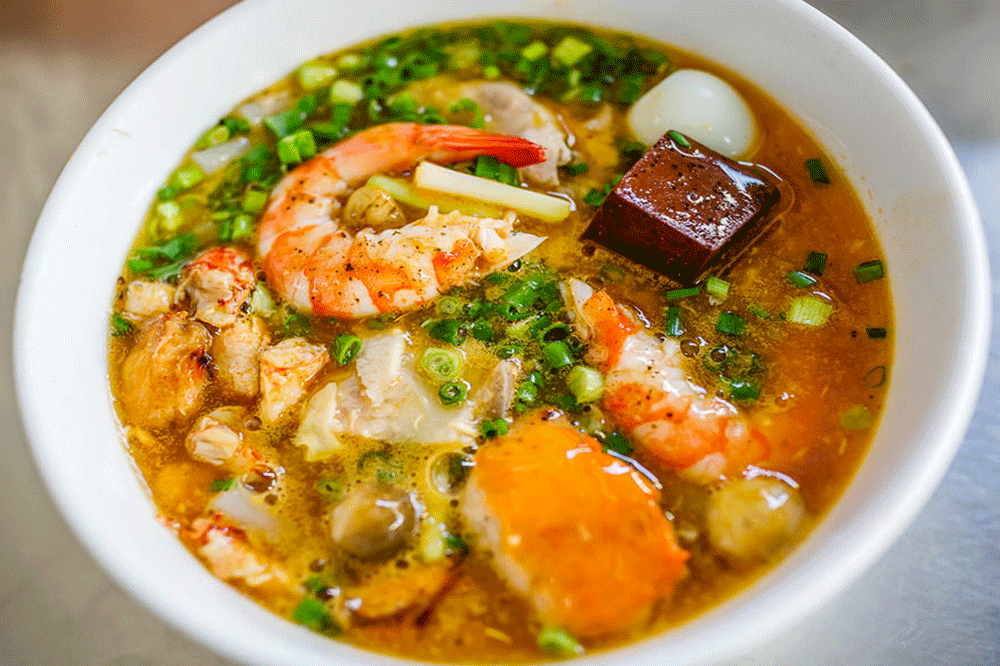
Bánh Canh: A hearty noodle soup made with thick tapioca or rice noodles, bánh canh is served in a flavorful broth, often with crab or pork. It’s a beloved dish in Saigon’s food scene, offering a rich and comforting experience.
Source: collected
Bún Thịt Nướng: A delightful mix of vermicelli noodles, grilled pork (often pork skewers), fresh herbs, lettuce, and peanuts, bún thịt nướng is a savory and refreshing dish. The combination of textures and flavors creates a mouthwatering experience, making it a must-try street food.
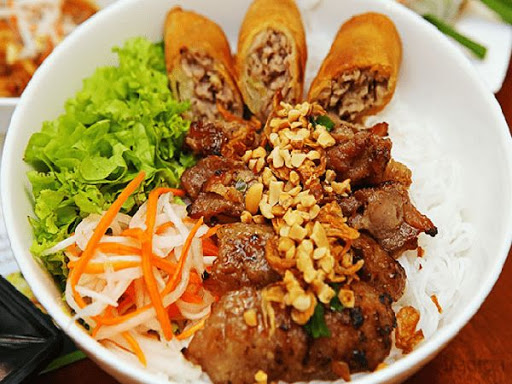
Source: collected
Bánh Cuốn: These steamed rice rolls are filled with ground pork, mushrooms, and fried shallots, and are typically served with a side of nước chấm (dipping sauce) and fresh herbs. Light and savory, bánh cuốn is a perfect breakfast or lunch dish.
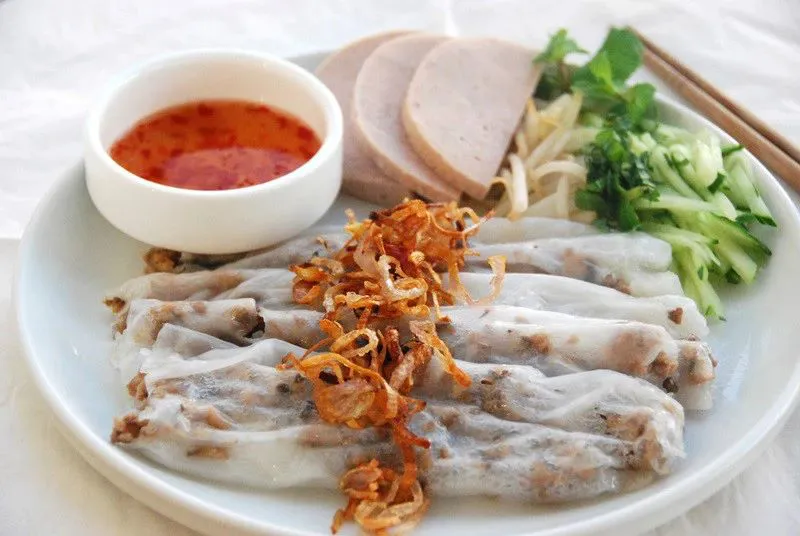
Source: collected
Bánh Xèo: Often referred to as Vietnamese pancakes, bánh xèo are crispy crepes filled with shrimp, pork, bean sprouts, and mushrooms. These savory treats are typically served with lettuce and herbs to wrap them up, creating a tasty and interactive dining experience.
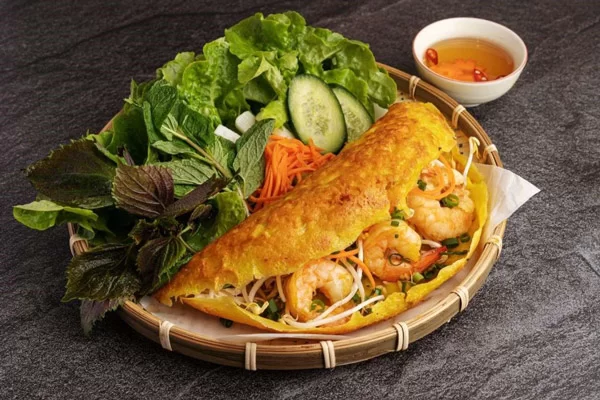
Source: collected
Some Signature Snacks of Saigon
Saigon is also home to a wide variety of snacks that make for a delicious afternoon treat or light meal. These snacks capture the essence of the city’s food culture, offering flavors that range from spicy and tangy to sweet and savory. Some of the most popular snacks include:
- Bánh Tráng Trộn: A spicy, tangy snack made from shredded bánh tráng mixed with herbs, peanuts, chili sauce, and dried beef or shrimp.
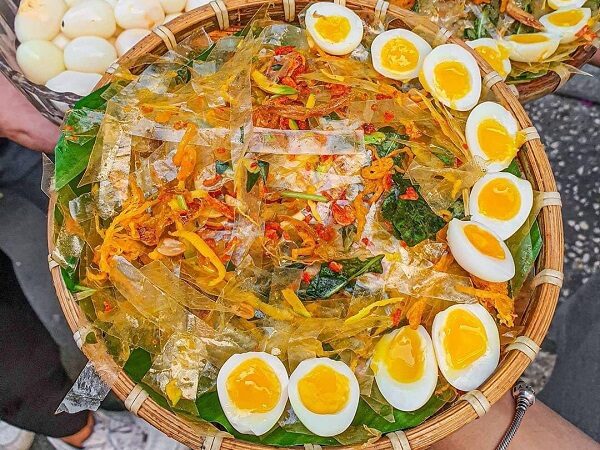
Source: collected
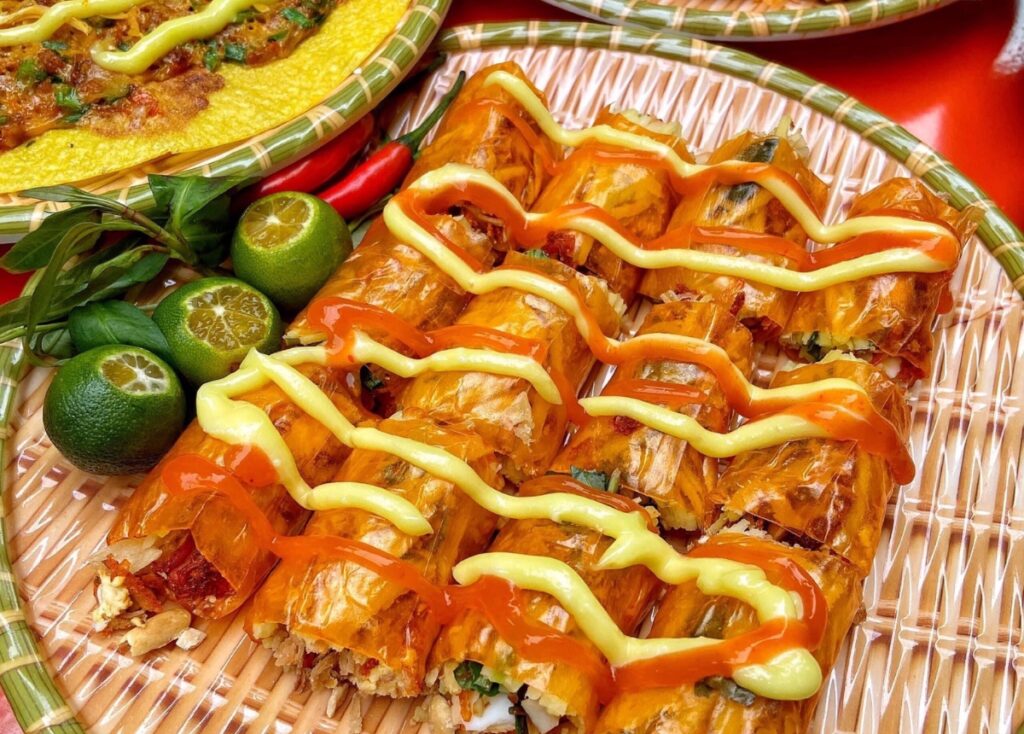
Bánh Tráng Cuốn: Rice paper rolls filled with fresh vegetables, herbs, and either shrimp or pork. These rolls are often dipped in a savory peanut or fish sauce.
Source: collected
Bánh Tráng Nướng: Grilled rice paper topped with various ingredients like egg, sausage, and chili, creating a crispy, delicious snack.

Source: collected
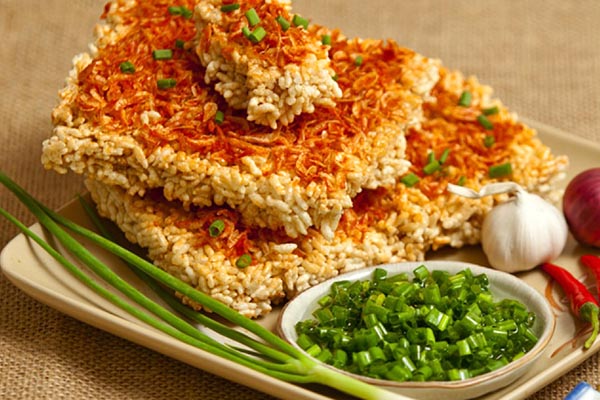
Cơm Cháy: Fried rice crusts served with a range of toppings, including pickled vegetables, pork, and dipping sauces.
Source: collected
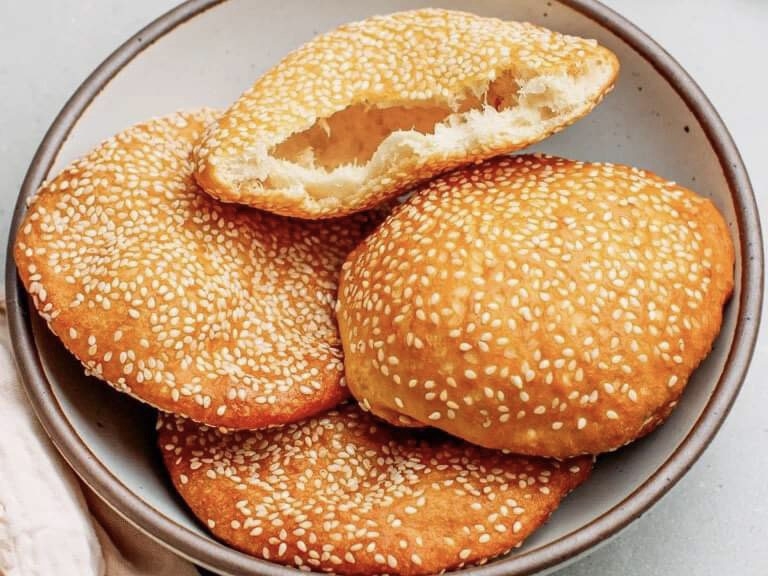
Bánh Tiêu: A type of fried doughnut filled with sweetened mung bean paste. It’s a perfect combination of crispy and sweet.
Source: collected
Useful Vietnamese Phrases for Ordering and Expressing Your Food Experience
One of the best ways to immerse yourself in Saigon’s food culture is by learning a few basic Vietnamese phrases to help you navigate local food markets, street vendors, and restaurants. Not only will this make your dining experience smoother, but it also enhances your connection with the locals. Whether you’re ordering a plate of cơm tấm or expressing how much you love a dish, knowing these key phrases can make your food journey even more enjoyable.
Ordering Food in Vietnamese
- “Anh/Chị ơi cho em …” – Excuse me, can I have …
This polite phrase is perfect for getting the attention of a vendor or waiter when you want to order food. You simply add what you’d like after the phrase, such as “Anh/Chị ơi cho em một cái bánh mì” (Excuse me, can I have a bánh mì?) or “Anh/Chị ơi cho em một tô phở” (Excuse me, can I have a bowl of pho?). - “Cái này bao nhiêu tiền?” – How much is this?
When you’re ready to pay for your meal or snack, simply ask, “Cái này bao nhiêu tiền?” to inquire about the price. This is an essential phrase for any food lover traveling in Saigon’s lively street food scene. - “Cho em một phần …” – Give me one portion of …
This phrase can be used to order a specific portion of a dish. For example, “Cho em một phần bún thịt nướng” (Give me one portion of bún thịt nướng). - “Có thể cho em thêm … không?” – Can I have some more …?
If you’d like to add something extra to your order, such as more herbs or chili, you can use this phrase. For example, “Có thể cho em thêm rau sống không?” (Can I have some more fresh herbs?) - “Cho em một ly nước …” – Can I have a glass of …?
If you need a drink to go with your meal, ask for it by using this phrase. For example, “Cho em một ly nước mía” (Can I have a glass of sugarcane juice?) or “Cho em một ly trà đá” (Can I have a glass of iced tea?).
>>> Learn more about how to ask for more when ordering food: Learn Vietnamese With Skits: Cho – Cho Thêm | Ordering/Buying Food
Expressing Your Feelings About Food
After tasting a dish, it’s common to express your opinions about the flavors and textures. Here are a few helpful phrases you can use to describe the food you’re trying:
- “Ngon quá!” – It’s so delicious!
This is the go-to phrase for when you’re enjoying a meal. It shows appreciation for the dish and is sure to please the chef or vendor. You can say this after tasting something flavorful like bún thịt nướng or bánh xèo. - “Cay quá!” – It’s too spicy!
Vietnamese cuisine is often known for its spicy kick, especially in dishes like bún mắm or bánh tráng trộn. If the food is too spicy for your taste, you can say this phrase to express that the heat is a bit much. - “Mặn quá!” – It’s too salty!
Sometimes, dishes may come with a stronger-than-expected salty flavor, particularly in the dipping sauces. Use this phrase to comment on an overly salty dish. For example, “Bánh cuốn này mặn quá!” (This bánh cuốn is too salty!) - “Ngọt quá!” – It’s too sweet!
Some desserts or drinks, like chè or bánh tiêu, might be a little too sweet for some people. You can use this phrase to describe a dish that’s on the sweeter side. - “Chua quá!” – It’s too sour!
Some dishes, particularly those with tamarind or lime-based flavors, can have a tangy sourness. If you find a dish a bit too sour for your liking, you can use this phrase.
Ordering Food with Specific Preferences
- “Ít cay” – Less spicy
If you prefer a dish with less spice, you can politely ask for it by saying, “Anh/Chị ơi, cho em … ít cay nhé” (Excuse me, can I have … less spicy?). This is especially useful for dishes that tend to be very spicy, like bún mắm or bánh tráng trộn.
Example: Anh ơi, cho em một tô bún mắm ít cay nhé! (Excuse me, can I have a bowl of less spicy bún mắm?)
- “Ít ngọt” – Less sweet
When ordering something that’s too sweet for your liking, such as a dessert or a drink, you can say, “Cho em … ít ngọt nhé” (Can I have … less sweet?). This will help tone down the sweetness in dishes like chè or a sweetened iced tea.
Example: Chị ơi, cho em một ly trà sữa ít ngọt nhé! (Excuse me, can I have a glass of less sweet milk tea?)
- “Không hành” – No onions
If you’re not fond of onions or want to avoid them, you can use this phrase: “Cho em … không hành nhé” (Can I have … without onions?). This can be useful for dishes like phở or bún thịt nướng that might include onions as a topping.
Example: Chị ơi, cho em một tô phở không hành nhé! (Excuse me, can I have a bowl of phở without onions?)
>>> Learn more Survival Vietnamese with VLS: Survival Vietnamese Language for Travelers
Learning About Vietnamese Culture and Language with VLS Culture & Mentality Course

For those who wish to delve deeper into the heart of Saigon and the broader Vietnamese culture, there’s no better way than enrolling in a course that combines language learning with cultural immersion. The Vietnamese Culture & Mentality Course offers students the chance to not only learn the language but also gain a deeper understanding of the country’s rich traditions, history, and social values.
The course is designed to offer both theoretical knowledge and practical experiences. It consists of 6 hours of in-class lectures and 4 hours of field trips, where students explore the cultural landmarks and food hotspots of the city. Throughout the course, students will learn about Vietnamese customs, family structures, religion, and art—knowledge that will enhance their appreciation of the food they taste and the people they meet.
>>> Sign up now to explore more Vietnamese Language & Culture with VLS: Culture Mentality – VLStudies
A Journey Through Saigon Cuisine
Saigon’s cuisine offers more than just mouthwatering flavors; it offers a journey through history, culture, and language. Whether you’re savoring a bowl of hủ tiếu on a bustling street corner or enjoying bánh mì at a local café, each meal provides a deeper connection to the heart of Saigon. By indulging in Saigon’s street food scene, you not only discover the diverse flavors of the region but also gain valuable insights into the culture and traditions that shape the city.
So, the next time you’re in Saigon, take a moment to slow down, explore the food stalls, and savor each dish. It’s not just about eating—it’s about connecting with the people, language, and culture of Vietnam in the most delicious way possible.


Kunjungin situs rtp slot terbaru 99,99% akurat, KONTOL KUDA SITUS PENIPU
Website Scam Penipu Indonesia, KONTOL SEXS SITUS SEXS BEBAS
Website Scam Penipu Indonesia, KONTOL SEXS SITUS SEXS
Website Scam Penipu Indonesia, KONTOL SEXS SITUS SEXS
[…] Keep it simple: If you want to truly experience local flavors, stick to the classics. Some must-try dishes include Bánh mì, Bún chả, Cơm tấm, and Gỏi cuốn (spring rolls). For more on Vietnamese cuisine, read further: Exploring Saigon Cuisine: A Delicious Way to Learn the Language – VLStudies […]
Sup gamblers! Heard about qqlivebet for live betting action. Anyone tried placing bets there? Good odds or what?
Yo, check out wim44! Heard some whispers, might be worth a look for some fresh content. Let me know what you find!