
Table of Contents
1. Renting an Apartment in Vietnam: What Foreigners Should Expect
For many newcomers, renting an apartment in Vietnam is one of the first and most important steps when settling into the country. Compared to Western cities, the Vietnam rental market can feel more flexible, less standardized, and sometimes unpredictable. However, with the right understanding, the process becomes relatively straightforward.
Housing in Vietnam for foreigners varies widely depending on location, budget, and lifestyle preferences. Major cities like Ho Chi Minh City and Hanoi offer everything from serviced apartments to high-rise condominiums and local-style houses. Prices can range significantly, making it possible to find both affordable and premium options within the same neighborhood.
One important difference in apartment rental practices in Vietnam is the level of negotiation involved. Unlike highly regulated markets, many rental terms—such as price, lease length, or included services—can be discussed directly with landlords or agents.
For expatriates, renting an apartment in Vietnam often includes additional services such as cleaning, security, and maintenance. These conveniences make daily life easier but may also affect the overall cost.
Understanding these basic dynamics helps foreigners navigate the Vietnam rental market with more confidence.
2. Types of Apartments Available in Vietnam
When renting an apartment in Vietnam, understanding the different housing types available can significantly affect both your living experience and your budget. The Vietnam rental market is not one-size-fits-all. Instead, it offers a spectrum of options that range from highly serviced, expat-friendly units to more local, independent living spaces.
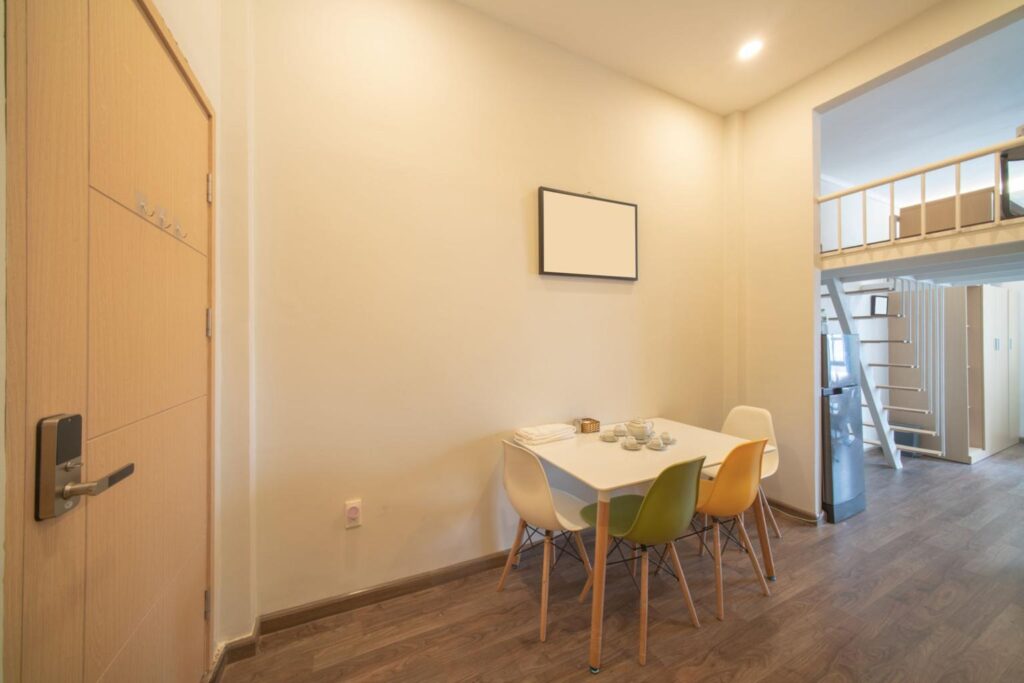
One of the most common choices for newcomers is the serviced apartment. These units are designed specifically for expats in Vietnam and usually include utilities, cleaning services, security, and sometimes even laundry. For someone who has just arrived and wants a smooth transition, this option removes a lot of daily friction. However, that convenience comes at a higher price point, and you are often paying for services you may not fully use.
Condominium apartments, often located in newer high-rise buildings, are another popular option. These tend to offer a balance between comfort and independence. Buildings in areas like the old District 2 or District 7 typically include facilities such as gyms, swimming pools, and 24/7 security. Many foreigners prefer this type of apartment rental in Vietnam because it feels familiar while still being integrated into local neighborhoods.
On the more budget-friendly end, local apartments or mini-apartments provide a very different experience. These units may be smaller, less standardized, and sometimes lack modern amenities, but they offer a closer look at everyday Vietnamese life. For long-term residents or those prioritizing cost of living in Vietnam, this option can be both practical and culturally immersive.
Choosing between these types ultimately depends on how you want to experience living in Vietnam—whether you value convenience, independence, or authenticity.
3. Cost of Renting an Apartment in Vietnam
Understanding the real cost of living Vietnam—especially when it comes to housing—is essential before committing to any lease. While renting an apartment in Vietnam is generally more affordable than in many Western cities, prices vary significantly depending on location, building type, and included services. This is why two apartments with similar sizes can have completely different price points.
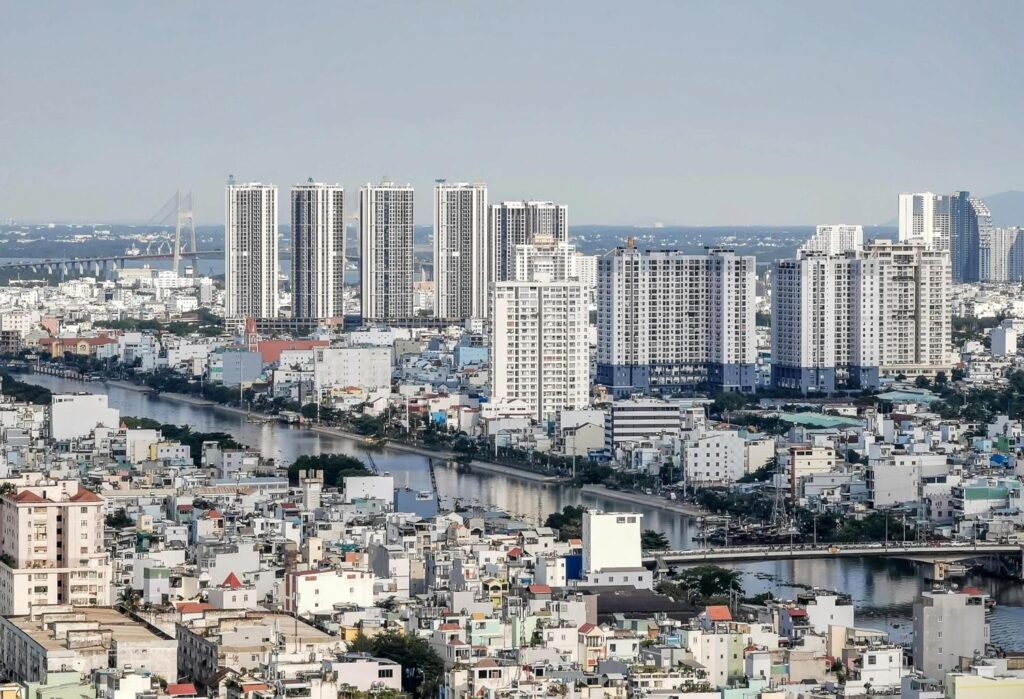
In Ho Chi Minh City, central districts like District 1 (Sài Gòn) tend to be the most expensive due to proximity to offices, restaurants, and nightlife. District 2 (Thảo Điền) and District 7 (Phú Mỹ Hưng) offer a slightly different value—still popular among expats in Vietnam housing, but with more spacious apartments and quieter environments. Hanoi follows a similar pattern, where central areas command higher rental prices due to convenience and expat communities.
However, rent is only one part of the total cost. In many apartment rental Vietnam setups, additional fees may include electricity, water, internet, parking, management fees, and cleaning services. Serviced apartments often bundle these into a single price, while condominiums usually separate them. This difference can significantly affect your monthly budget if not clarified in advance.
Another important factor is the deposit. Most landlords require one to two months’ rent upfront, and sometimes the first month’s rent is paid in advance as well. While this is standard practice, the exact terms are often negotiable depending on lease length.
Ultimately, the Vietnam rental market offers flexibility, but that also means you need to evaluate the full cost carefully. Looking beyond the listed rent will give you a much more accurate picture of what you are actually paying each month.
4. Best Areas for Expats Renting in Vietnam
Choosing the right location is one of the most important decisions when renting an apartment in Vietnam, because it directly affects your daily lifestyle, commute, and overall experience in the country. Unlike some cities where neighborhoods feel relatively similar, each district in Vietnam—especially in Ho Chi Minh City—has a very distinct character.
District 1 (Sài Gòn) is the most central and dynamic area. It is where most offices, restaurants, bars, and major landmarks are located. Living here means everything is within reach, but it also comes with higher rent, more noise, and less space. For short-term stays or those who prioritize convenience, District 1 is often the default choice in the Vietnam rental market.
District 2 (Thảo Điền) offers a completely different atmosphere. It is one of the most popular areas for expats in Vietnam, known for its international community, spacious apartments, and quieter, more residential environment. Cafés, international schools, and co-working spaces are concentrated here, making it ideal for long-term residents who want a balance between comfort and community.
District 7 (Phú Mỹ Hưng) is another well-planned area with wide streets, modern infrastructure, and a more structured urban layout. Many apartments here are newer, and the environment feels less chaotic compared to the central districts. It is especially attractive for families or those who prefer a cleaner, more organized living space.
In Hanoi, Tay Ho plays a similar role to Thảo Điền, offering lakeside living and a strong expat presence. Across cities, the choice of location reflects not just budget, but lifestyle—something you should consider carefully when navigating apartment rental Vietnam options.
5. Lease Agreements and Legal Considerations

When renting an apartment in Vietnam, understanding the lease agreement is just as important as choosing the right location. Compared to more regulated housing markets, apartment rental contracts in Vietnam can be relatively simple, but that also means you need to pay closer attention to details that may not always be clearly explained up front.
In most cases, lease terms range from 6 to 12 months, although shorter stays can sometimes be negotiated—especially in serviced apartments. One of the first things you will be asked for is a deposit, typically equivalent to one or two months’ rent. This deposit is refundable at the end of your lease, but only if the apartment is returned in acceptable condition. It is important to clarify what “acceptable” means, as expectations can vary between landlords.
Another common situation in the Vietnam rental market is that contracts are written primarily in Vietnamese. While many landlords or agents can provide an English version, it is not always guaranteed. If anything is unclear, it is worth asking for clarification before signing, rather than assuming terms are standard. This is especially relevant when it comes to maintenance responsibilities, early termination policies, or deposit conditions.
For foreigners, there is also a legal requirement for landlords to register your stay with local authorities. This process is routine and usually handled by the landlord or building management, but it is still good to confirm that it has been completed properly.
Ultimately, renting an apartment in Vietnam is not overly complicated, but it does require attention to detail. Taking the time to read and understand your lease can prevent small issues from becoming bigger problems later on.
6. How to Find Apartments in Vietnam
Finding a place when renting an apartment in Vietnam can feel overwhelming at first, especially if you are unfamiliar with how the Vietnam rental market operates. Unlike in some countries where listings are centralized and standardized, apartment hunting in Vietnam is often fragmented across multiple platforms and informal channels.
One of the most common ways foreigners search for housing in Vietnam for foreigners is through Facebook groups. These communities are highly active and frequently updated with listings, especially in expat-heavy areas like Thảo Điền or Phú Mỹ Hưng. Many landlords and agents post directly here, which means you can sometimes find better deals compared to traditional listing websites. However, because these posts are informal, details can be inconsistent or incomplete.
Working with a real estate agent is another popular option, particularly for newcomers. Agents can arrange multiple viewings in a short time and help navigate language barriers. In most cases, the commission is paid by the landlord, so renters do not need to pay extra. That said, agents may prioritize properties they have access to, so it is still useful to compare options independently.
A key reality of apartment rental in Vietnam is that photos do not always reflect the current condition of the property. Lighting, angles, and outdated images can make a unit look significantly better online than in person. For this reason, visiting apartments before committing is strongly recommended.
Being patient and viewing multiple options will give you a much clearer sense of what is actually available in the Vietnam rental market.
7. Common Challenges When Renting in Vietnam
While renting an apartment in Vietnam is generally accessible, there are a few common challenges that foreigners should be prepared for. These are not necessarily deal-breakers, but understanding them early will help you avoid frustration and adjust expectations within the Vietnam rental market.
One of the most common issues is inconsistency in quality. Unlike highly standardized housing markets, apartment conditions in Vietnam can vary significantly—even within the same building. Two units with similar pricing may differ in maintenance, furniture quality, or cleanliness. This is why in-person viewing is essential when considering apartment rental Vietnam options.
Noise is another factor that surprises many newcomers. Vietnam is a vibrant and active country, and that energy extends into residential areas. Street noise, construction, karaoke, or nearby cafés can all affect your living environment. Even in modern buildings, soundproofing is not always a priority, so choosing the right location and floor level matters more than expected.
Communication can sometimes be a challenge when there isn’t a shared language, especially in situations involving contracts, maintenance, or payments. In many cases, basic English or translation tools can help bridge the gap, but they don’t always capture details clearly. For expats, having some Vietnamese for everyday interactions can make a noticeable difference—helping conversations feel smoother, reducing misunderstandings, and removing a barrier that might otherwise slow things down when renting an apartment in Vietnam.
However, once you understand these differences, it becomes easier to navigate housing in Vietnam for foreigners and adapt to the local way of managing things.
8. Tips for a Smooth Apartment Rental Experience

To navigate renting an apartment in Vietnam smoothly, a few practical habits can make a significant difference, especially for foreigners who are new to the Vietnam rental market. While the process is generally flexible, small oversights can lead to unnecessary inconvenience later.
One of the most important tips is to always inspect the apartment carefully before moving in. Turn on the air conditioner, check water pressure, test appliances, and look for signs of wear or damage. Taking photos or videos of the apartment on your first day is highly recommended. This documentation can help protect your deposit when your lease ends, especially if there are disagreements about the condition of the unit.
Another key tip in apartment rental Vietnam is to clarify all included costs upfront. Some apartments advertise a lower rent but exclude electricity, water, internet, or management fees. In buildings popular with expats in Vietnam, these extra costs can add up quickly if not discussed in advance. Asking for a clear breakdown will help you avoid surprises.
Communication is also important. Clear communication can prevent misunderstandings around maintenance, payment schedules, or contract terms.
Finally, try to build a good relationship with your landlord or building staff. In Vietnam, personal relationships often influence how quickly issues are resolved. A friendly approach can make your overall living experience much smoother and more comfortable.
Living Comfortably in Vietnam
Overall, renting an apartment in Vietnam offers a level of flexibility and variety that is difficult to find in many other countries. Whether you choose a modern high-rise in District 1, a quieter expat-friendly neighborhood like Thảo Điền, or a more structured and residential area such as Phú Mỹ Hưng, each option reflects a different way of living in Vietnam. The key is not just finding a place that fits your budget, but one that aligns with your daily habits, lifestyle, and expectations.
What makes the Vietnam rental market unique is this balance between convenience and adaptability. You can find fully serviced apartments that require almost no setup, or more local housing that offers a deeper, more immersive experience. At the same time, navigating apartment rental in Vietnam successfully often comes down to small details—understanding contracts, choosing the right location, and communicating clearly with landlords.
For foreigners, adjusting to housing in Vietnam for foreigners is not only about logistics, but also about cultural understanding. Simple interactions, negotiation styles, and expectations around living spaces all reflect broader aspects of Vietnamese daily life. The more you understand these nuances, the easier it becomes to feel comfortable and settled.
And if you want to take that a step further, language plays a huge role. At Vietnamese Language Studies (VLS), students don’t just learn Vietnamese in theory—they learn how to use it in real-life situations like talking to landlords, asking about contracts, or handling everyday conversations. With campuses conveniently located in District 1, Thảo Điền, and Phú Mỹ Hưng, VLS supports learners right where most expats choose to live, helping you not just stay in Vietnam but truly belong.



Monetize your traffic instantly—enroll in our affiliate network!