Table of Contents
1. How to Order Food in Vietnam Using Delivery Apps: A Modern Everyday Habit
Understanding how to order food in Vietnam using delivery apps is one of the easiest ways for travelers and expatriates to experience daily life in the country. In recent years, Vietnam food delivery has become incredibly popular, especially in large cities like Ho Chi Minh City, Hanoi, and Da Nang. Instead of calling restaurants directly, most locals now rely on mobile apps to browse menus, compare prices, and receive meals within minutes.
The growth of food delivery apps in Vietnam reflects the country’s rapid digital transformation. Services such as GrabFood, ShopeeFood, and Baemin connect thousands of restaurants with customers through convenient mobile platforms. Whether someone wants street food, coffee, or full meals, these apps provide quick access to a wide variety of choices.
For foreigners, learning how to order food in Vietnam using delivery apps can simplify everyday life. Many apps include English-language options, photos of dishes, and clear pricing. This allows users to explore Vietnamese cuisine without needing advanced language skills.
More importantly, using delivery apps Vietnam-style reveals how urban lifestyles are changing. Busy workers order lunch to their offices, students share late-night snacks in dorms, and families enjoy restaurant meals without leaving home. In this way, food delivery is not just a convenience—it has become part of the rhythm of modern Vietnamese cities.
2. Popular Food Delivery Apps in Vietnam
To understand how to order food in Vietnam using delivery apps, it helps to know the most widely used platforms. The three largest food delivery apps in Vietnam today are GrabFood, ShopeeFood, and BeFood.
Among these services, GrabFood Vietnam remains the most recognizable for international users. The app offers both motorbike delivery and ride-hailing services, making it convenient for travelers who already use Grab for transportation.
ShopeeFood, formerly known as Now.vn, is also extremely popular with locals. It often features promotional discounts, loyalty programs, and an extensive list of restaurants. BeFood, connected to the Vietnamese ride-hailing platform Be, provides another growing alternative.
These delivery apps Vietnam residents use daily typically feature thousands of restaurants, ranging from small street food vendors to international chains. Because many local restaurants partner with multiple platforms, customers can compare prices and delivery times easily.
For visitors trying to explore Vietnamese cuisine without navigating busy streets, these apps make ordering food in Vietnam simple and accessible.
3. Setting Up Delivery Apps Vietnam Travelers Can Use
Before learning how to order food in Vietnam using delivery apps, the first step is setting up an account. Most delivery apps Vietnam offers are available for both iOS and Android devices and can be downloaded quickly from app stores.
Registration usually requires a phone number and basic personal information. Many travelers successfully sign up using international phone numbers, though a local SIM card often makes the process smoother.
After registration, users need to set a delivery address. Apps allow you to pin your exact location on a map, which helps drivers find hotels, apartments, or offices. In dense urban areas, including building names or nearby landmarks can improve delivery accuracy.
Payment methods vary depending on the platform. Some users pay in cash when the driver arrives, while others link digital wallets or bank cards. Cashless payment is becoming increasingly common in Vietnam food delivery services.
Once the account is ready, browsing restaurants becomes easy. The app interface typically displays categories such as Vietnamese food, street food, coffee, desserts, and international cuisine.
4. Step-by-Step: Ordering Food in Vietnam Through Apps
Once you understand how to order food in Vietnam using delivery apps, the process becomes quick and intuitive.
First, open the app and select the food delivery section. The platform will automatically show nearby restaurants based on your location. You can filter options by cuisine type, ratings, delivery time, or promotional discounts.
After selecting a restaurant, browse the menu and add dishes to your cart. Most restaurants include photos and short descriptions of each item. This makes ordering food in Vietnam easier even for people unfamiliar with Vietnamese cuisine.
Next, confirm your delivery address and choose a payment method. The app will display estimated delivery time and total cost, including delivery fees.
Once the order is placed, customers can track the driver in real time on a map. Watching the delivery motorbike approach is part of the experience of Vietnam food delivery culture.
5. What Types of Food You Can Order
One of the most exciting aspects of ordering food in Vietnam through delivery apps is the enormous variety available. From traditional street food to international cuisine, delivery platforms reflect the diversity of Vietnam’s urban food scene.
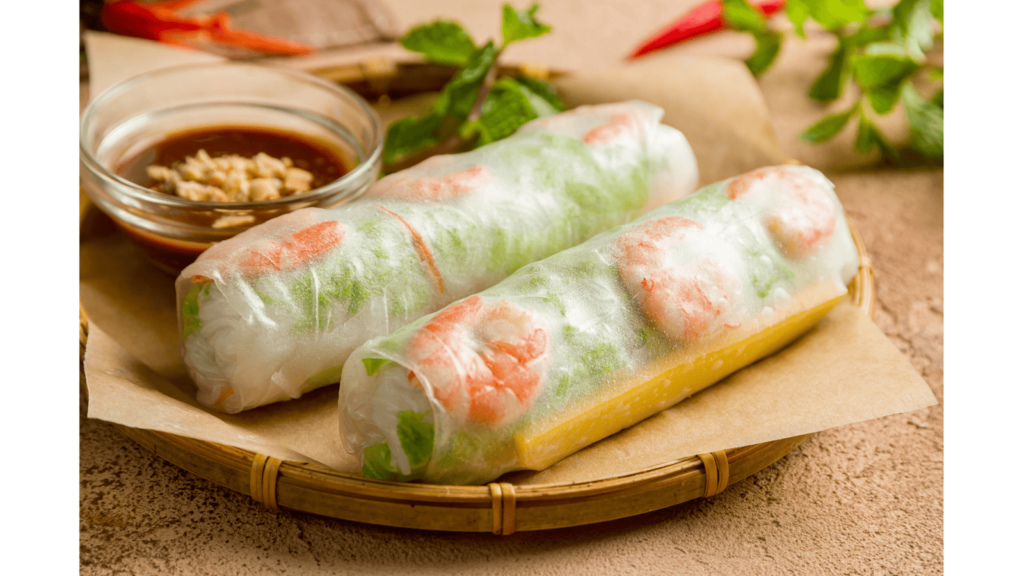
Popular Vietnamese dishes available through food delivery apps in Vietnam include phở, bánh mì, bún bò Huế, and cơm tấm. Many coffee shops also offer delivery for drinks like Vietnamese iced coffee and fruit tea.
International food options have expanded rapidly as well. Pizza, Korean barbecue, sushi, burgers, and Thai cuisine are widely available in large cities.
Because delivery apps Vietnam residents use list thousands of restaurants, exploring food through these platforms can feel like browsing a digital food market.
6. Tips for Communicating With Delivery Drivers
Although learning how to order food in Vietnam using delivery apps is simple, communication with drivers sometimes requires small adjustments.
Many drivers contact customers through the app when they arrive nearby. If the location is difficult to find, they may call or send a message asking for clarification.
Knowing a few basic Vietnamese phrases can be helpful. For example:
- “Tôi đang xuống.” (I’m coming down.)
- “Anh đợi một chút.” (Please wait a moment.)
- “Tôi ở trước cửa.” (I’m at the door.)
These short interactions are part of the everyday rhythm of Vietnam food delivery culture.
7. Delivery Etiquette and Tipping in Vietnam
Etiquette also matters when learning how to order food in Vietnam using delivery apps. Drivers work quickly across crowded streets and tight schedules, so being ready to receive your order helps them complete deliveries efficiently.
Unlike some countries, tipping is not mandatory in Vietnam. However, rounding up the payment or adding a small tip through the app is appreciated.
Customers should also check their order quickly upon arrival to ensure everything is correct. Most apps provide customer support options if problems occur.
These small habits help maintain positive interactions within the Vietnam food delivery ecosystem.
8. Why Food Delivery Apps Reflect Modern Vietnam
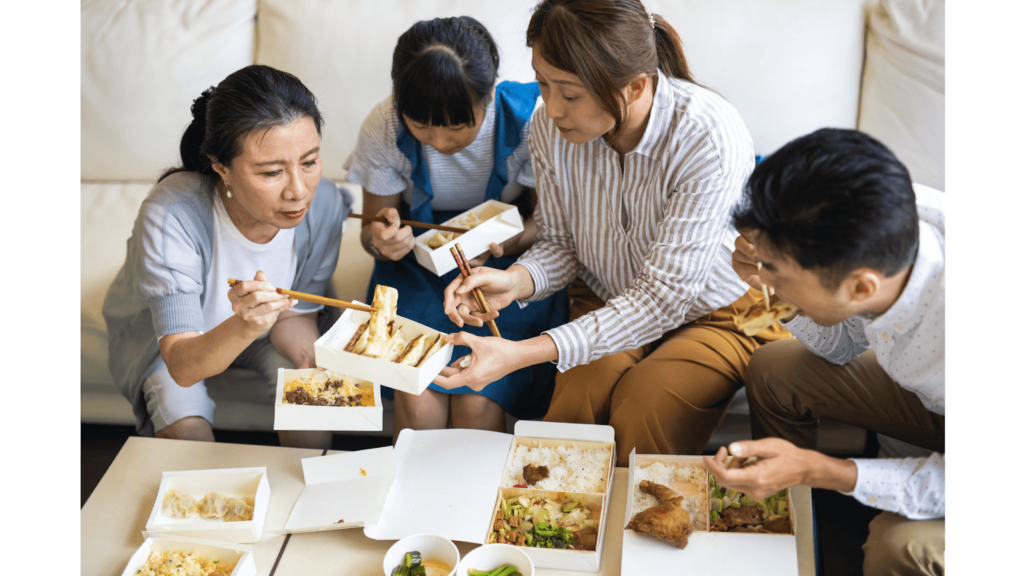
The popularity of food delivery apps in Vietnam illustrates how technology is transforming daily life. Urban residents increasingly rely on smartphones to manage transportation, payments, and meals.
For travelers, learning how to order food in Vietnam using delivery apps offers insight into this modern lifestyle. Instead of viewing the country only through tourist experiences, you participate in routines shared by millions of locals.
From late-night snacks to busy office lunches, Vietnam food delivery has become part of the social fabric of city life.
9. Smart Tips to Save Money When Ordering Food in Vietnam
Once you understand how to order food in Vietnam using delivery apps, a few small strategies can help you save money and avoid long waiting times. Most food delivery apps in Vietnam regularly offer discount codes, flash deals, and promotional bundles. Before confirming your order, check the voucher or promotion section inside the app. Platforms like GrabFood and ShopeeFood frequently provide discounts for new users, free delivery campaigns, or restaurant-specific promotions. Applying these codes can significantly reduce the total price of your meal.
Timing also matters when ordering food in Vietnam. Peak lunch hours — especially between 11:30 AM and 12:30 PM — are extremely busy. Many restaurants receive dozens of orders at the same time, and delivery drivers are in high demand. As a result, waiting times can increase significantly, sometimes doubling the estimated delivery time shown in the app. Ordering slightly earlier or later than peak hours often leads to faster service and fresher food.
Another helpful strategy is comparing restaurants across multiple delivery apps. Many eateries appear on several platforms, but prices, delivery fees, or discounts may vary. Checking two apps before placing an order can sometimes reveal better deals.
Finally, pay attention to delivery distance. Restaurants located closer to your address typically offer lower delivery fees and faster service. With these small adjustments, Vietnam food delivery becomes not only convenient but also affordable and efficient.
Mastering Food Delivery in Vietnam
Understanding how to order food in Vietnam using delivery apps makes everyday life easier for travelers, expatriates, and students living in the country. With just a few taps on a smartphone, you can access an enormous range of Vietnamese and international cuisine.
More importantly, using delivery apps reveals how technology blends with traditional food culture in modern Vietnam.
For visitors who want to connect even more deeply with local life, learning basic Vietnamese phrases can enhance daily experiences—including ordering meals, communicating with drivers, and exploring restaurants.
At Vietnamese Language Studies (VLS), students practice practical language skills used in everyday situations, from ordering food to navigating cities confidently. Language learning turns ordinary moments—like ordering dinner—into meaningful cultural connections.