Table of Contents
Vietnamese Lunar New Year, known as Tết Nguyên Đán, is not simply a holiday. It is the emotional, cultural, and spiritual center of Vietnamese life. To understand Vietnam without understanding Tết is to miss the country’s deepest rhythm—how people relate to family, time, memory, and hope.
For many visitors, Tết may appear as a festive period filled with red decorations, flowers, and fireworks. But for Vietnamese people, Tết is far more layered. It is a moment of closure and rebirth, a bridge between generations, and a collective pause that allows the entire country to reset.
This article explains what Tết is, where it comes from, and why it matters so deeply—not just culturally but emotionally. Whether you are planning to travel to Vietnam, live here long-term, or simply want to understand Vietnamese society more deeply, this guide offers a clear and grounded explanation of Vietnam’s most important celebration.
1. What Is Tết? More Than “Vietnamese New Year”
Tết Nguyên Đán translates roughly to “Festival of the First Morning,” marking the beginning of the lunar calendar year. It usually falls between late January and mid-February, depending on the moon cycle and the traditional lunar calendar system.
However, describing Tết as merely “Vietnamese Lunar New Year” is insufficient. Unlike Western New Year celebrations, which often emphasize parties and countdowns, Tết is rooted in reflection, responsibility, and continuity.
Tết marks the transition between the old and the new—not only in time, but in spirit. It is a moment when people symbolically close unfinished chapters, reconcile tensions, and prepare themselves to step into a new cycle with intention.
This is why Tết matters far beyond the calendar. It is a moral and emotional reset for individuals, families, and even businesses.
2. The Cultural Roots of Tết: Agriculture, Ancestors, and Time
The origins of Tết are closely tied to Vietnam’s agricultural history. In a society historically dependent on rice farming, the lunar calendar dictated planting, harvesting, and rest.
But agriculture alone does not explain Tết’s emotional gravity. The deeper foundation lies in ancestor worship, a cornerstone of Vietnamese belief systems influenced by Confucianism, Taoism, and indigenous spirituality (background on Confucian thought: https://www.britannica.com/topic/Confucianism).
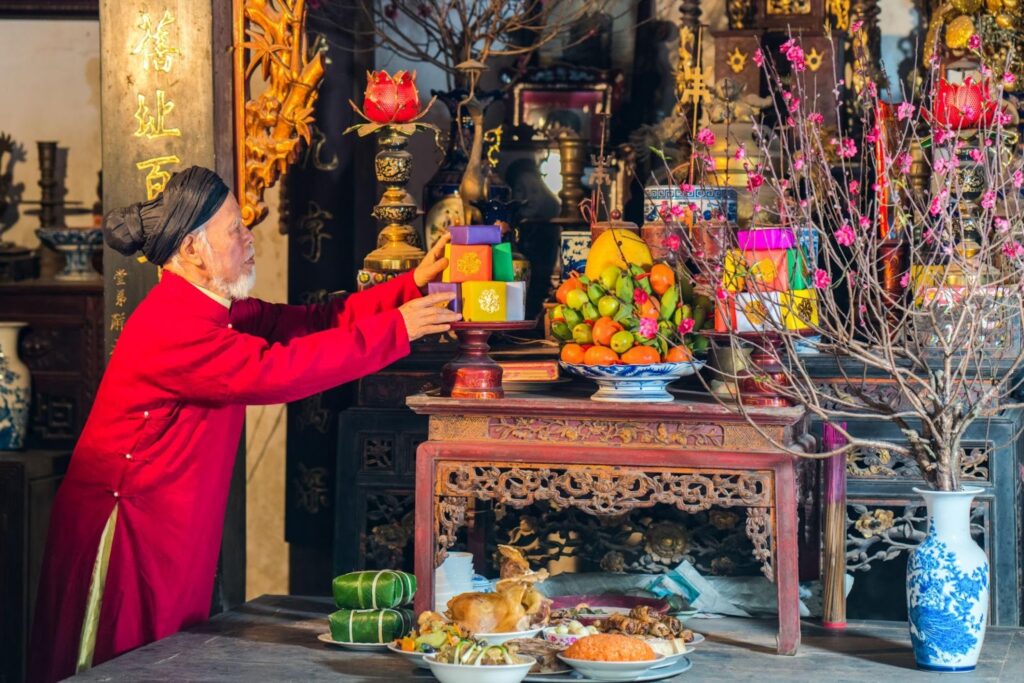
Vietnamese people view time as cyclical rather than linear. The past is not gone; it lives alongside the present through ancestral presence. During Tết, families invite their ancestors home, offering food, incense, and prayers. This ritual affirms a powerful belief: you do not move forward alone. You carry your lineage with you.
This worldview shapes why Tết is treated with such reverence. It is not simply the start of a year; it is a reaffirmation of identity.
3. Why Tết Matters So Deeply to Vietnamese People
To understand why Tết matters, one must understand how Vietnamese society values relationships over individualism.
Tết is the one time of year when everyone is expected to return home, regardless of distance, workload, or personal inconvenience. Missing Tết is not a neutral decision; it often carries emotional weight and quiet guilt.
This expectation exists because Tết symbolizes unity. Family members who have argued throughout the year sit at the same table. Long silences are temporarily softened. Even unresolved tensions are set aside in the name of harmony.
There is a common Vietnamese saying that roughly translates to: “Whatever happens during the year can be forgiven at Tết.” This does not mean problems disappear. It means there is a collective agreement to begin again.
In this sense, Tết is not about perfection. It is about permission—permission to pause, to forgive, and to hope.
4. The Emotional Logic Behind Tết Preparations
To outsiders, the weeks leading up to Tết may seem stressful. Homes are cleaned thoroughly, debts are repaid, relationships are revisited, and plans are meticulously arranged.
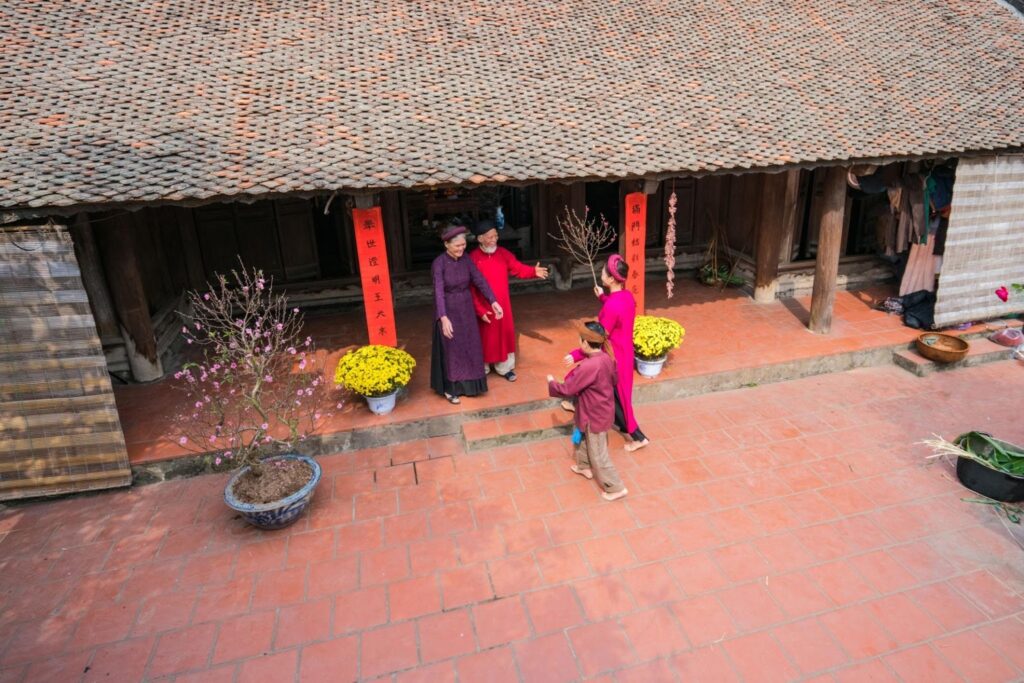
This preparation is not arbitrary. In Vietnamese belief, how you enter the new year influences how the year unfolds. Carrying unresolved mess—physical or emotional—into Tết is thought to invite stagnation.
Cleaning the house before Tết is symbolic. It represents removing bad luck, negative energy, and fatigue from the previous year. Once Tết begins, sweeping or throwing things away is traditionally avoided, as it may symbolically discard incoming luck.
Similarly, settling debts before Tết is not just financial etiquette. It reflects a moral desire to start the year without obligation or burden.
These customs reveal something important: Tết is deeply concerned with balance.
5. Tết Food: Memory, Meaning, and Togetherness
Food is central to Tết, but not for indulgence alone. Each dish carries cultural meaning and emotional memory.
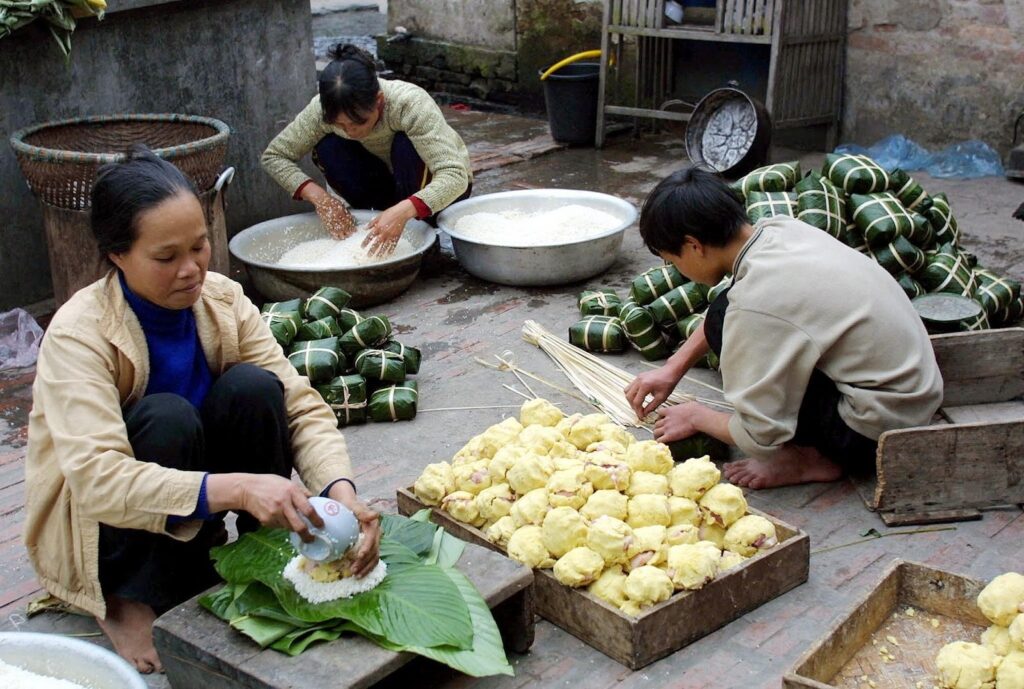
The most iconic Tết dish is bánh chưng in the north and bánh tét in the south. Made from sticky rice, mung beans, and pork, these cakes require hours—sometimes days—of preparation. Families often gather to wrap and cook them together, talking late into the night.
This process matters as much as the result. It reinforces patience, cooperation, and continuity.
Meals stretch long, filled with conversation, laughter, and remembrance. Food becomes a language through which care is expressed.
6. Tết and the Concept of “Luck” in Vietnamese Culture
Luck during Tết is not viewed as random chance. It is something that can be influenced through intention, behavior, and symbolism. In Vietnamese culture, luck is relational—it flows through actions, words, and timing.
This belief explains many Tết customs that may seem superstitious at first glance. The first person to enter a home after midnight, often called the “first footer” (xông đất), is believed to influence the household’s fortune for the entire year. Families sometimes carefully choose someone whose personality, zodiac sign, or life situation aligns with positive energy. This practice is less about magic and more about symbolic psychology: how the year begins shapes how it is perceived.
Language during Tết is treated with similar care. Words are not neutral. They carry intention. Arguments, pessimism, and references to illness or loss are avoided—not because hardship is denied, but because the first days of the year are considered formative. Speaking positively becomes an act of hope.
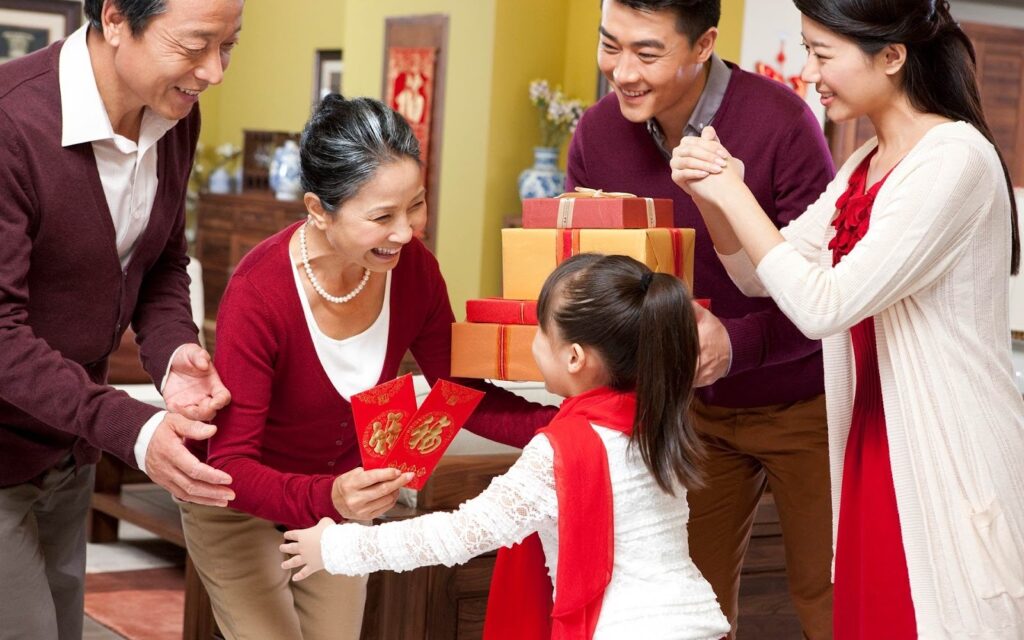
Money given in red envelopes, known as lì xì, follows the same logic. The red color symbolizes vitality and protection. The money inside is less important than the gesture. It is not a transaction; it is a blessing offered in tangible form. Elders give to children. Adults give to parents. The act reinforces generational continuity.
Even small actions—breaking dishes, spilling water, borrowing money—can carry symbolic meaning during Tết. These associations reveal something essential about Vietnamese cultural logic: luck is not entitlement. It is cultivated through awareness, harmony, and respectful conduct.
7. How Tết Affects Daily Life and the Entire Country
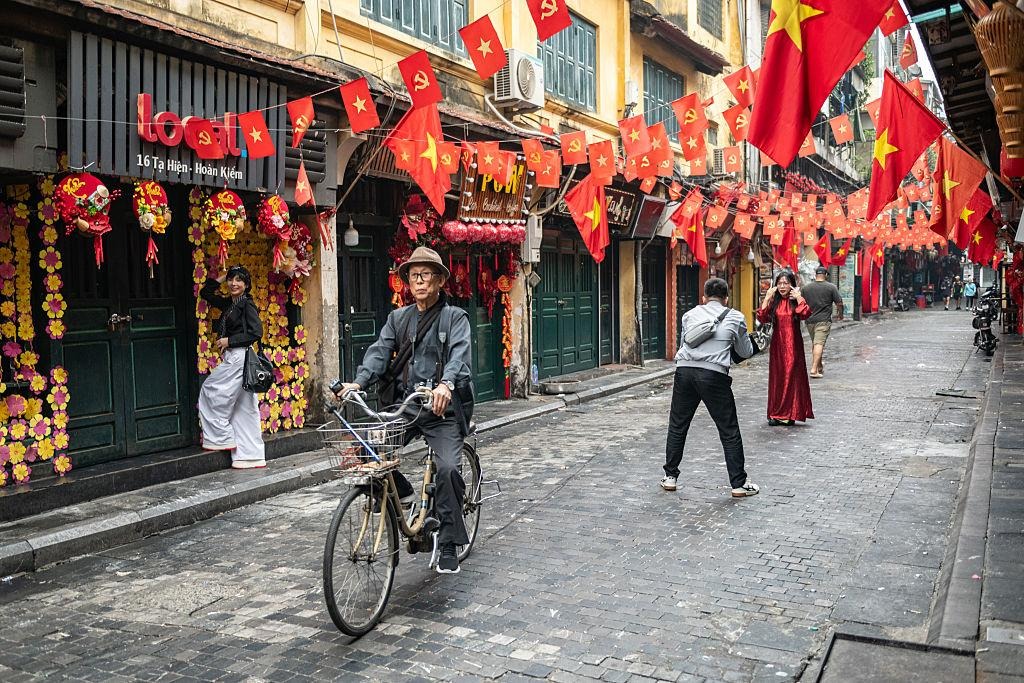
During Tết, Vietnam changes not only in decoration, but in rhythm.
In the days leading up to the holiday, bus stations and airports overflow with travelers returning to their hometowns. Streets are crowded with last-minute shoppers buying flowers, gifts, and offerings. The atmosphere feels charged with urgency.
Then, almost suddenly, the country pauses.
Cities that are normally dense with traffic become noticeably quieter. Shops close their doors. Offices suspend operations. Restaurants reduce hours. The soundscape softens. For a brief period, economic productivity yields to personal connection.
For visitors unfamiliar with this shift, it can feel inconvenient. But this collective pause is precisely what gives Tết its weight. It demonstrates a national consensus: there are moments when relationship matters more than output.
Rural areas, meanwhile, come alive. Family homes fill with relatives. Communal meals stretch long into the afternoon. Children play in courtyards. Elders sit together recounting stories of past Tết seasons. The pace is slower, but emotionally fuller.
This rhythm helps explain something deeper about Vietnamese resilience. In a rapidly changing economy, with increasing urban pressure and global influence, Tết remains a structured space for rest, reconnection, and reaffirmation.
Tết as the Heartbeat of Vietnam
Tết is not loud by nature. It gathers meaning quietly, through repetition, memory, and shared understanding.
To ask “What is Tết?” is to ask how Vietnam understands time, family, and hope. To ask “Why does Tết matter?” is to recognize that some traditions survive because they are deeply needed.
For those who wish to understand Vietnam beyond surface impressions, language and cultural context matter. At Vietnamese Language Studies (VLS), learning Vietnamese is not only about vocabulary or grammar, but about understanding the traditions, values, and worldview that shape everyday life—including celebrations like Tết. Because to truly understand a culture’s most sacred holiday is often the first step toward belonging within it.
And that is why, year after year, Tết remains the most sacred time in Vietnam.

Alright, been searching high and low for a good bonus code. Anyone used codigobonusbetobet before? Seriously, could use a boost right now. Get your code here: codigobonusbetobet
Downloaded some games from x7777gamedownload. Pretty smooth process, no issues. A good place to check out new options x7777gamedownload.
I checked out x222gamedownload and installed a couple of games. Worth it if you are into mobile gamingx222gamedownload.