Table of Contents
Tết Nguyên Đán, commonly called Tết, is the most important celebration in Vietnam. If you are a foreigner living, working, or traveling in Vietnam, understanding Tết traditions is not just helpful — it is essential. During this time, cities transform, businesses close, families reunite, and cultural rituals take center stage.
For many foreigners, Tết can feel confusing at first. Why do people clean their houses so intensely? Why are peach blossoms and kumquat trees everywhere? Why does everyone talk about “lucky words” and avoid certain phrases?
This guide will walk you through the most important Tết traditions and rituals every foreigner in Vietnam should know, helping you navigate the holiday with confidence and cultural sensitivity.
What Is Tết and Why Is It So Important?
Tết Nguyên Đán marks the arrival of the Lunar New Year, typically falling between late January and mid-February. It follows the lunar calendar rather than the Gregorian calendar. While many countries celebrate Lunar New Year, Vietnamese Tết has its own distinct traditions, foods, and rituals.
For Vietnamese people, Tết is more than a holiday. It is:
- A time for family reunion
- A moment to honor ancestors
- A symbolic reset for the year ahead
- An opportunity to wish for prosperity, health, and luck
Unlike Western New Year celebrations that focus on parties and countdowns, Tết is deeply rooted in family values, spirituality, and tradition.
If you are living in Vietnam, you will notice that life slows down dramatically during Tết. Offices close, restaurants shut their doors, and major cities like Ho Chi Minh City and Hanoi become unusually quiet as many residents return to their hometowns.
Understanding this cultural shift will help you prepare practically and emotionally.
Preparing for Tết: The Ritual of Cleaning and Renewal
One of the first Tết traditions foreigners notice is the intense cleaning that happens in the weeks leading up to the holiday.
Vietnamese families thoroughly clean their homes before Tết. This is not simply spring cleaning. It is symbolic. Cleaning represents sweeping away bad luck, negative energy, and misfortune from the previous year.
However, there is an important detail many foreigners do not know: once Tết begins, especially on the first day of the new year, sweeping the house is avoided. Sweeping during the first days of Tết is believed to “sweep away” good luck.
This belief illustrates a broader cultural principle: Tết rituals are highly symbolic. Actions during the first few days of the new year are thought to influence the entire year ahead.
For foreigners invited to Vietnamese homes during Tết, being aware of these symbolic meanings shows cultural respect.
The Kitchen God (Ông Công Ông Táo) Ceremony
Before Tết officially arrives, there is an important ritual called the Kitchen God ceremony, usually observed around the 23rd day of the last lunar month.
Vietnamese families believe that the Kitchen Gods report on household activities to the Jade Emperor in heaven. Families prepare offerings, burn incense, and release live carp into rivers or lakes. The carp symbolize transportation for the Kitchen Gods to travel to heaven.
For foreigners, this ritual offers insight into Vietnamese spiritual beliefs. It reflects a blend of Taoist, Buddhist, and folk traditions that have shaped Vietnamese culture for centuries.
If you see people releasing fish into water during this time, you are witnessing one of the earliest Tết-related rituals.
Ancestor Worship During Tết
Ancestor worship is one of the most important Tết rituals in Vietnam. Many Vietnamese homes have an ancestral altar, often placed in a central, respectful location.
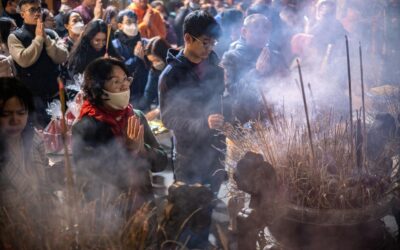
During Tết, families prepare elaborate food offerings for their ancestors. Incense is lit, and family members pray to invite their ancestors to celebrate the new year with them.
For foreigners unfamiliar with ancestor worship, it is important to understand that this practice is not about fear or superstition. It is a quiet act of remembrance, gratitude, and connection. It reflects the deep Vietnamese value of filial piety and respect for lineage.
If you are invited to a Tết meal in a Vietnamese household, you may notice that food is first placed on the altar before anyone eats. This is a gesture of honoring ancestors before sharing the meal.
As a guest, simply observe respectfully. You are not expected to perform the rituals unless invited.
Tết Decorations: Symbols of Luck and Prosperity
During Tết, homes and streets across Vietnam are decorated with symbolic plants and colors.
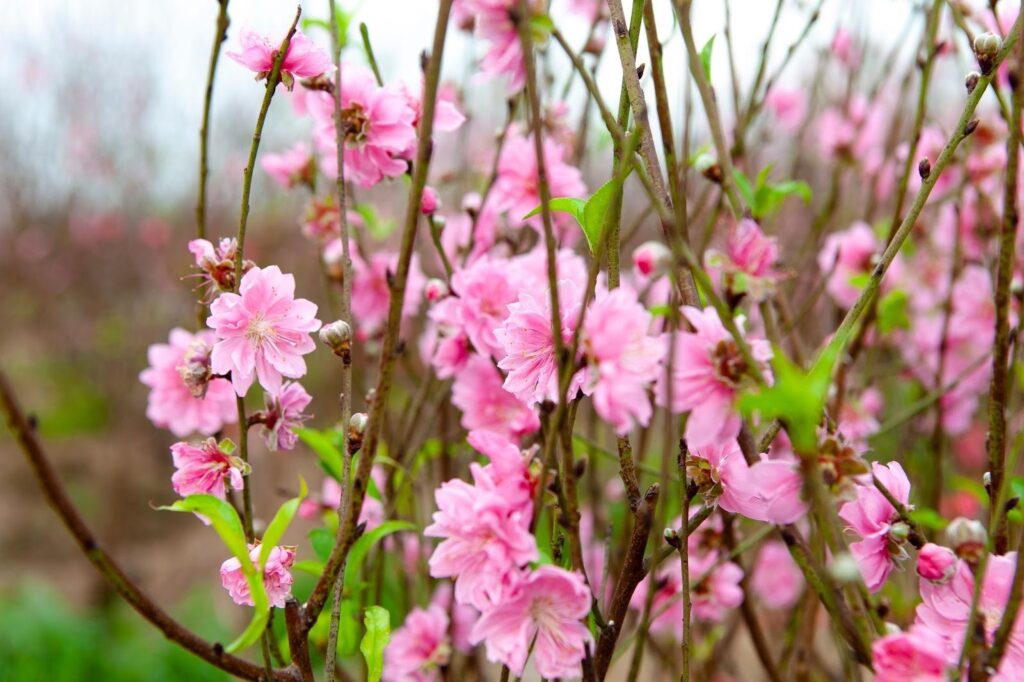
In northern Vietnam, pink peach blossoms are popular, while southern Vietnam prefers yellow apricot blossoms. Kumquat trees, filled with ripe orange fruits, symbolize abundance and fertility.
Red and gold decorations are everywhere. Red represents luck and happiness, while gold symbolizes prosperity.
You may also see red banners with calligraphy displaying lucky words such as “Phúc” (happiness), “Lộc” (prosperity), and “Thọ” (longevity).
For foreigners living in Vietnam, participating in decorating your home or workspace with these symbols can be a meaningful way to embrace the local culture.
Traditional Tết Foods Every Foreigner Should Know
Food plays a central role in Tết celebrations. Many dishes are deeply symbolic and vary by region.
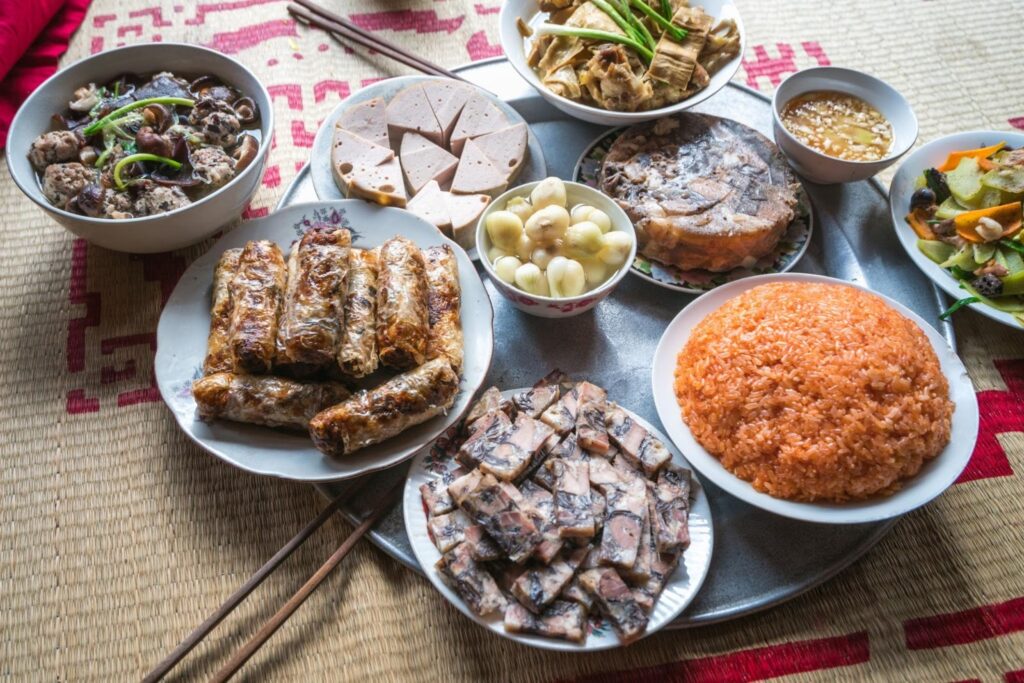
In the north, bánh chưng is the iconic Tết dish. This square sticky rice cake filled with pork and mung beans represents the earth. In the south, families often prepare bánh tét, a cylindrical version of the same concept.
Other common Tết foods include pickled vegetables, boiled chicken, braised pork with eggs, and candied fruits.
For foreigners, tasting these dishes is one of the most enjoyable ways to experience Vietnamese Tết traditions. If you are offered food, accept it graciously. Refusing repeatedly may be considered impolite.
Lucky Money (Lì Xì): The Red Envelope Tradition
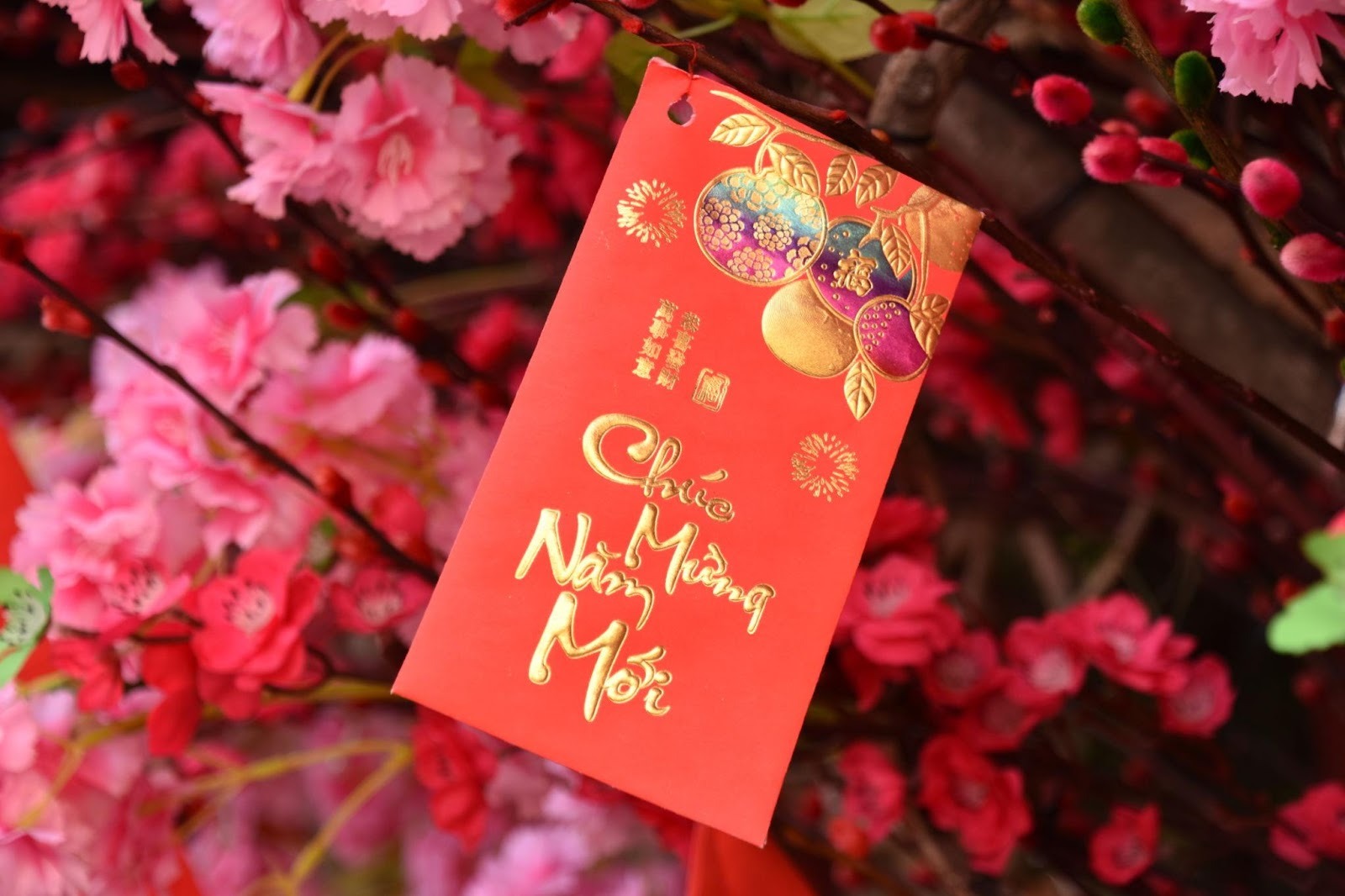
One of the most recognizable Tết traditions is giving lucky money, known as “lì xì”.
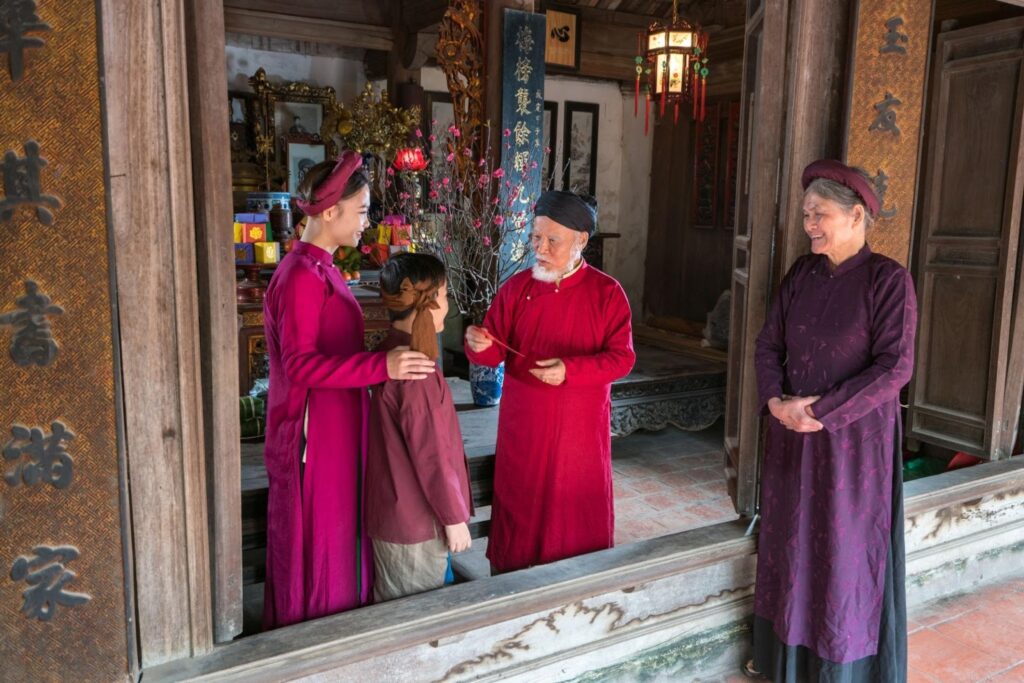
Adults give red envelopes containing money to children and sometimes to elderly family members. The money symbolizes blessings and good fortune for the year ahead.
If you are a foreigner close to a Vietnamese family, you may be expected to participate. The amount is less important than the gesture. Crisp new bills are preferred, and the envelope should be red.
When giving lì xì, offer it with both hands and say a simple New Year greeting such as “Chúc mừng năm mới” (Happy New Year).
First Visitor of the Year (Xông Đất)
Another important Tết ritual is “xông đất,” or the first visitor to enter a home in the new year.
The first person who steps into a house after midnight on New Year’s Eve is believed to influence the family’s luck for the entire year. Families often choose someone with a compatible zodiac sign and positive personality to perform this role.
For foreigners, this tradition highlights how symbolic the first moments of the year are in Vietnamese culture.
If you are invited to visit someone’s home on the first day of Tết, check whether you are the first visitor. Some families plan this carefully.
Tết Greetings and Words to Avoid
Language matters greatly during Tết. People exchange positive wishes for health, happiness, and success.
Common greetings include:
- Chúc mừng năm mới (Happy New Year)
- An khang thịnh vượng (Security and prosperity)
- Vạn sự như ý (May everything go as you wish)
Equally important is avoiding negative words. Talking about death, accidents, or bad luck during Tết is considered inappropriate.
For foreigners, keeping conversations positive and optimistic during Tết is a simple but powerful way to show cultural awareness.
Visiting Etiquette During Tết
During the first few days of Tết, families visit relatives, teachers, and close friends. If you are invited to a Vietnamese home, consider bringing a small gift such as fruit, tea, or sweets.
Dress neatly and modestly. Remove your shoes before entering the house if requested.
If incense is offered to you at the family altar, follow the host’s instructions. If you feel uncomfortable, a polite explanation is acceptable.
Remember that Tết is primarily family-centered. Respect the private nature of intimate family rituals.
Traveling in Vietnam During Tết
For foreigners planning to travel during Tết, preparation is crucial.
Transportation becomes crowded in the days leading up to Tết as millions return to their hometowns. Flights, buses, and trains sell out quickly. Prices often increase.
Many businesses close for several days, especially family-owned restaurants and shops. Tourist areas may remain open, but with limited services.
If you are staying in Vietnam during Tết, stock up on essentials in advance and confirm operating hours.
The Emotional Meaning of Tết
Beyond rituals and food, Tết carries deep emotional significance. It is a time of reunion for families separated by work or distance. Many Vietnamese people travel long hours just to share a meal with their loved ones.
For foreigners who have built relationships in Vietnam, understanding this emotional layer helps you appreciate why Tết matters so deeply.
It is not simply a festival. It is a reaffirmation of identity, family bonds, and cultural continuity.
How Foreigners Can Respectfully Participate in Tết
If you are a foreigner in Vietnam during Lunar New Year, you do not need to master every ritual. What matters most is respect and openness.
Learn a few Vietnamese New Year greetings. Accept invitations warmly. Observe traditions without judgment. Ask thoughtful questions if appropriate.
By doing so, you move from being a visitor to being a participant in Vietnamese culture.
Tết is ultimately about connection — between generations, between past and present, and between people. Understanding Tết traditions and rituals will not only help you navigate the holiday smoothly, but also deepen your cultural experience in Vietnam.
Final Thoughts
For anyone living or traveling in Vietnam, understanding Tết traditions and rituals is essential. From ancestor worship and lucky money to symbolic foods and first-visitor customs, every practice reflects deeper values of respect, gratitude, and hope.
As a foreigner, approaching Tết with curiosity and cultural sensitivity will transform your experience. Instead of feeling like an outsider during Vietnam’s biggest holiday, you will gain insight into the heart of Vietnamese society.
If you want to go beyond surface-level understanding, learning the language and cultural context behind these traditions makes a significant difference. At Vietnamese Language Studies (VLS), we help foreigners not only speak Vietnamese with confidence but also understand the cultural meanings behind celebrations like Tết. Through personalized language courses and cultural workshops, learners gain the tools to connect more deeply with local communities.
Chúc mừng năm mới — and may your time in Vietnam be filled with meaningful cultural discoveries.