Go beyond the tourist trail. Discover the top 10 traditional activities that help you explore Vietnam authentically. A simple Vietnam travel guide to the most cultural things to do in Vietnam.
Table of Contents
A Vietnam Travel Guide for Culture Lovers
If you want to explore Vietnam beyond the classic tourist routes, you’ll quickly realize that the most memorable experiences often come from getting your hands dirty, literally! Travelers and expats alike love cultural, hands-on activities because they offer genuine connections with locals, a deeper understanding of traditions, and memories that last long after you leave.
From participating in folk crafts to trying your hand at traditional cooking classes, these moments give you a richer, more personal perspective of Vietnamese culture. Consider this a mini Vietnam travel guide for cultural lovers, designed to highlight workshops and activities that are fun, accessible, and truly authentic. The next section will walk you through the best cultural things to do in Vietnam that every traveler should experience.
10 Traditional Vietnamese Activities You Can’t Miss
Vietnam offers a rich tapestry of cultural experiences that go beyond sightseeing. These authentic things to do in Vietnam let you connect with locals, learn traditional skills, and create lasting memories. Here’s a detailed look at 10 must-try cultural activities:
1. Pottery Making (Làm gốm)
Cultural Background:
Vietnamese pottery dates back thousands of years, with villages like Bát Tràng and Thanh Hà famous for their ceramics. These villages have preserved traditional techniques such as hand-molding and kilning over generations.
Experience:
At a pottery workshop, you’ll start by kneading clay and shaping it on a wheel or by hand. You can create bowls, vases, or decorative items, and some workshops let you try hand-painting traditional patterns. Instructors guide you through every step, making it beginner-friendly. It’s relaxing, hands-on, and very satisfying to see your creation come to life.
Who it’s for:
Perfect for anyone who enjoys crafting, art, or wants a memorable souvenir. Families, couples, and solo travelers all enjoy this experience.
2. Conical Hat Making (Làm nón lá)
Cultural Background:
The nón lá is one of the most iconic symbols of Vietnam, dating back centuries. Originally used by farmers and fishermen, it protects against sun and rain while reflecting Vietnamese simplicity and elegance.
Experience:
Workshops guide you through selecting the right palm leaves, cutting and shaping them, and weaving them onto a bamboo frame. You can make a small-scale hat for practice or a full-size one to take home. It’s interactive, photogenic, and fun to try your hand at a craft that locals have perfected for generations.
Who it’s for:
Ideal for travelers who enjoy cultural immersion, photography enthusiasts, or anyone curious about traditional Vietnamese daily life.
3. Bamboo Weaving (Đan lát tre)
Cultural Background:
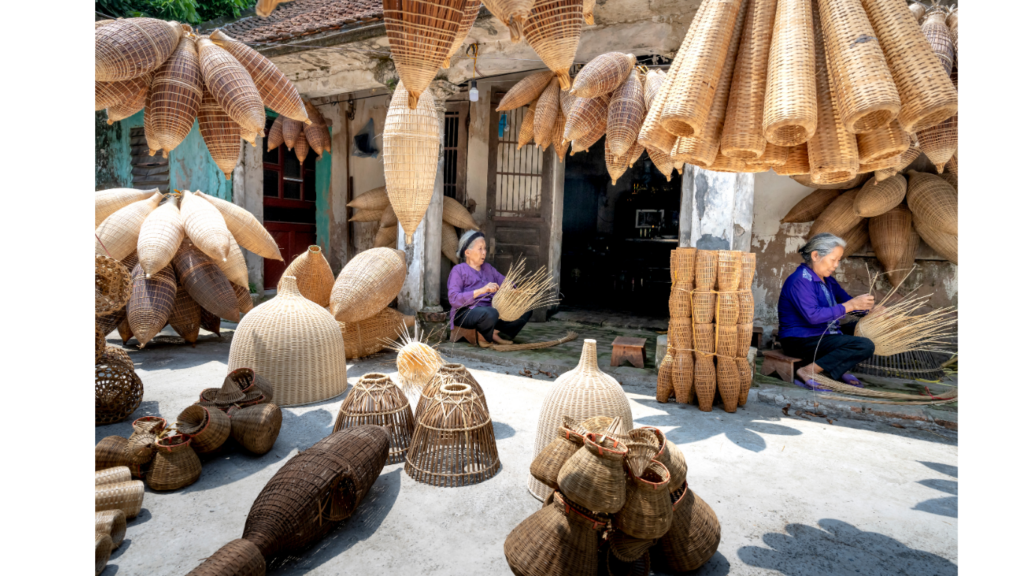
Bamboo weaving has been a vital craft in Vietnamese villages for hundreds of years, used to make baskets, mats, and fish traps. It represents ingenuity and sustainability in daily life. Bamboo weaving is still used in rural areas for making furniture and household items, preserving both skill and tradition.
Experience:
You’ll learn to split bamboo, soften the strips, and weave simple items such as trays or coasters. Workshops usually allow you to take your creation home. The activity is rhythmic and meditative, and watching your hands turn raw bamboo into a functional object is incredibly rewarding.
Who it’s for:
Great for those who enjoy mindfulness activities, crafting, or family-friendly workshops.
4. Lantern Making (Làm lồng đèn)
Cultural Background:
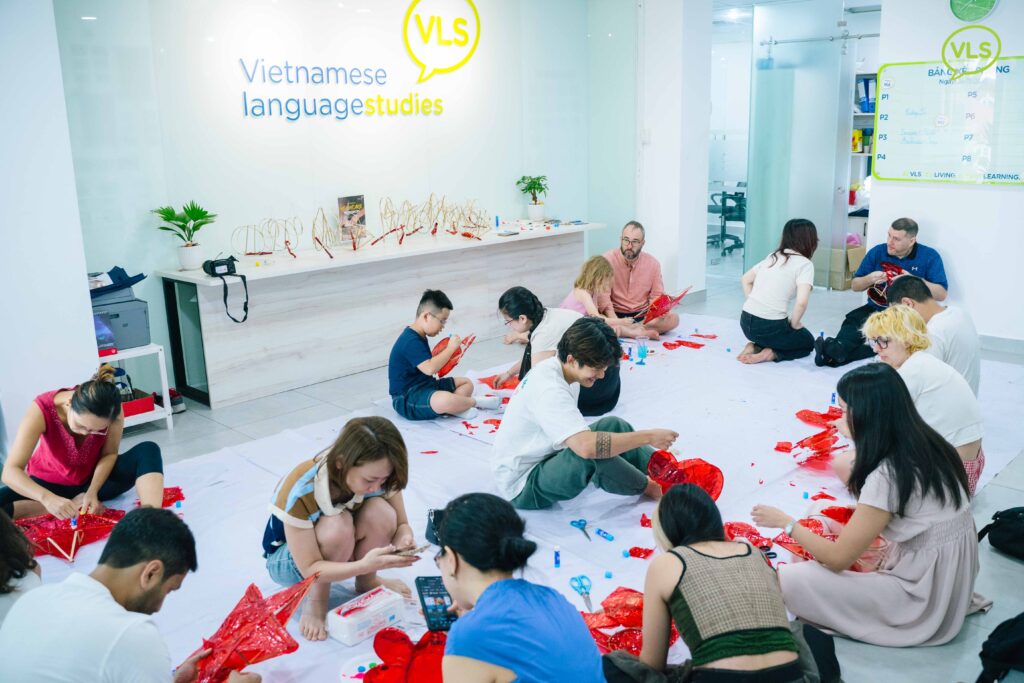
Lanterns have been an important part of Hội An culture for centuries, originally used for religious ceremonies and festivals. They symbolize hope, prosperity, and light in Vietnamese tradition. Hội An hosts a monthly Lantern Festival where your creation could inspire ideas for local designs.
Experience:
During the workshop, you assemble a lantern frame, cover it with silk or paper, and decorate it with traditional colors and patterns. Some workshops even allow you to add LED lights so your lantern can glow at night. It’s vibrant, photogenic, creative, and interactive.
Who it’s for:
Perfect for art lovers, Instagram enthusiasts, and anyone who enjoys colorful, hands-on projects.
5. Lotus Leaf Painting (Tranh lá sen)
Cultural Background:
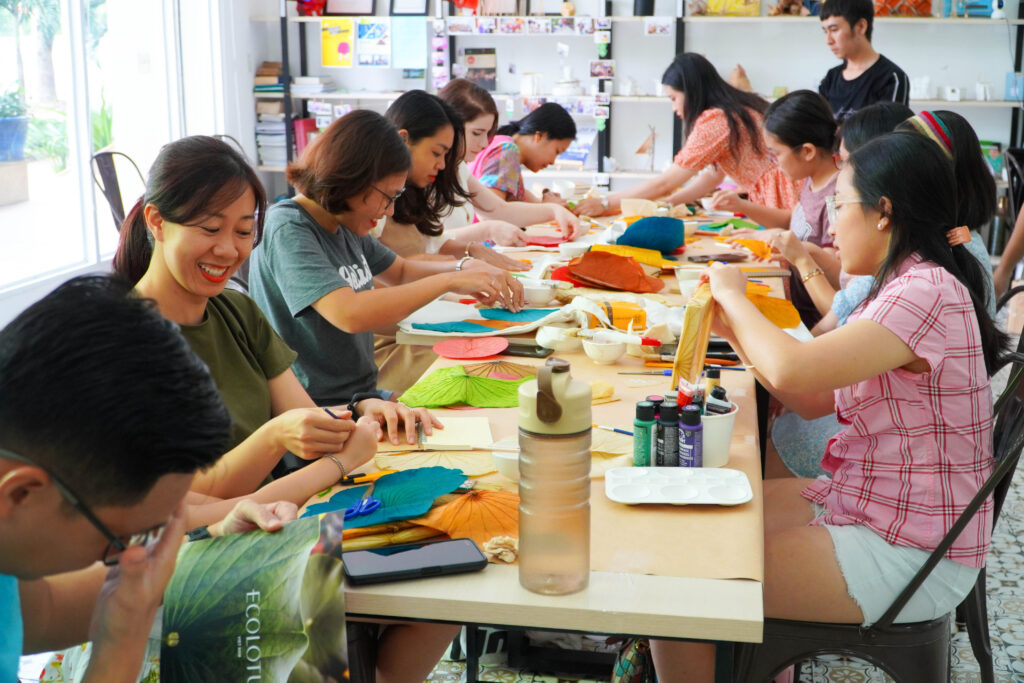
Lotus is a sacred symbol in Vietnam, representing purity and resilience. Artists have been using lotus leaves as a medium for decorative and symbolic art for decades, blending tradition with creativity.
Experience:
You’ll work with naturally dried lotus leaves and non-toxic dyes to create intricate patterns or scenic designs. Brushes and small tools allow you to paint delicate details. The process is calming and lets you take home a unique, eco-friendly artwork.
Who it’s for:
Ideal for travelers who enjoy painting, traditional art, or eco-friendly crafts.
6. Rice Painting (Tranh gạo)
Cultural Background:
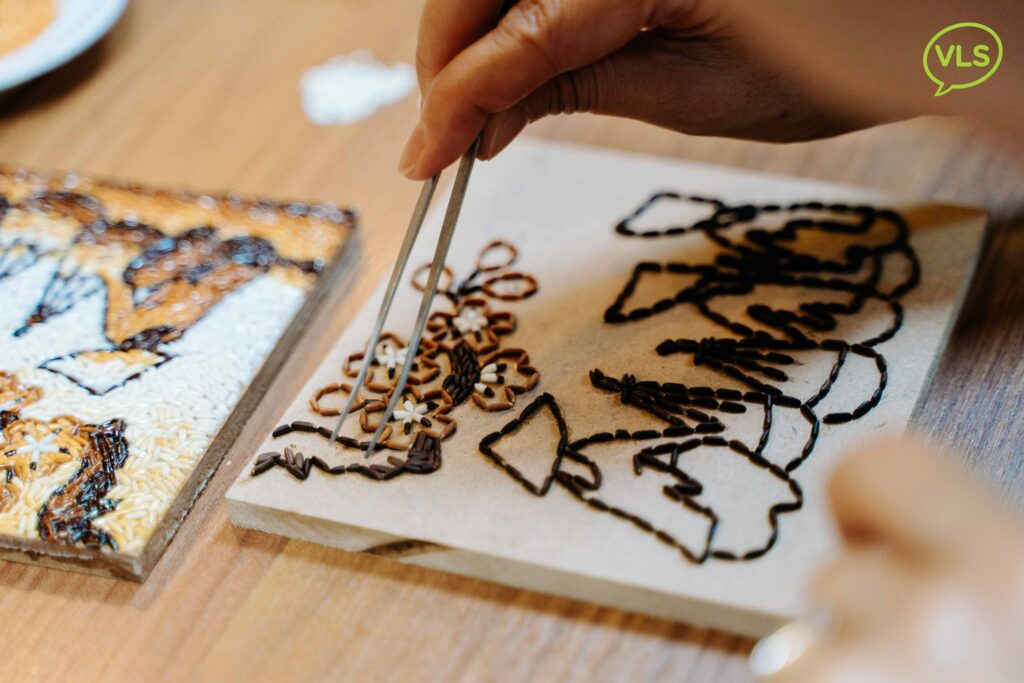
Rice is central to Vietnamese life, and rice painting uses colored rice grains to create folk art and traditional motifs. This craft has been passed down through generations, often used for home decoration, creatively celebrating heritage.
Experience:
You’ll use dyed rice grains and glue to form patterns on paper or canvas. This requires patience and focus but is incredibly rewarding. The designs can range from landscapes and flowers to symbolic Vietnamese imagery.
Who it’s for:
Great for anyone looking for a calm, creative experience, including families and solo travelers.
7. Making Bánh Chưng or Bánh Tét
Cultural Background:
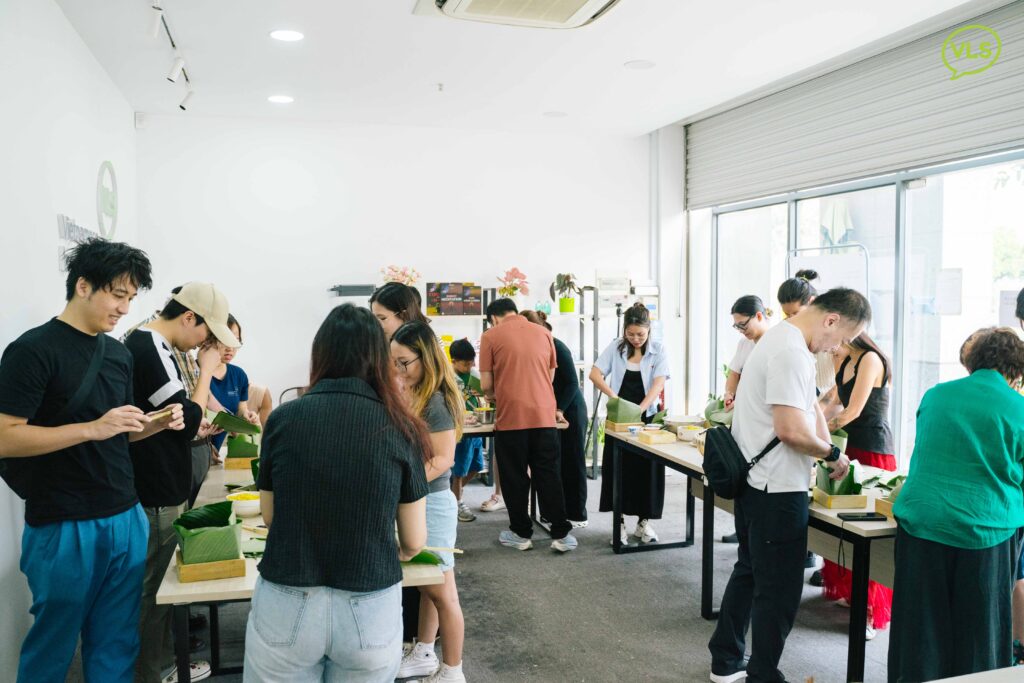
These square and cylindrical sticky rice cakes are iconic during Tết (Lunar New Year). They symbolize gratitude to ancestors and represent the earth and sky in Vietnamese culture, connecting families through tradition.
Experience:
You’ll soak glutinous rice, prepare mung beans and pork fillings, and wrap them in banana leaves. The workshop includes detailed guidance on folding techniques. After wrapping, the cakes are usually boiled or steamed, and you can enjoy tasting your own creation.
Who it’s for:
Perfect for food lovers, families, or anyone interested in Vietnamese holidays and culinary traditions.
8. Cooking Traditional Vietnamese Desserts
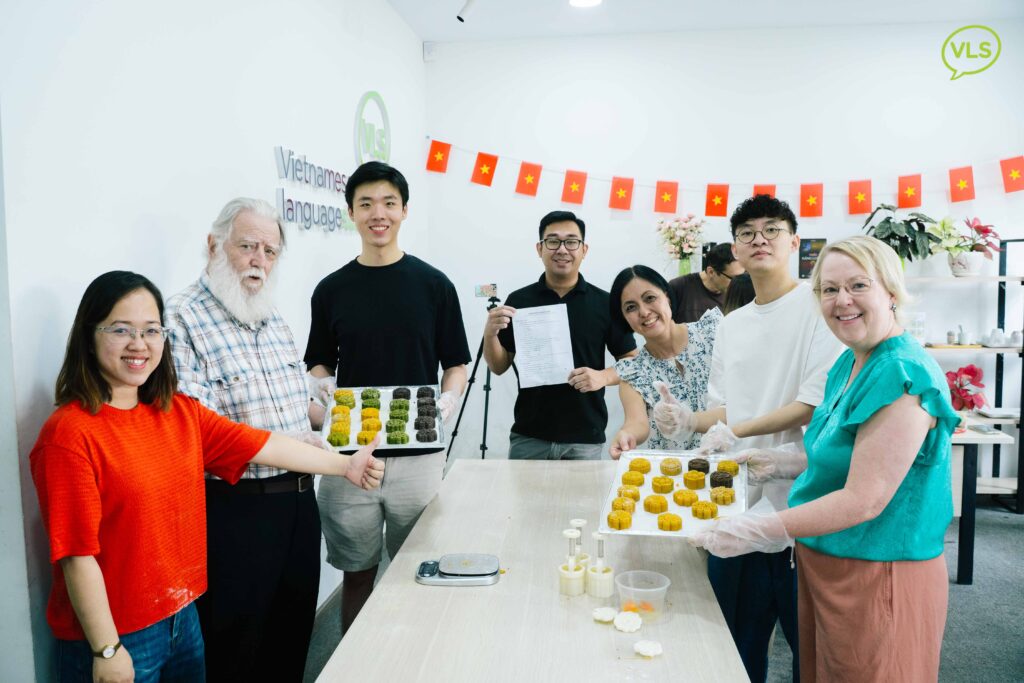
Cultural Background:
Vietnamese desserts like sweet soups and cakes have long been enjoyed during festivals and daily life. They reflect local ingredients and sweet flavors unique to Vietnamese culture.
Experience:
You’ll learn to prepare and cook one or more desserts, such as steamed cakes, sweet soups, or sticky rice treats. Workshops often include ingredient preparation, cooking techniques, and presentation tips.
Who it’s for:
Ideal for travelers with a sweet tooth or anyone interested in culinary experiences and Vietnamese flavors.
9. Calligraphy Workshop (Thư pháp)
Cultural Background:
Vietnamese calligraphy, influenced by Chinese and Nom script, has been practiced for centuries. Traditionally, calligraphy is associated with good luck, learning, and cultural expression. Calligraphy is especially popular around Tết, when people hang their work for good luck, celebrating both artistry and meaning.
Experience:
You’ll use brush and ink to write characters, learning stroke order and style. Classes often explain the meaning of each character, so you understand the cultural significance. Finished pieces can be framed or used as decorations, making the experience even more memorable.
Who it’s for:
Great for art lovers, language enthusiasts, or anyone who appreciates cultural symbolism.
10. Vietnamese Folk Games
Cultural Background:
Traditional games like nhảy sạp (bamboo dance), ô ăn quan (Mandarin square capturing), and (kéo co) tug-of-war have been played for centuries in villages, often during festivals. They’re important for social bonding and celebrating community life.
Experience:
You can participate in group activities and learn rules and techniques from locals. Nhảy sạp requires coordination and timing, while games like ô ăn quan stimulate strategy and teamwork. These activities are interactive, fun, and energetic.
Who it’s for:
Perfect for families, groups, or solo travelers wanting active and engaging cultural experiences.
Why These Activities Help You Explore Vietnam More Deeply
Vietnam is full of incredible sights, but to truly explore Vietnam and connect with its culture, participating in hands-on activities is key. These experiences go beyond sightseeing—they offer insight into local traditions, history, and daily life, providing a deeper understanding that no landmark alone can offer.
Connection with locals:
When you join a workshop or folk activity, you interact directly with artisans, chefs, or community members who have inherited these traditions. You learn their stories, understand their craft, and often receive tips passed down through generations. This personal connection transforms your trip from a series of photos into a meaningful cultural journey.
Deeper understanding of traditions:
By making a lantern, painting with rice, or preparing bánh chưng, you gain firsthand experience of Vietnamese customs. You understand why certain techniques, colors, or ingredients are used, and how these practices are linked to festivals, beliefs, and local history. These workshops are an authentic part of a Vietnam travel guide experience, offering context that brings the country’s culture to life.
Memorable experiences:
These activities are interactive, fun, and often surprisingly challenging. The satisfaction of finishing a hand-crafted product, tasting your own dessert, or performing a folk game leaves lasting memories. Unlike passive sightseeing, hands-on experiences engage all your senses — sight, touch, smell, and taste — making your exploration of Vietnam truly unforgettable.A unique perspective on Vietnam:
For travelers and expats who want more than the typical tourist experience, these workshops and cultural activities offer a unique way to explore Vietnam. They allow you to see daily life from a local perspective, appreciate craftsmanship, and discover traditions that rarely appear in guidebooks — making them some of the most authentic things to do in Vietnam.
Practical Tips for First-Timers
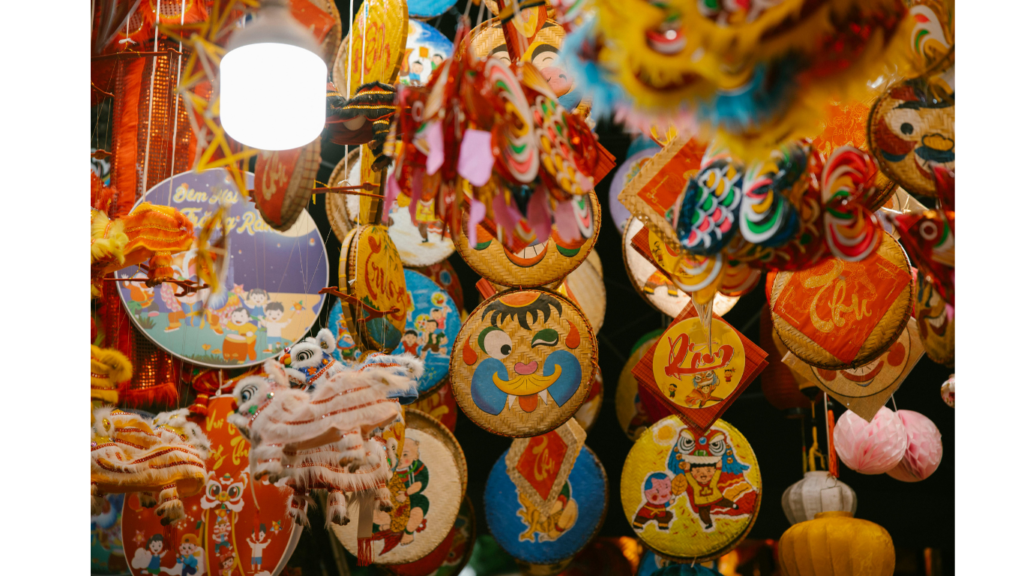
If this is your first time exploring Vietnam through traditional workshops and hands-on experiences, a little preparation can make your trip smoother and more enjoyable. Here’s a guide to help you get the most out of these cultural activities.
1. Book in advance when possible
Popular workshops — like lantern making in Hội An or pottery in Bát Tràng village —can fill up quickly, especially during weekends or holidays. Booking ahead not only secures your spot but sometimes offers small discounts, making your experience part of a well-planned Vietnam travel guide itinerary.
2. Know the duration and schedule
Most workshops last between 1–3 hours, though some, like cooking classes or folk game events, can take half a day. Check the schedule so you can fit multiple activities into your trip without feeling rushed while maximizing your opportunity to explore Vietnam fully..
3. Dress comfortably
Hands-on activities often involve clay, paint, rice, or food ingredients. Wear comfortable clothes that you don’t mind getting a little messy. Closed-toe shoes are recommended for pottery or bamboo weaving workshops.
4. Bring a small bag or container
Many workshops allow you to take your creations home. Bring a small bag, protective wrapping, or ask if the workshop provides packaging for fragile items like pottery or painted lanterns.
5. Engage with instructors and locals
Don’t be shy, ask questions, watch closely, and try tips from local artisans. These interactions are part of the charm and one of the most rewarding aspects of authentic things to do in Vietnam.
6. Keep your camera ready
Hands-on experiences are highly photogenic. Capture your creations in progress, group moments during folk games, or the vibrant colors of lanterns and paintings. These photos make for memorable highlights in your Vietnam travel guide journey.
7. Be patient and enjoy the process
Some crafts, like rice painting or calligraphy, require patience and steady hands. Don’t rush, focus on the experience rather than perfection. The goal is to enjoy a unique way to explore Vietnam and create lasting memories.
The Best Things to Do in Vietnam for Meaningful Travel

As you explore Vietnam through these workshops, you’ll quickly notice how language and culture come together. Simple Vietnamese expressions, everyday words, and warm local greetings make each moment more authentic and memorable — the kind of depth you won’t always find in a typical Vietnam travel guide.
Many travelers discover that understanding even a little Vietnamese opens doors to deeper conversations, richer experiences, and a more personal connection with the people who share their craft and traditions. It turns some of the most meaningful things to do in Vietnam into moments that feel truly local.If you ever feel curious to go beyond the surface, learning Vietnamese becomes not just a skill but a meaningful part of your cultural journey in Vietnam.