
Table of Contents
Why Cultural Etiquette Matters in Vietnam’s Workplace

In today’s interconnected world, business success is no longer based solely on professional skills or technical expertise. For professionals entering Vietnam’s fast-growing economy, understanding cultural etiquette at work is just as important as mastering spreadsheets, presentations, or negotiations.
Many expats discover that challenges in Vietnam come less from technical expertise and more from adjusting to work etiquette in Vietnam, where cultural norms shape everyday interactions. Misunderstandings about how to greet a manager, how decisions are made, or how to behave in a team meeting can unintentionally create tension.
Mastering work etiquette in Vietnam enables professionals to build trust, strengthen their networks, and avoid making uncomfortable mistakes. More importantly, it demonstrates respect for Vietnamese colleagues and shows a willingness to integrate into local business culture.
This article provides a comprehensive guide to business Vietnamese etiquette, covering greetings, hierarchy, communication styles, meetings, and after-work socializing, so that you can navigate Vietnam’s workplace confidently and effectively. Success also requires mastering business Vietnamese in emails, meetings, and negotiations.
Communication and Hierarchy in Vietnamese Work Culture

Communication in Vietnam is not just about exchanging information; it reflects respect, hierarchy, and social harmony. From greetings to everyday workplace interactions, the way people express themselves carries layers of meaning that go beyond words. It is both a tool for sharing ideas and a reflection of relationships, where tone, timing, and subtlety often matter as much as the message itself.
Greetings and Addressing Colleagues
In professional settings, greetings set the tone for relationships. Instead of using bare first names, Vietnamese colleagues usually add respectful titles before a name:
- “Anh” (older brother) for men at your age or older than you
- “Chị” (older sister) for women at your age or older than you
For example, an older colleague named Huy would be addressed as “anh Huy” rather than just “Huy.” Using titles like “anh” or “chị” is more than formality; it’s part of cultural etiquette at work that signals respect. Dropping the title may sound abrupt or overly casual, and can unintentionally signal disrespect. Similarly, when asking for help or calling someone’s attention, it is common to begin with a respectful form of address, such as “anh ơi” or “chị ơi”, instead of going straight into the request. This practice reflects Vietnam’s deep-rooted sense of hierarchy, influenced by traditional values that emphasize respect for elders and authority.
Hierarchy and Respect in Workplace Communication
Age, job position, and seniority strongly shape how colleagues interact in Vietnam, not only in meetings but also in daily conversations. Communication is often framed in a way that balances respect with clarity. Junior employees may choose softer phrasing, add polite particles, or use honorifics to show deference, while seniors are expected to respond with guidance and encouragement rather than blunt criticism. This two-way dynamic helps maintain workplace harmony, where everyone can contribute without disrupting established hierarchies.
For expats, showing awareness of this system – through attentive listening, respectful phrasing, and small gestures like letting seniors enter the room first – demonstrates cultural sensitivity and builds respect.
Indirect Communication Style
Indirect phrasing is central to business Vietnamese communication, where a polite smile or soft wording can carry as much meaning as a direct answer. To maintain harmony and avoid confrontation, colleagues may avoid saying “no” directly.
Body language, facial expressions, and tone of voice also carry significant meaning. A pause, a hesitant nod, or a slight smile might signal reluctance or disagreement. Reading these subtle cues is part of mastering cultural etiquette at work in Vietnam. This subtle approach reflects not only linguistic habits but also the expectations of cultural etiquette at work in maintaining harmony.
By combining respectful greetings, sensitivity to hierarchy, and attention to indirect communication, professionals can prevent misunderstandings and cultivate both respect and rapport with Vietnamese colleagues. For professionals aiming to succeed, mastering indirect phrasing is as important as learning grammar — it’s at the heart of business Vietnamese communication and reflects deep cultural values.
Meetings and Decision-Making

Work meetings in Vietnam are often structured around respect, patience, and consideration for hierarchy. While some Western workplaces encourage highly dynamic debates where anyone can speak up without hesitation, Vietnamese meetings typically emphasize order and harmony.
Interrupting others is discouraged, and participants, especially junior employees, may wait for the right moment or for an invitation to speak. This does not mean that ideas are unwelcome. On the contrary, many managers value contributions from the whole team, but expect them to be expressed in a way that respects the flow of discussion and the authority of senior colleagues.
Showing attentiveness by listening carefully before speaking is a sign of professionalism. When juniors present their opinions, they often phrase them diplomatically, acknowledging the perspectives of seniors first, then adding their own viewpoint. This communication style reflects work etiquette in Vietnam, allowing space for input while maintaining the respectful tone that Vietnamese culture values.
When it comes to decision-making, senior leaders or managers usually hold the final responsibility. This reflects both organizational hierarchy and the cultural expectation that those with more experience and higher authority take the lead. However, discussions and suggestions from team members often inform those final decisions. For expats, it is important to understand that even if the decision rests at the top, contributions from the team are still meaningful and can shape outcomes.
By adapting to this rhythm – listening actively, offering input with tact, and respecting the chain of command – foreign professionals can participate fully without causing tension. Over time, this approach fosters not only smoother collaboration but also genuine appreciation from Vietnamese colleagues for your cultural sensitivity.
Business Socializing: Building Trust Beyond the Office
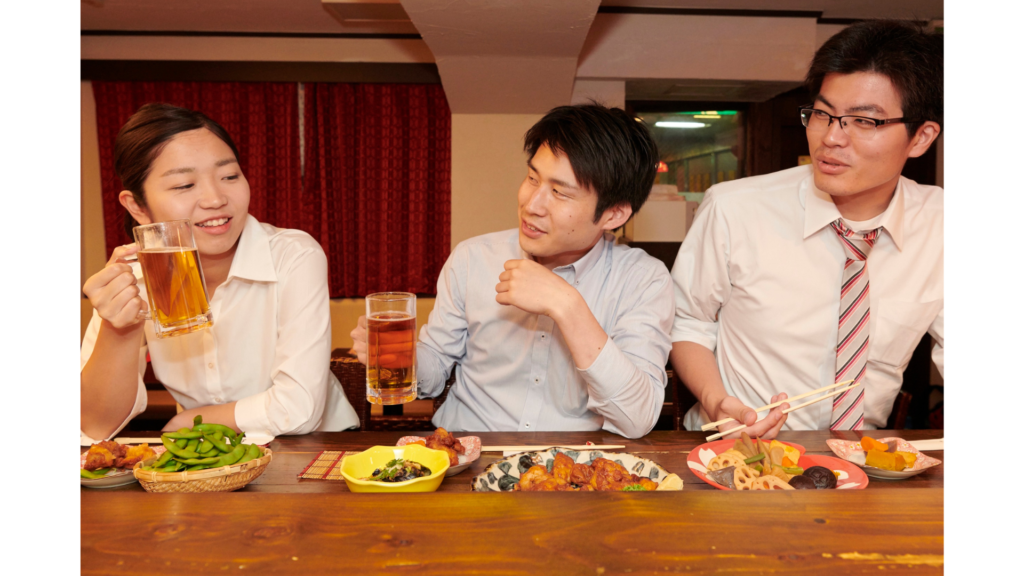
In Vietnam, professional relationships often extend well beyond office hours. After-work gatherings such as dinners, weekend meals, karaoke sessions, or the popular “nhậu” (informal drinking and dining) are more than just social occasions – they are a natural part of workplace bonding. These activities create a relaxed environment where colleagues can share personal stories, laugh together, and open up in ways that formal office settings do not always allow.
For many Vietnamese teams, these outings are essential for strengthening camaraderie and mutual understanding. They help colleagues feel more connected on a human level, breaking down barriers of age, title, or department. By spending time together outside of work, teams often build the kind of trust and ease that leads to smoother cooperation back in the office.
A unique feature of Vietnamese business culture is that important discussions, sometimes even contract negotiations or partnership deals, can take place over meals. Sharing food and drinks creates a comfortable atmosphere where both sides feel more at ease, and conversations often flow more naturally than across a formal meeting table. While alcohol may be present, the deeper purpose is not about drinking but about fostering genuine connection and reaching understanding.
Participation is never strictly mandatory, but joining these gatherings, whether you drink alcohol or not, signals openness and willingness to connect. Even if you prefer not to drink, your presence at the table, enjoying food and conversation, is more than enough to strengthen rapport.
For expats, embracing these social traditions is one of the best ways to gain insider access to workplace dynamics. What may not be openly discussed in a meeting room often surfaces in a casual dinner conversation. These occasions provide valuable opportunities to build deeper relationships, cultivate long-term trust, and experience Vietnamese business culture in its most authentic form.
Practical Tips for Mastering Business Vietnamese Etiquette
To summarize the key strategies for navigating work etiquette in Vietnam:
- Learn basic Vietnamese greetings and titles – show respect by using “anh”, “chị”, and other honorifics.
- Acknowledge hierarchy – defer to senior colleagues, listen carefully, and avoid public contradiction.
- Communicate with sensitivity – recognize indirect signals and avoid pushing for blunt answers.
- Respect meeting dynamics – be patient, avoid interruptions, and allow leaders to guide decision-making.
- Join social gatherings – meals and “nhậu” help build personal trust, which strengthens business ties.
These practices may seem small individually, but together they create a foundation of respect and camaraderie, making your professional journey in Vietnam more rewarding.
Unlocking Success Through Cultural Etiquette
Vietnam’s business environment is dynamic, welcoming, and full of opportunity. But success here requires more than professional expertise; it requires cultural intelligence. By mastering cultural etiquette at work, professionals can avoid misunderstandings, foster stronger workplace relationships, and open doors to long-term collaboration.
Understanding Vietnamese business culture involves more than just mastering grammar and vocabulary. It is about capturing the subtle differences in word choice, tone, and phrasing that signal professionalism, respect, and suitability in a workplace context. In Vietnam, a single phrase can carry very different nuances depending on how it is expressed, and those nuances matter deeply in business communication.
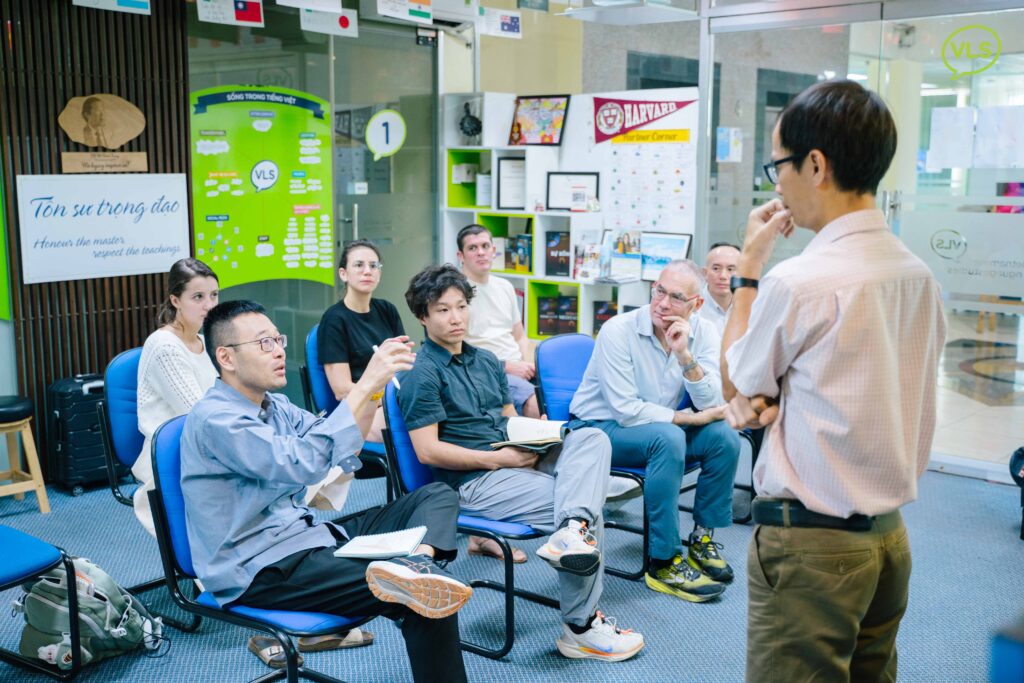
At Vietnamese Language Studies (VLS), we specialize in helping professionals bridge this gap. Our Business Vietnamese courses are fully customized according to industry, job function, and specific workplace needs. These programs focus on the real language of the office – emails, negotiations, meetings, and client communication – so learners gain the exact skills they need to succeed in their own field.
Beyond language, VLS also offers a monthly Vietnamese Culture and Mentality course, which covers diverse topics that shed light on the unspoken rules of interaction, professional etiquette, and cultural values. Many of these sessions are tailored to highlight the business Vietnamese culture, giving expats and organizations the practical insights required to thrive.
With this unique combination of workplace-focused language training and in-depth cultural understanding, VLS equips professionals with more than fluency – we provide the tools to navigate Vietnam’s business world with confidence, respect, and long-term impact. Ready to take the next step? Contact VLS today to discover how our Business Vietnamese and cross-cultural programs can help you succeed in Vietnam’s workplace.

Unlock the power of HPE Morpheus with the https://www.examstrust.com/product-detail/hpe2-t39-cert-exam.html Morpheus VM Essentials Software. This comprehensive solution simplifies hybrid IT environments, enabling seamless management of virtual machines. Automate, scale, and optimize your infrastructure with ease, driving innovation and efficiency across your organization. Ideal for IT professionals looking to enhance cloud operations and infrastructure management.
https://shorturl.fm/jKd0W
1001juego is a blast from the past! Remember playing flash games on the school computers? This site brings back all those memories. Definitely worth a look for a quick gaming fix 1001juego.
Alright, s6666bet is on my radar now. Gave it a spin and gotta say, the odds seem pretty decent. Depositing was smooth too. Good stuff! Find it here: s6666bet