
Vietnam is an exciting destination for French expats and tourists alike. Whether you’re planning to stay long-term or just visiting, learning the Vietnamese language can enhance your experience, help you connect with locals, and make your everyday life much easier. Fortunately, if you’re a French speaker, you have a unique advantage when learning Vietnamese—due to the presence of numerous French loanwords in the Vietnamese vocabulary. In this blog, we will explore how this linguistic connection can make learning Vietnamese easier for French speakers and provide examples of words that have French origins.
Table of Contents
French Expats and Loanwords: The French Influence on the Vietnamese Language
(Source: collected)
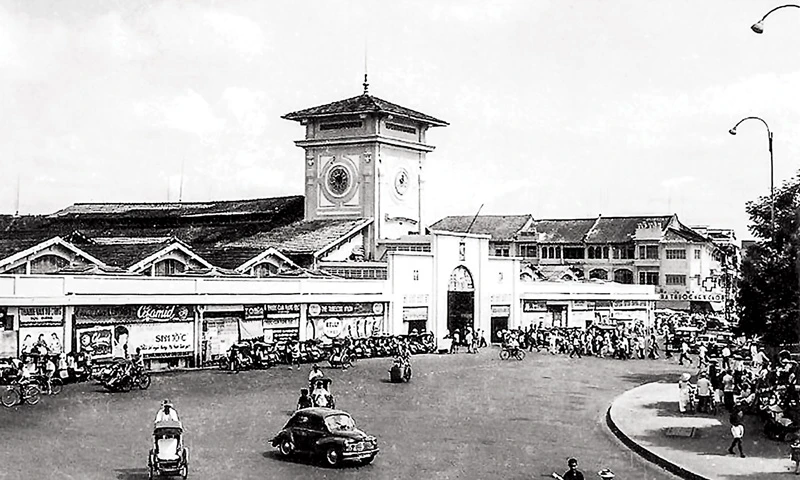
Vietnam was a French colony from the mid-19th century until 1954, a period during which the French language was introduced and significantly influenced Vietnamese. This cultural and linguistic exchange led to the adoption of many French words, particularly to describe concepts or items that were new to Vietnam at the time. These borrowed words were often adjusted to match the phonetic and spelling conventions of Vietnamese, resulting in changes to both pronunciation and orthography. Despite these adjustments, many of these words still closely resemble their French origins, making them recognizable to speakers of both languages.
Although French colonial rule officially ended in 1954, the French influence on the Vietnamese language persists today. Even after decades of independence, a wide range of French loanwords continues to be used in Vietnamese, which also helps French speakers more easily learn and understand the language.
French expats enjoy unique linguistic advantages through Vietnamese loanwords from French

If you’re a French expat or tourist in Vietnam, you might be surprised to hear how many Vietnamese words come directly from the French language. Here are some common examples, categorized by field, to highlight the various areas where French influence can still be seen in the Vietnamese language:
1. Food and Drink
- Ba tê – Pâté (from French “pâté”)
- Bánh ga tô – Cake (from French “gâteau”)
- Bia – Beer (from French “bière”)
- Bít tết – Steak (from French “bifsteck”)
- Bơ – Butter (from French “beurre”)
- Ca cao – Cocoa (from French “cacao”)
- Cà phê – Coffee (from French “café”)
- Cà rốt – Carrot (from French “carotte”)
- Giăm bông – Ham (from French “jambon”)
- Kem – Ice cream (from French “crème”)
- Mù tạt – Mustard (from French “moutarde”)
- Pho mát – Cheese (from French “fromage”)
- Sơ ri – Cherry (from French “cerise”)
- Xa lát – Salad (from French “salade”)
- Xúc xích – Sausage (from French “saucisse”)
2. Fashion and Apparel
- Áo bờ lu – Blouse (from French “blouse”)
- Áo may ô – Maillot (from French “maillot”)
- Gi lê – Vest (from French “gilet”)
- Khuy măng sét – Cufflink (from French “manchette”)
- Sơ mi – Shirt (from French “chemise”)
- Vét-tông – Suit (from French “veston”)
- Xi líp – Underwear (from French “slip”)
- Com-lê – Suit (from French “complet”)
- Đờ-mi – Half (from French “demi”)
3. Medicine and Health
- A-xít – Acid (from French “acide”)
- Coóc-ti-cô-ít – Corticoid (from French “corticoïde”)
- Li-pít – Lipid (from French “lipide”)
- Pê-ni-xi-lin – Penicillin (from French “pénicilline”)
- Vắc xin – Vaccine (from French “vaccin”)
- Vi-ta-min – Vitamin (from French “vitamine”)
4. Music and Arts
- Ghi-ta – Guitar (from French “guitare”)
- Măng đô lin – Mandolin (from French “mandoline”)
- Vi ô lông – Violin (from French “violon”)
5. Engineering and Technology
- Ban công – Balcony (from French “balcon”)
- Bê tông – Concrete (from French “béton”)
- Cờ lê – Wrench (from French “clé”)
- Ê tô – Vice (from French “étau”)
- Mỏ lết – Spanner (from French “molette”)
- Ô văng – Awning (from French “auvent”)
- Ống típ – Tube (from French “tube”)
- Ta luy – Slope (from French “talus”)
- Tôn – Tin (from French “tôle”)
- Tuốc-nơ-vít – Screwdriver (from French “tournevis”)
6. Military
- Boong ke – Bunker (from French “bunker”)
- Lô cốt – Blockhouse (from French “blockhaus”)
- Quy lát – Gun breech (from French “culasse”)
- Xe tăng – Tank (from French “tank”)
7.Miscellaneous
- Bi đông – Water bottle (from French “bidon”)
- Bi da – Billiards (from French “billard”)
- Búp bê – Doll (from French “poupée”)
- Cải xoong – Watercress (from French “cresson”)
- Chó béc-giê – German shepherd (from French “berger”)
- Công te nơ – Container (from French “container”)
- Ga – Train station (from French “gare”)
- Mít tinh – Meeting (from French “meeting”)
- Sạc – Charger (from French “charge”)
- Tắc xi – Taxi (from French “taxi”)
- Xà phòng – Soap (from French “savon”)
- Xăng – Gasoline (from French “essence”)
- Xì căng đan – Scandal (from French “scandale”)
- Xô viết – Soviet (from French “soviet”)
- Ri-đô – Curtain (from French “rideau”)
- Gạc-măng-rê – Pantry (from French “garde-manger”)
- Ghi đông – Bicycle handlebars (from French “guidon”)
These are just a few examples, but there are many more words in Vietnamese that have their origins in the French language. The adoption of these loanwords into Vietnamese not only reflects the cultural and historical connections between the two countries but also serves as a bridge for French speakers looking to master the Vietnamese language.
Why French Expats Have an Advantage in Learning Vietnamese
For French expats or tourists in Vietnam, learning Vietnamese can be a bit easier compared to speakers of other languages, thanks to the historical and linguistic ties between French and Vietnamese. While there are certainly challenges, French speakers can leverage a number of advantages to speed up the learning process. However, it’s important to recognize that there are also distinct challenges to overcome. Let’s take a look at both the pros and cons.
Pros:
- Familiar Vocabulary
One of the biggest advantages for French speakers is the significant number of Vietnamese words that are borrowed from French. As shown in the examples above, terms like bánh mì (from French “pain de mie”), bơ (from French “beurre”), and cà phê (from French “café”) are part of the everyday Vietnamese lexicon. This familiarity allows French speakers to quickly build their vocabulary and understand many words with ease, giving them a solid foundation to start learning the language. - Pronunciation Similarities
Some of the loanwords from French in Vietnamese retain their original pronunciation or are very close, which can be an advantage for French speakers when it comes to speaking. For example, words like búp bê (doll, from French “poupée”) or sơ mi (shirt, from French “chemise”) are easy for French speakers to pronounce. While Vietnamese is a tonal language with distinct phonetic rules, the recognition of these French-derived words can make the pronunciation feel more intuitive, reducing the learning curve for French speakers in certain areas. - Linguistic Bridge
While Vietnamese grammar is very different from French grammar, the familiarity of French loanwords helps in terms of building vocabulary and establishing basic communication skills. Additionally, certain sentence structures, especially in formal contexts, might feel a little more familiar to French speakers, which can make the process of learning Vietnamese grammar a bit less intimidating.
Cons:
- Different Grammar Structure
One of the most significant challenges for French speakers learning Vietnamese is the difference in grammar. Unlike French, Vietnamese does not have verb conjugations, gendered nouns, or tenses in the same way. Sentence structure in Vietnamese is also quite different, as it typically follows a subject-verb-object order, with no inflection for tense, which can be a challenge for French speakers accustomed to more complex grammatical structures. These differences require learners to completely rethink how they approach sentence construction and understanding grammar. - Tonal Language
Vietnamese is a tonal language, meaning the pitch or intonation used when pronouncing a word can completely change its meaning. This is a major hurdle for French speakers, as French is not a tonal language. Mastering the six tones in Vietnamese can take time and practice, particularly for those who are not used to distinguishing between high, low, rising, and falling tones. This is an area where French speakers may initially struggle, as it introduces an entirely new aspect to pronunciation. - Cultural Differences in Language Use
Vietnamese has a strong cultural influence on its language, particularly in terms of politeness, honorifics, and the way language changes based on the formality of a situation. There are various ways of addressing people depending on their age, social status, and relationship to you. French speakers may find this aspect of the language difficult to navigate, as it requires an understanding of cultural norms that differ significantly from the more straightforward nature of French social interactions. - A Lot of New Concepts to Learn
Beyond vocabulary, French speakers will need to learn entirely new concepts, including the use of classifiers (words used to count objects based on their category), word order in different contexts, and the subtleties of tonal pronunciation. These are elements that don’t have direct equivalents in French, and mastering them can be a long-term process.

For French speakers eager to dive into learning Vietnamese, a short- or long-term course at Vietnamese Language Studies (VLS) can be a great way to get started. Whether you prefer an online course or an on-campus experience in Ho Chi Minh City, VLS offers flexible courses that can be tailored to meet your needs. The instructors at VLS are experienced in teaching Vietnamese to foreign learners, and they are familiar with the challenges French speakers may face. VLS can guide you through the complexities of the language and help you build confidence in both speaking and understanding Vietnamese.
By enrolling in a course at VLS, you’ll gain the support and structure necessary to tackle the language’s unique aspects, from its tonal pronunciation to its cultural intricacies, in a way that suits your learning style and schedule.
French Expats Advantage: French Loanwords Remain Commonly Used in Vietnam Today

Even in modern-day Vietnam, many of the French loanwords that entered the language during the colonial period are still in common use. From everyday items like xe buýt (bus) and cà phê (coffee) to more specific terms like sơ mi (shirt) and búp bê (doll), these words have become so ingrained in the Vietnamese language that they are used naturally by speakers of all generations.
For French expats, this linguistic overlap can be incredibly helpful when learning Vietnamese. If you already know these French-derived words, you’ll have an easier time navigating conversations and understanding Vietnamese texts. This connection between the two languages can act as a linguistic anchor, making it easier to learn new vocabulary and build upon existing knowledge.
Embrace Your French Advantage as a French Expat or Tourist in Vietnam

As a French expat or tourist in Vietnam, you are in a unique position to learn Vietnamese faster and more efficiently than many other non-Vietnamese speakers. The influence of French on the Vietnamese language, through loanwords, provides you with a clear advantage. By leveraging the familiarity of French-derived vocabulary and understanding the historical context, you can quickly enhance your language skills and immerse yourself more fully in Vietnamese culture.
Vietnamese is a rich and vibrant language, and while it may present challenges, French speakers can take advantage of the many loanwords from French to accelerate their learning process. So, whether you’re planning to live in Vietnam for an extended period or just visiting, don’t hesitate to embrace the language—your French background gives you a solid foundation to build upon!


Website Scam Penipu Indonesia, situs stm88 penipu SITUS SEXS
situs toto
[…] >>>>> Discover more: Discover How French Expats in Vietnam Can Leverage Their Language Skills to Learn Vietnamese Faster […]
Prepare for your CDCP certification with expert-designed resources that ensure success on your first try. Each topic is structured to enhance your understanding of data center operations and reliability. The CDCP Exam Questions from VALID4SURE are updated, accurate, and reflect real exam scenarios to strengthen your preparation. With these verified questions, you can identify weak areas, practice effectively, and boost your confidence to achieve the CDCP credential and advance your professional career.
What’s up peeps? Signing up at phdream6register was a breeze. Straightforward process, no BS. Got started and playing pretty quick. You can start too at phdream6register.
Trying to find a reliable Bong88 agent and found 1gomcombong88. Looks legit. Anyone else using them? Give it a shot: 1gomcombong88
Just checked u888abcvip. The layout is clean. Going to explore the details and see how it fares. You may want to check it here too: u888abcvip
King98bet popped up on my feed. Gonna do some digging and see if it is all the hype. Will probably put it out if it’s alright. Give it a try here: king98bet
Venetocasino… Okay, so the graphics are pretty slick and the game selection is decent. Bonuses could be better, though. Still, a solid option for a casual spin. Give it a try: venetocasino