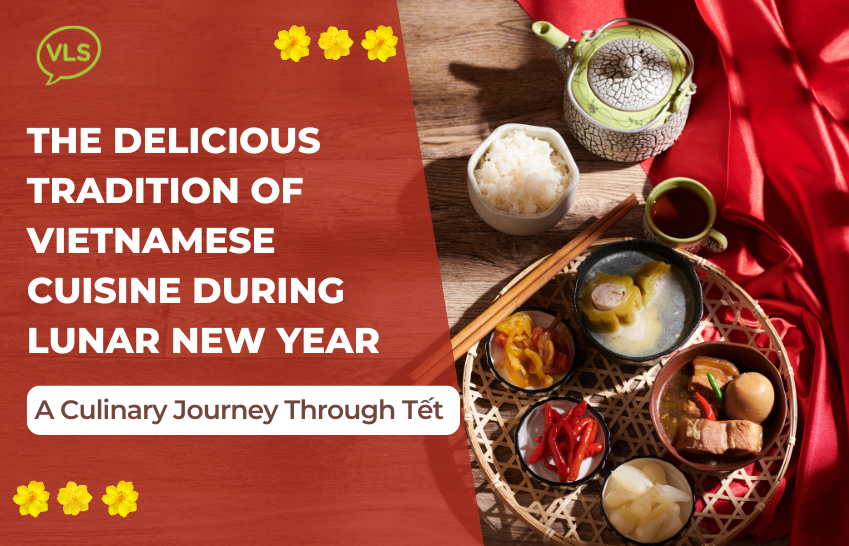
Vietnamese Lunar New Year, or Tết Nguyên Đán, is the most significant holiday in Vietnam, a time for family reunions, paying respects to ancestors, and celebrating the arrival of spring. It’s also a time when the country’s rich culinary traditions shine through, with a variety of dishes prepared and enjoyed during the festive season. Among these, sticky rice cakes (bánh chưng, bánh tét) hold a central place in the festivities, symbolizing both the earth and the sky, and offering a delicious taste of Vietnamese culture.
This blog will explore some of the key dishes of Vietnamese cuisine during Tết, with a special focus on the iconic sticky rice cakes and highlight a unique opportunity to learn how to make them during the Vietnamese Lunar New Year workshop hosted by VLS.
Table of Contents
Vietnamese Cuisine Traditions for Lunar New Year
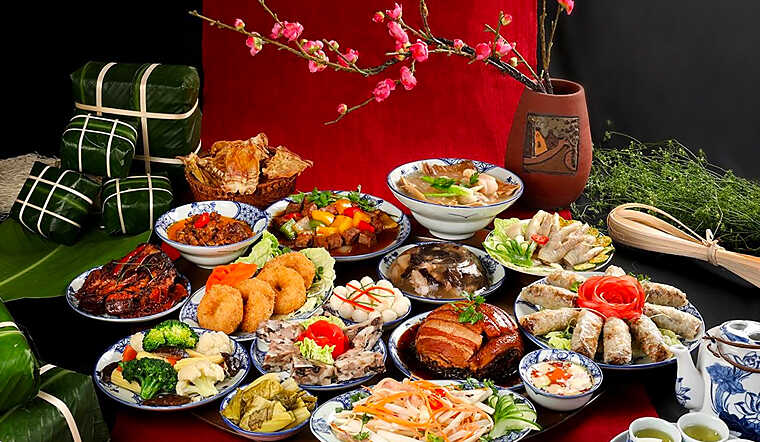
Tết marks the beginning of the Lunar calendar, typically falling between late January and early February, and it’s the occasion for families to gather, honor ancestors, and prepare meals that will bring prosperity in the new year. Food during Tết is not just about taste—each dish carries symbolic meanings, often tied to hopes for health, happiness, wealth, and good fortune in the year to come.
The foods associated with Tết are abundant and diverse, with each region of Vietnam adding its own local twist to the holiday feast. From sweet treats to savory dishes, the shared thread among these foods is the importance of family and tradition. But one dish reigns supreme: the sticky rice cake (bánh chưng and bánh tét).
Iconic Vietnamese Cuisine for Lunar New Year
While bánh chưng and bánh tét are undoubtedly the stars of Tết cuisine, several other dishes complete the festive spread. Each of these dishes carries its own symbolism:
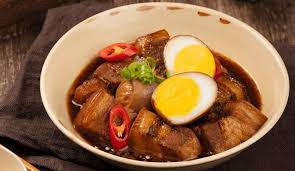
- Thịt kho hột vịt (Caramelized Pork and Eggs): One of the most iconic and beloved dishes during Tết is thịt kho hột vịt. This dish is made by simmering pork belly in a rich, sweet-salty sauce made from coconut water, fish sauce, sugar, and spices. Hard-boiled eggs are added, absorbing the flavorful sauce. The dish is typically served with steamed rice and is a symbol of prosperity, harmony, and family unity. The caramelized pork, with its rich, golden-brown color, represents wealth and good fortune in the coming year.
- Canh khổ qua (Bitter gourd soup): As a belief of eating this dish can leave all the difficulties, sadness, misfortune behind to enter a new fresh and more happy year (khổ = difficulties, qua = overcome), Vietnamese specially prepares this dish.

- Gà luộc (Vietnamese boiled chicken): A simple yet beloved dish, boiled chicken represents purity and is often used in the ceremonial offerings to ancestors. It is typically served with rice and a dipping sauce made from fish sauce, lime, and chili.

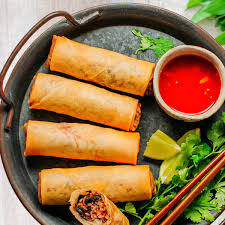
- Nem rán or Chả giò (Vietnamese spring rolls): These crispy delights are a festive favorite. Filled with a variety of ingredients such as pork, shrimp, and vegetables, these rolls are symbolic of wealth and prosperity. The golden color of the fried spring rolls represents the hope for a prosperous year ahead.
Bánh Chưng and Bánh Tét: The Heart of Vietnamese Cuisine
Two types of sticky rice cakes—bánh chưng and bánh tét—are at the center of Tết celebrations. These cakes, made primarily of glutinous rice, mung beans, and pork, are wrapped in banana leaves and carefully steamed over several hours. They are not only a delicious treat but also a representation of Vietnam’s cultural values.
- Bánh Chưng: Originating from the northern regions of Vietnam, bánh chưng is square-shaped, symbolizing the Earth. According to Vietnamese mythology, the cake honors the Earth as the provider of life. The square shape represents the Earth’s stability and the idea that the Earth is flat. Traditionally, families in the north make these cakes in large batches, preparing them for offerings to ancestors as well as sharing them with loved ones during the New Year festivities.
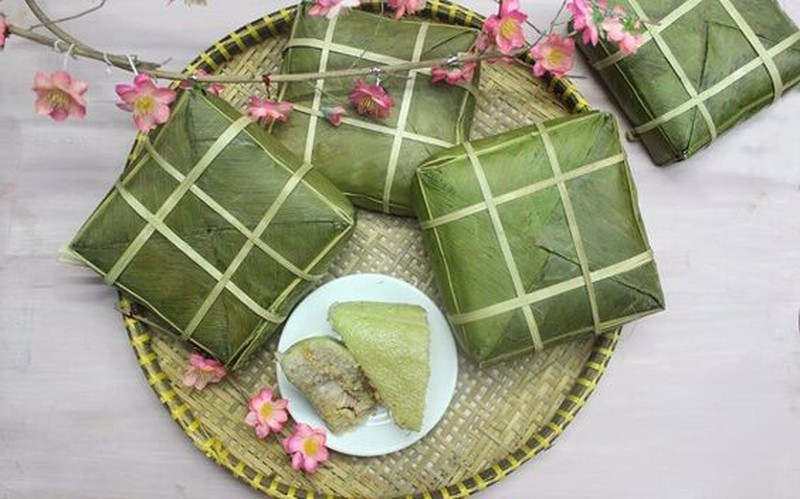
- Bánh Tét: In southern Vietnam, bánh tét is more common. This variation of the sticky rice cake is cylindrical and represents the sky. The round shape of bánh tét symbolizes the cyclical nature of life, and its elongated form echoes the aspirations for longevity and prosperity. The filling of bánh tét is similar to bánh chưng—glutinous rice, mung beans, and pork—but can also include other variations, such as salted egg or even banana for a sweet twist.

Both types of sticky rice cakes are made by layering glutinous rice with mung beans and pork, then wrapping the mixture tightly in banana leaves before steaming. The process of making these cakes is often a family affair, with relatives gathering together to prepare them, making it a time of bonding and cooperation. The cakes are then offered to ancestors as part of Tết celebrations, symbolizing respect, gratitude, and a wish for good fortune in the coming year.
Participate in a Vietnamese Traditional Sticky Rice Cake Making Workshop with VLS
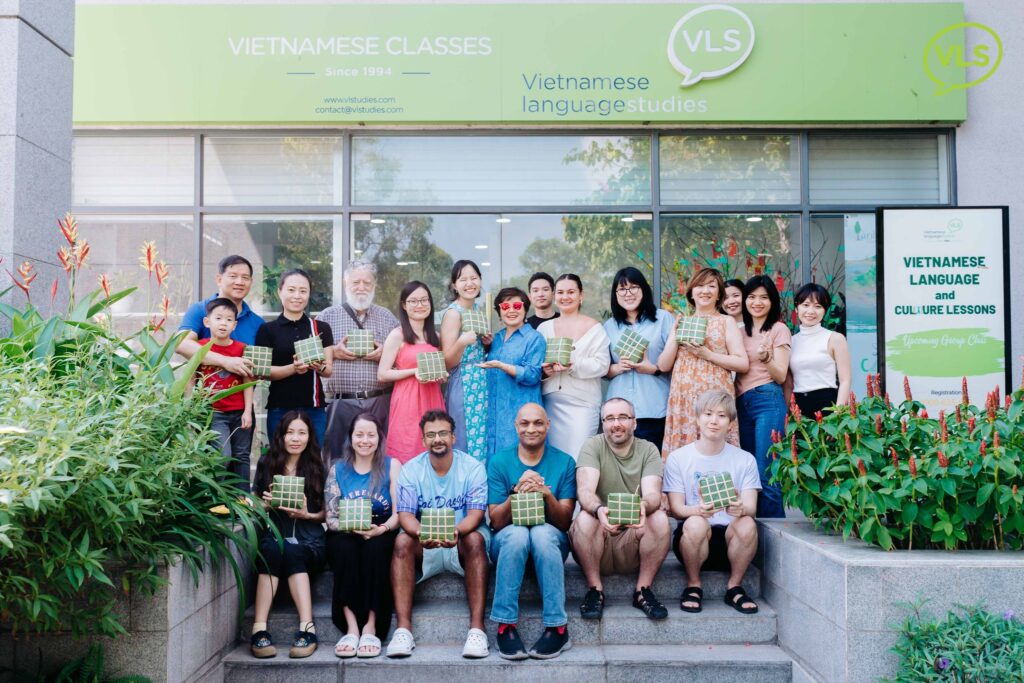
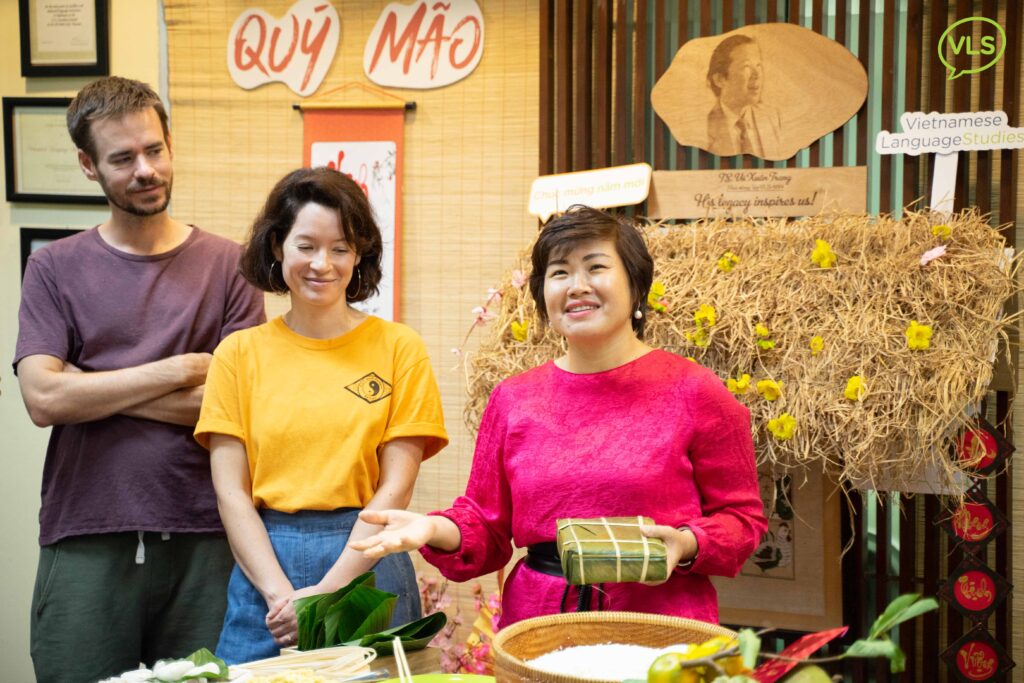
For those looking to dive deeper into the culinary traditions of Tết, there is an exciting opportunity to learn how to make traditional sticky rice cakes (bánh chưng and bánh tét) at a hands-on workshop hosted by VLS (Vietnamese Language School). The workshop, taking place on January 18-19, 2025, offers an authentic experience where participants can learn about the history, symbolism, and techniques behind making these iconic cakes.
Whether you’re a beginner or already familiar with Vietnamese cuisine, this workshop is an excellent way to engage with one of the most beloved traditions of Tết. Under the guidance of skilled instructors, attendees will not only learn how to prepare the cakes but will also gain a deeper understanding of the cultural significance behind these festive foods. This workshop is a perfect way to embrace the spirit of Tết and take home a piece of Vietnamese culinary tradition to share with family and friends.
Workshop Details
- RSVP: https://forms.gle/5vkpAtKntETeAKzs8
- Dates & Locations:
- VLS District 1: 45 Đinh Tiên Hoàng, Bến Nghé Ward, District 1, HCMC
⏰ 10:00 – 12:00, Saturday, January 18, 2025 - VLS Thảo Điền: Floor 2, 43A – 43B Xuân Thủy, Thảo Điền Ward, Thủ Đức City, HCMC
⏰ 14:30 – 16:30, Saturday, January 18, 2025 - VLS District 7: 82 Nam Phúc – Le Jardin, C Street, Tân Phú Ward, District 7, HCMC
⏰ 10:00 – 12:00, Sunday, January 19, 2025
- Fee: 550,000 VND /guest/cake
- Early bird: 500,000 VND by January 12, 2025
This is a wonderful opportunity to participate in a Tết tradition and share in the festive joy with others. Whether you’re looking to enhance your cooking skills or simply experience the joy of making bánh chưng and bánh tét, this workshop promises to be both educational and enjoyable. Don’t miss out on this chance to bring home your own handmade sticky rice cakes, crafted with care and full of cultural significance!
Conclusion
Vietnamese Lunar New Year is a time of joy, reflection, and tradition, and food plays an essential role in the celebrations. The iconic sticky rice cakes—bánh chưng and bánh tét—stand as symbols of respect, prosperity, and the cyclical nature of life. By attending the VLS workshop on January 18-19, 2025, you’ll have the opportunity to immerse yourself in this rich cultural tradition and learn how to create these delicious, meaningful cakes. It’s an experience that will leave you with a deeper appreciation for the Vietnamese culinary heritage and a lasting connection to the spirit of Tết.
So, gather your family, embrace the flavors of Tết, and join VLS for a memorable culinary journey this Lunar New Year!



[…] Vietnamese Cuisine Traditions for Lunar New Year […]
The CT-AI certification tests your ability to design and implement intelligent business solutions using advanced AI technologies. Proper preparation helps you grasp complex analytical and automation concepts. CT-AI Exam Questions from DumpsBuddy are expertly curated to match the real exam format, covering AI fundamentals, integration, and data processing. Each question includes detailed explanations to enhance understanding and accuracy. With DumpsBuddy’s updated study materails, candidates can build confidence and achieve success in their CT-AI certification journey.