In daily conversation, Vietnamese slang words are used very often. Vietnamese slangs make a sentence more fun and interesting. If you want to sound like a local, learn and use the following 12 common Vietnamese slang when you talk with your friends in Vietnam.
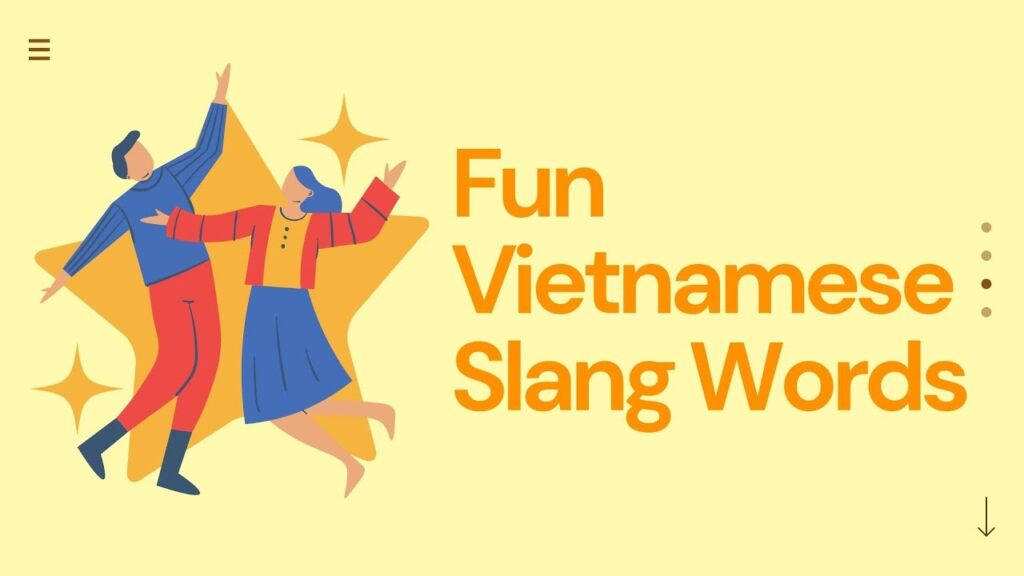
Table of Contents
Bó tay (Give up)
When you find yourself in a difficult situation, unable to use your physical strength and intellect to solve the problem, instead of saying ‘I don’t know how to do it’, Vietnamese people have creatively coined an interesting phrase to express it humorously and amusingly – “bó tay”.
“Bó Tay” implies that one cannot accomplish a certain task. It is used amusingly and humorously in communication among acquaintances, friends.
For example: Ôi nấu phở khó quá, tôi bó tay! (Oh, cooking phở is too difficult, I give up!)
Biết chết liền (Die if I know)
“Biết chết liền” is used when the speaker has no information or knowledge about the topic being discussed. It’s simply understood as “I don’t know” and be used with your friends.
For example:
A: Giải giúp mình bài toán này với. (Can you help me with this exercise?)
B: Khó quá, biết chết liền! (Too difficult, I’m stumped.)
Chém gió
“Chém gió” can be understood in various ways, it is considered as telling idle talk for fun, often tends to embellish or exaggerate stories, going overboard.
For example: “Ê đi trà chanh chém gió không?” (Hey, want to drink some lemon tea and chém gió?)
Trẻ trâu (A thoughtless person)
The term “trẻ trâu” is used to describe individuals with childish, stubborn, unruly, impulsive, and immature personalities.
Used in a playful and humorous manner, sometimes it can be teasingly sarcastic, often used in light-hearted conversations among close friends.
For example: “Anh ấy 30 tuổi rồi mà vẫn thích gấu bông, trẻ trâu quá!” (He’s 30 years old but still likes teddy bears, he’s so trẻ trâu!)
Thả thính (To flirt)
“Thả thính” is an intentional act of courting, attracting, or captivating someone to make them feel affectionate towards oneself, regardless of whether one has feelings for the other person or not.
The recipient of the flirt will respond or react to the other person (whether it has developed genuine feelings or is just playful banter), this is called “đớp thính”.
Trăm phần trăm (Bottom up)
In Vietnam, people often use this phrase when drinking together, everyone usually clinks glasses and shouts ‘Trăm phần trăm!’ This means you have to drink the entire glass in one go. This is a humorous phrase that Vietnamese people often use.
If you proactively say this phrase to Vietnamese people, they will surely be surprised and amused.
For example: “1,2,3 dô!!! Trăm phần trăm nha!” (1, 2, 3…Cheers! Bottoms up!)

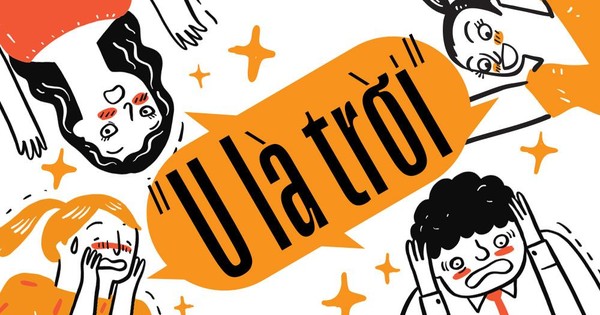
U là trời (Oh my God)
“U là trời” is a shortened, text-friendly version of “Ơi là trời”, which is translated to the exclamation “Oh my god” in English. “U là tr” is often used to express feelings of boredom, helplessness, and sometimes being pissed off of a Gen Zer. The English text equivalent would be “omg”.
When And Where Can You Use Vietnamese Slangs?
Vietnamese slang words are fun and help you understand a bit about the culture in Vietnam. Although it is spoken by many Vietnamese natives in daily conversation, we suggest you only use Vietnamese slangs with your friends, co-workers, or family members in informal situations. For formal talk, it is better to use formal phrases to say directly what you mean.
- Tết Traditions & Rituals Every Foreigner in Vietnam Should Know
- 10 Powerful Things to Start a Successful New Year With Confidence and Purpose
- 7 Powerful Small Changes to Transform Your New Year
- Learn Vietnamese for Work: Why It’s a Game-Changer for Your Career in Vietnam
- Best Gift Ideas for Vietnamese in New Year: 6 Thoughtful Choices