Table of Contents
1. Public Transport in Vietnam: Understanding the Basics
For many travelers, navigating public transport in Vietnam can initially feel confusing. Cities are busy, traffic flows differently from Western countries, and transportation options vary between regions. However, once you understand the system, getting around Vietnam becomes surprisingly manageable and even enjoyable.
Vietnam’s transportation network combines traditional and modern methods. Buses remain the backbone of public transport in Vietnam, especially in major cities like Hanoi and Ho Chi Minh City. Meanwhile, ride-hailing apps, taxis, and newly developed metro lines are expanding rapidly, offering additional choices for both locals and visitors.
Unlike some countries where public transit dominates urban mobility, transportation in Vietnam often blends multiple modes. People may walk, ride motorbikes, take buses, or use ride-hailing services within the same trip. This flexibility is part of how locals move efficiently through dense urban environments.
Understanding how to get around Vietnam requires observing how residents travel daily. Many locals prioritize convenience and affordability over strict routes or schedules. As a result, the system may appear informal but functions effectively once you adapt to its rhythm.
For travelers willing to embrace local habits, public transport in Vietnam becomes more than just a practical necessity. It offers a window into everyday life—how people commute, socialize, and navigate rapidly growing cities.
2. Vietnam Bus System: The Backbone of Public Transport
The Vietnam bus system forms the backbone of urban public transport in Vietnam. Cities like Hanoi, Ho Chi Minh City, Da Nang, and Can Tho operate extensive bus networks connecting residential districts, universities, markets, and commercial centers.
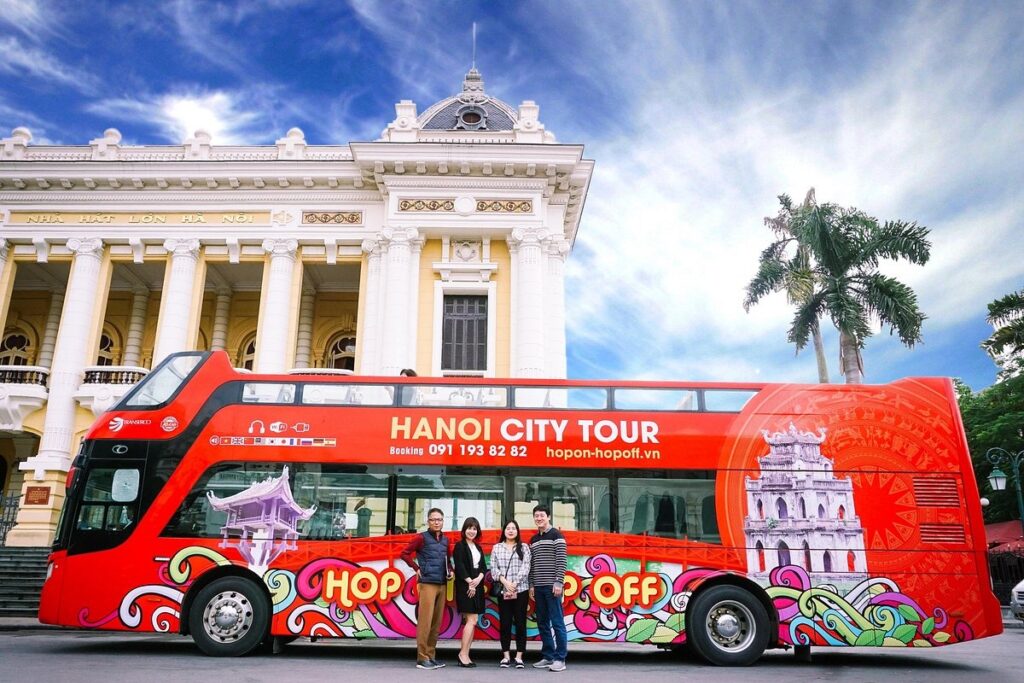
City buses are one of the cheapest ways of getting around Vietnam, with ticket prices typically costing only a small amount. Passengers usually pay onboard and receive a paper ticket from the conductor.
These buses run on fixed routes and schedules, though travel time may vary depending on traffic. Navigation apps such as Google Maps make it easier for travelers to track routes and stops.
Beyond city buses, Vietnam also has an extensive intercity bus network connecting provinces across the country. These long-distance buses often depart from dedicated bus terminals and travel between major cities and smaller towns. Some routes even offer sleeper buses for overnight journeys.
Together, urban buses and interprovincial routes form a key part of public transport in Vietnam.
3. Vietnam Metro: A New Era of Urban Transportation
In recent years, Vietnam metro systems have begun transforming transportation in Vietnam’s largest cities. Ho Chi Minh City and Hanoi are developing modern metro lines designed to reduce traffic congestion and support long-term urban growth.
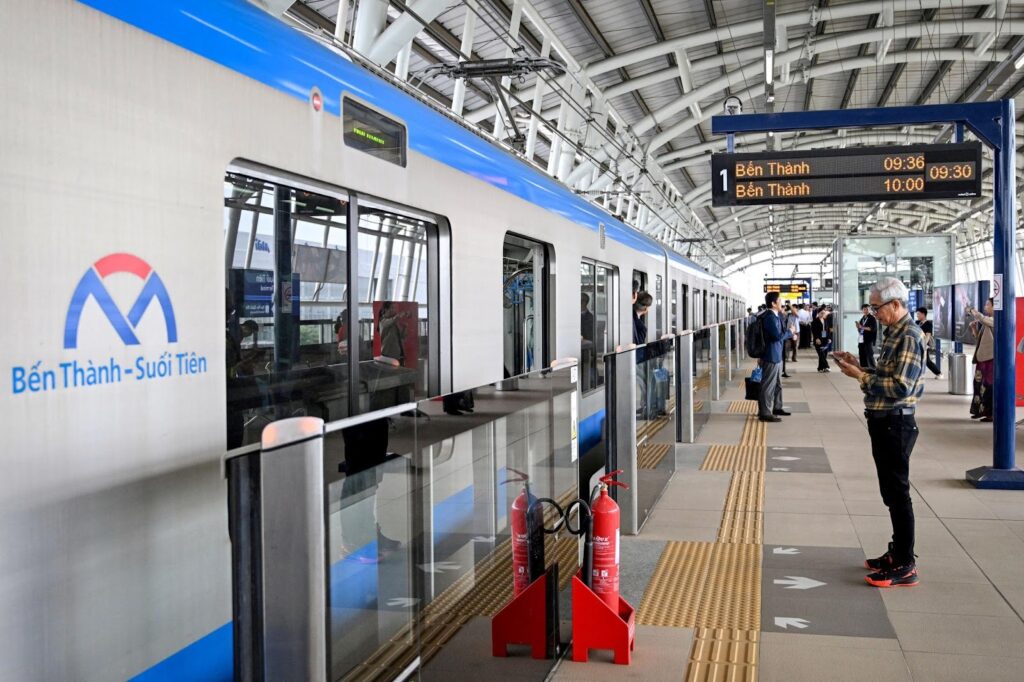
The metro represents a significant shift in how people think about public transport in Vietnam. Unlike buses, metro lines operate on fixed rail systems with predictable schedules and dedicated infrastructure. This allows faster travel across key urban corridors.
For visitors learning how to get around Vietnam, metro systems provide a familiar experience similar to those in many global cities. Stations typically include signage in both Vietnamese and English, making navigation easier for international travelers.
Although metro networks are still expanding, they symbolize Vietnam’s commitment to modern infrastructure. As new lines open in the coming years, public transport in Vietnam is expected to become even more efficient and accessible.
4. Ride-Hailing Apps: The Flexible Side of Transportation in Vietnam
While buses and metro lines form formal public transit systems, ride-hailing services play a major role in transportation in Vietnam. Apps such as Grab, Be, and Xanh SM allow users to request motorbike or car rides quickly through mobile platforms.
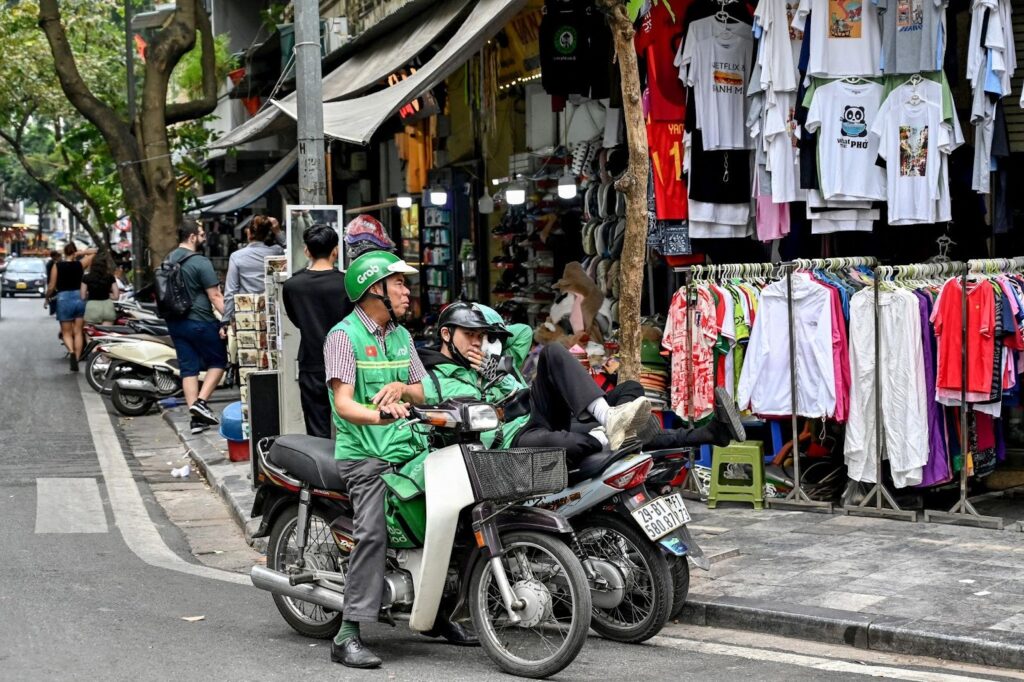
These services have become one of the most convenient ways of getting around Vietnam, particularly for short distances. Motorbike taxis navigate narrow streets and heavy traffic with ease, often reaching destinations faster than cars.
For many locals, ride-hailing apps complement public transport in Vietnam rather than replace it. Someone might take a bus for part of a journey and then use a ride-hailing service for the final stretch.
For travelers unfamiliar with Vietnamese street systems, these apps also provide clear pricing and GPS navigation. This reduces language barriers and makes transportation in Vietnam easier to manage.
5. Trains and Long-Distance Travel Across Vietnam
Trains remain one of the most scenic and comfortable ways of getting around Vietnam over long distances. The country’s famous North–South railway runs from Hanoi to Ho Chi Minh City, connecting major destinations such as Hue, Da Nang, and Nha Trang.
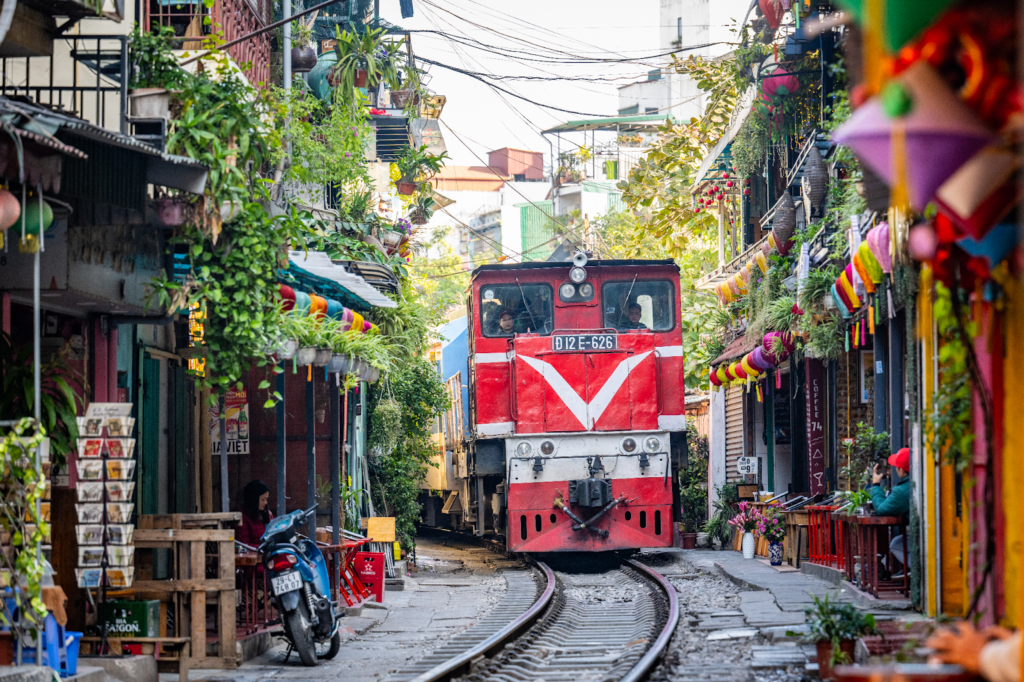
Vietnam train travel offers several ticket classes, including standard seating, sleeper cabins, and newer high-end services. Recently, luxury train experiences have been introduced on certain routes, featuring upgraded cabins and dining services.
Traveling by train allows passengers to see Vietnam’s diverse landscapes—from coastal cliffs to rice fields and mountain passes. Overnight sleeper trains are particularly popular with travelers who want to save time and accommodation costs.
Although trains are slower than airplanes, they remain an iconic part of transportation in Vietnam.
6. Domestic Flights: The Fastest Way to Travel Across Vietnam
Because Vietnam stretches across a long geographical distance, domestic flights are often the fastest way of getting around Vietnam between major cities.
Airlines such as Vietnam Airlines, VietJet Air, and Bamboo Airways operate frequent flights connecting cities like Hanoi, Ho Chi Minh City, Da Nang, Phu Quoc, and Nha Trang.
Flights are particularly useful for travelers with limited time who want to visit multiple regions of the country. A journey that might take over 30 hours by train can often be completed in about two hours by plane.
For long-distance travel, flights complement the broader public transport in Vietnam network.
7. Motorbike Rental: The Most Local Way to Explore
Motorbikes are the most common personal transportation method in Vietnam. Renting one allows travelers to explore cities, beaches, and countryside areas at their own pace.
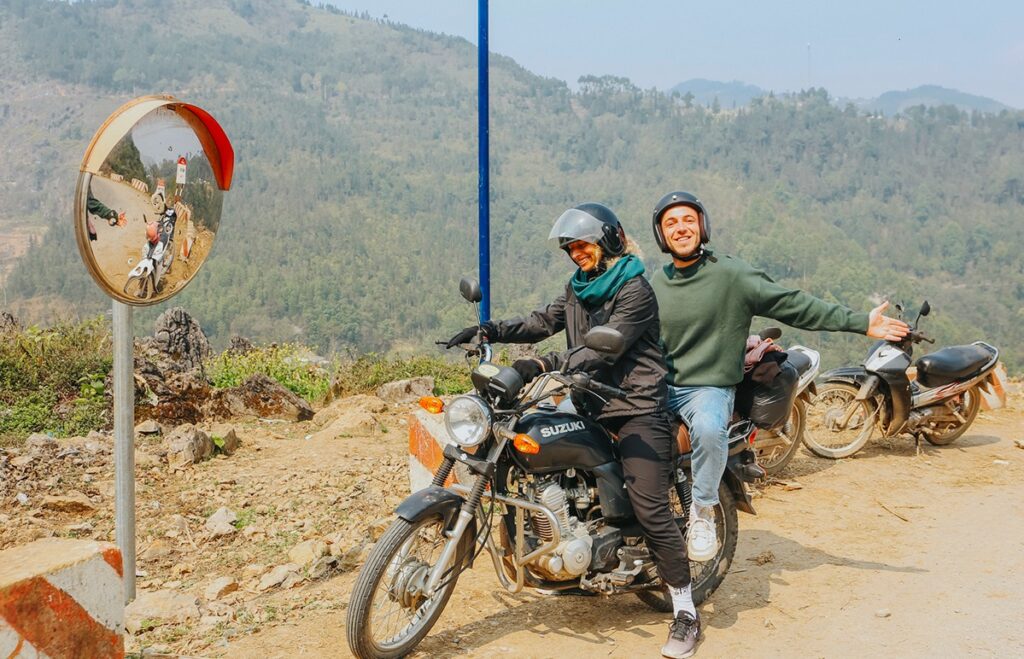
Motorbike rentals are widely available in tourist destinations and typically require only a passport deposit or a small fee.
For short urban trips, ride-hailing apps like Grab also offer motorbike taxis, providing a convenient way to move through traffic quickly.
Although motorbikes are not technically public transport in Vietnam, they are central to how locals move around daily.
8. Bicycles and Public Bike Systems
In several Vietnamese cities, bicycles are becoming a popular eco-friendly transportation option.
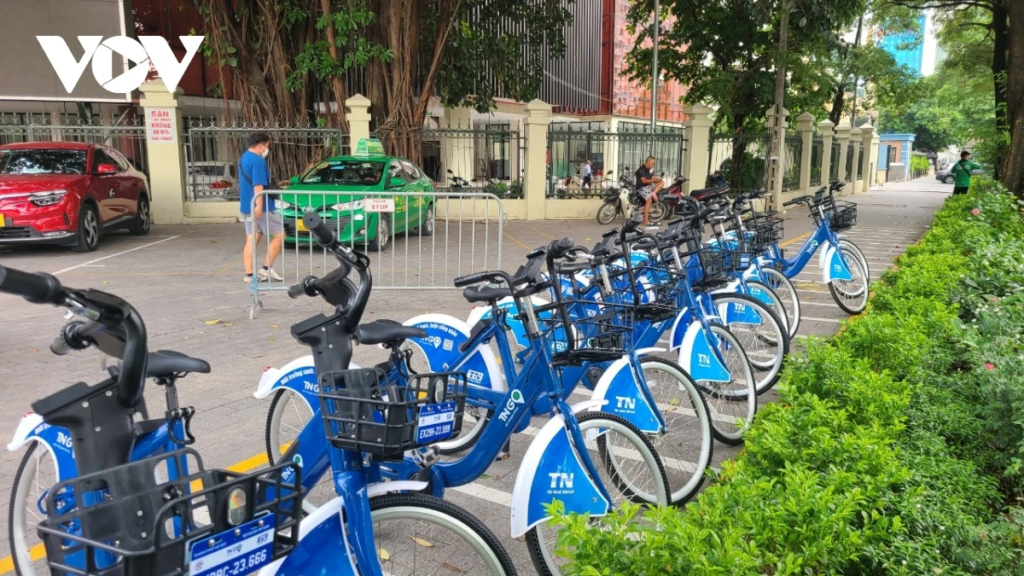
Public bike systems have been introduced in cities like Hanoi and Ho Chi Minh City. Users can rent bicycles through mobile apps and return them at designated stations.
Cycling is also common in smaller cities and heritage towns such as Hoi An, where the streets are calmer and more pedestrian-friendly.
For travelers seeking a slower pace, bicycles offer a relaxing way of experiencing transportation in Vietnam.
9. Boats and Ferries in Coastal Areas and the Mekong Delta
In river regions and coastal provinces, boats remain an essential form of transportation in Vietnam.
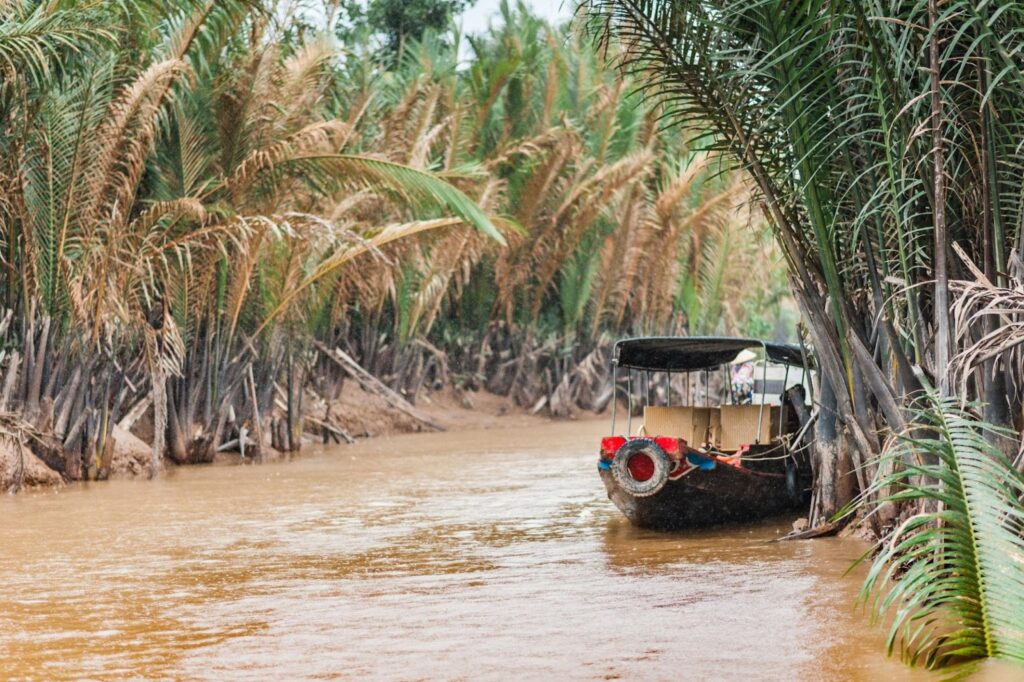
The Mekong Delta relies heavily on waterways. Boats connect villages, floating markets, and farms through a network of canals.
In coastal areas, ferries transport passengers between mainland ports and islands such as Phu Quoc or Ly Son.
These water-based routes are an important yet often overlooked part of public transport in Vietnam.
10. How Locals Actually Get Around Vietnam
Understanding public transport in Vietnam also means recognizing the role of motorbikes. While not technically public transport, motorbikes dominate daily mobility across the country.
Many locals combine transportation options depending on distance and purpose. A commuter might ride a motorbike to a bus stop, take public transit to the city center, and walk the final distance.
This flexible approach explains why transportation in Vietnam appears chaotic to newcomers yet functions efficiently for residents.
Learning how locals move—balancing speed, affordability, and practicality—helps travelers adapt more easily.
11. Practical Tips for Using Public Transport in Vietnam
Using public transport in Vietnam becomes much easier with a few practical strategies. Downloading navigation apps helps track bus routes and ride-hailing options in real time.
Travelers should also carry small cash denominations when using buses, as digital payment systems are still developing in some areas. During rush hours, buses and metro lines may become crowded, so planning trips outside peak times can improve comfort.
For safety, it is important to stay aware of belongings in busy stations or vehicles. Like in many large cities, crowded public transit environments require basic awareness.
With preparation, getting around Vietnam becomes straightforward and affordable.
12. Why Public Transport in Vietnam Reveals Everyday Life
Observing public transport in Vietnam offers insight into how people live and work. Buses filled with students, metro stations connecting business districts, and ride-hailing drivers navigating busy streets all illustrate the rhythm of urban life.
Transportation in Vietnam reflects the country’s rapid development. Traditional commuting habits coexist with modern infrastructure projects, creating a transportation system that continues to evolve.
For visitors, using public transit provides more than mobility—it reveals social patterns, economic change, and the daily pace of Vietnamese cities.
Navigating Vietnam Like a Local
Understanding public transport in Vietnam makes travel easier, more affordable, and more immersive. Whether riding a city bus, trying the metro, or booking a motorbike through a ride-hailing app, each transportation method reveals a different side of Vietnamese urban life.
For travelers who want to explore Vietnam beyond tourist areas, learning how locals move through their cities can transform the experience.
And for those who want to deepen their connection with the country, language plays a key role. At Vietnamese Language Studies (VLS), students learn Vietnamese not only for communication but also for navigating real-life situations—from asking directions to using transportation confidently.
For official travel information and transportation updates, you can also visit Vietnam’s national tourism portal:
https://vietnam.travel/