Table of Contents
1. Shopping in Vietnam: A Dynamic Blend of Tradition and Modernity
Shopping in Vietnam is far more than a simple transaction—it is a cultural experience shaped by history, daily habits, and rapid modernization. From bustling wet markets to air-conditioned shopping malls, the country offers a retail landscape that reflects both tradition and economic growth.
For visitors wondering where to shop in Vietnam, the answer depends on what kind of experience you seek. If you want sensory immersion, local markets in Vietnam offer authenticity, bargaining, and human interaction. If you prefer convenience and fixed pricing, supermarkets in Vietnam provide standardized systems and imported goods.
Vietnam shopping culture is deeply social. Buying vegetables, clothing, or household goods often involves conversation, negotiation, and relationship-building. Unlike Western retail environments where speed and efficiency dominate, shopping in Vietnam frequently carries a slower, more relational rhythm.
As Vietnam tourism continues to grow, the retail environment evolves alongside it. Yet traditional markets remain essential to daily life. This coexistence between old and new defines the Vietnam retail experience and makes it uniquely compelling for both residents and travelers.
2. Local Markets in Vietnam: The Heart of Everyday Commerce
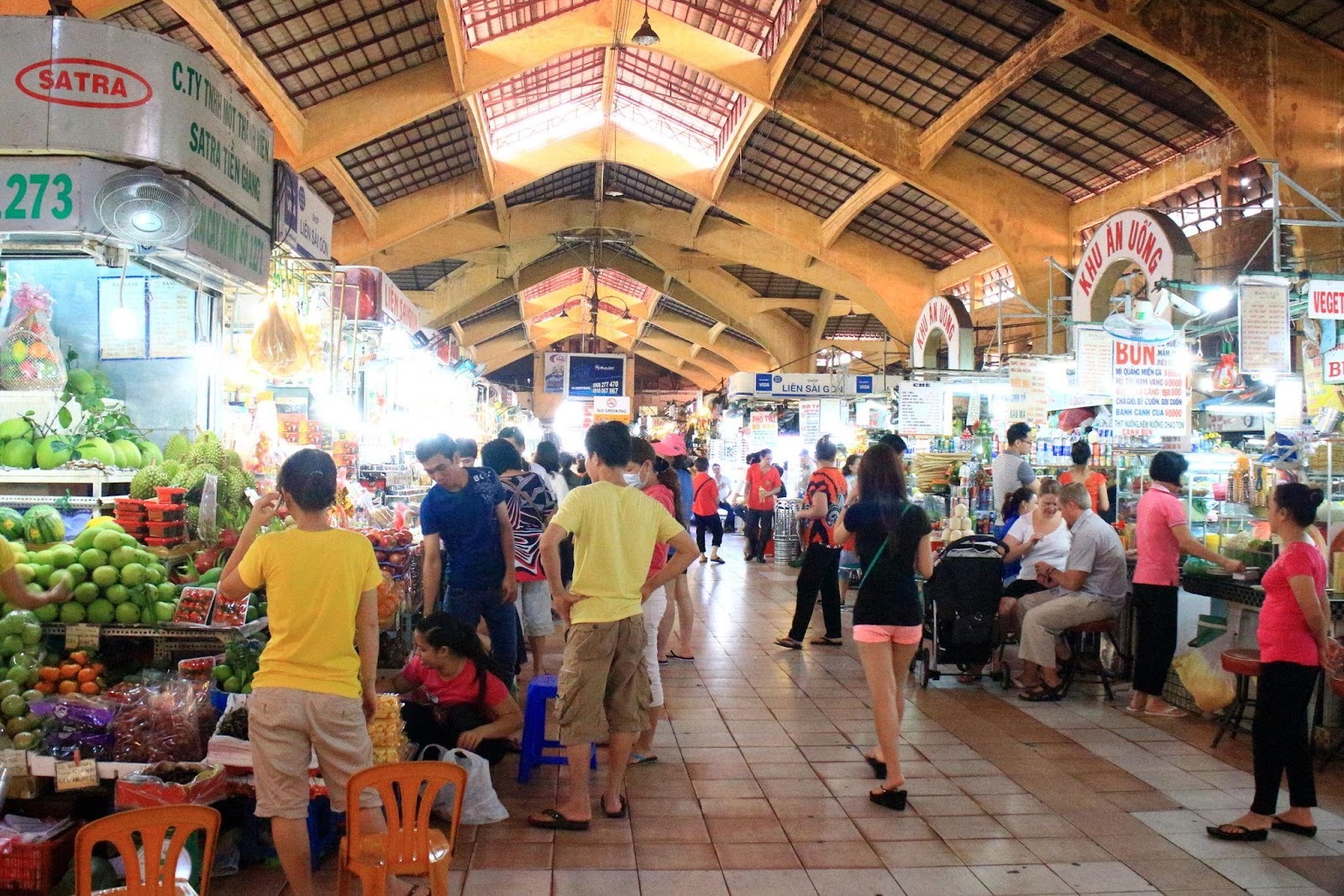
Local markets in Vietnam are vibrant centers of daily life and remain essential to the country’s retail culture. Open early in the morning—often before sunrise—these markets sell fresh produce, seafood, meat, herbs, spices, clothing, kitchenware, and everyday household items. The atmosphere is energetic and immersive, filled with calls from vendors, the metallic sound of weighing scales, and the scent of herbs and street food drifting through narrow aisles. Unlike supermarkets, these spaces feel alive and constantly in motion.
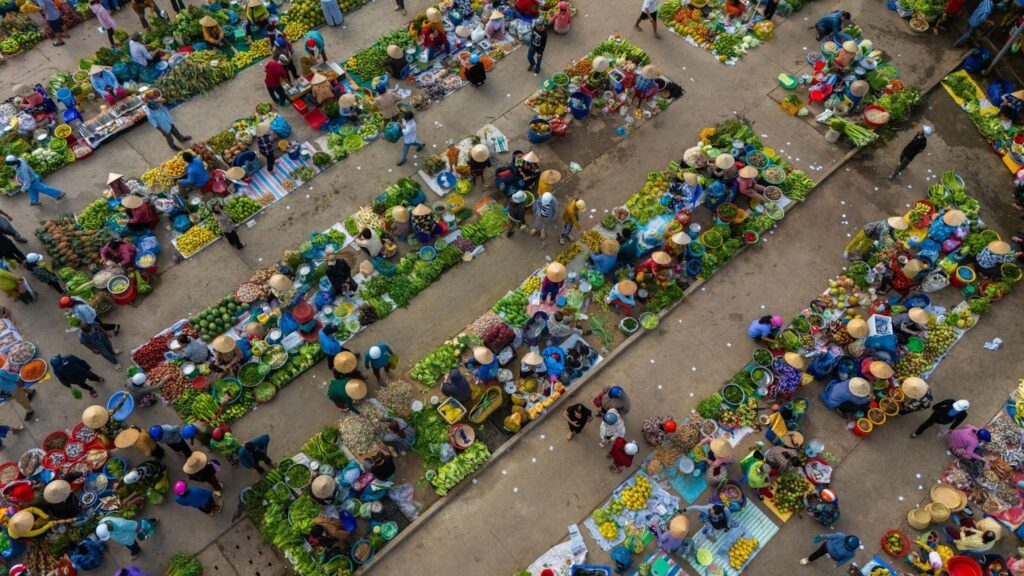
For many Vietnamese families, shopping in Vietnam begins at the wet market. Freshness matters more than packaging, and shoppers often visit daily rather than buying in bulk. Fish may still be swimming in tanks, herbs are bundled that same morning, and vegetables arrive directly from nearby farms. Regular customers build informal relationships with vendors over time, which can influence price, product selection, and even small gestures of goodwill like extra herbs added to a purchase.
Bargaining is common, especially in tourist-heavy areas, but in neighborhood markets prices are often consistent for locals. The negotiation process is typically friendly and brief, part of the rhythm rather than confrontation. Markets such as Bến Thành (Ho Chi Minh City) or Đồng Xuân (Hanoi) also serve as tourism landmarks, offering souvenirs alongside daily goods. However, smaller neighborhood markets provide a more authentic Vietnam shopping culture experience, where daily routines unfold naturally.
If you want to understand everyday life, observing local markets in Vietnam reveals social patterns, food habits, and economic rhythms. It is not only about buying—it is about community interaction, trust, and the quiet routines that sustain urban and rural life alike.
3. Supermarkets in Vietnam: Convenience and Consistency
Supermarkets in Vietnam have expanded rapidly over the past two decades, reflecting the country’s accelerating urban development and rising middle class. Major chains such as Co.opmart, WinMart, AEON, and Lotte Mart now operate across large cities and provincial centers, offering air-conditioned comfort, organized aisles, and standardized pricing. These retail spaces often combine grocery sections with food courts, clothing stores, and entertainment areas, turning shopping into a broader lifestyle experience rather than a quick errand.
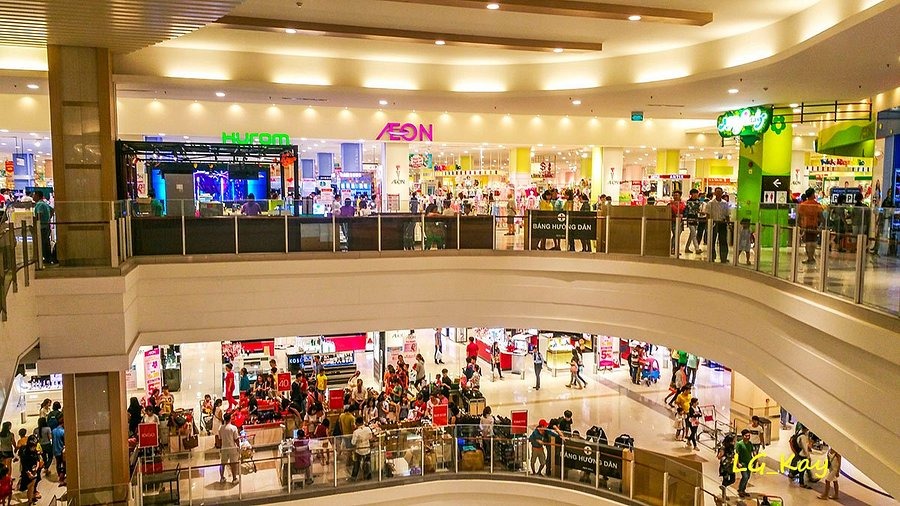
For expatriates and international travelers, shopping in Vietnam often feels more familiar inside supermarkets. Products are clearly labeled, prices are fixed, and imported goods—from cereals to cheeses—are widely available. Payment options increasingly include credit cards, QR codes, and mobile banking apps, reflecting Vietnam’s rapid digital adoption. Interestingly, even traditional markets now frequently accept bank transfers and e-wallet payments, showing that modernization is not limited to formal retail chains.
Supermarkets in Vietnam also symbolize the country’s economic transformation and integration into global supply networks. Younger consumers often prefer the predictability, perceived hygiene standards, and convenience associated with modern retail environments. Weekly bulk shopping, once uncommon, is becoming more popular among urban families with busier schedules.
However, supermarkets do not replace traditional markets entirely. Instead, they complement them. Many households continue to shop at markets for fresh vegetables, herbs, and meat, while relying on supermarkets for packaged foods and household products. This coexistence illustrates the hybrid nature of Vietnam shopping culture—where tradition adapts rather than disappears, and shopping in Vietnam reflects both continuity and change.
4. Traditional Markets vs. Modern Retail: What Defines the Vietnam Retail Experience
The contrast between traditional and modern retail strongly defines shopping in Vietnam. Wet markets prioritize freshness, flexibility, and personal relationships, while supermarkets emphasize efficiency, organization, and comfort. In traditional markets, goods are displayed openly and trust often develops over repeated visits. In modern retail environments, pricing systems, barcodes, and checkout counters structure the process into predictable steps.
This dual structure shapes the broader Vietnam retail experience. In markets, interaction is direct and informal—buyers may ask about the origin of produce, negotiate small price differences, or receive cooking advice from vendors. In supermarkets, interaction is minimal and streamlined, designed for speed and convenience. Yet both systems coexist comfortably, reflecting different aspects of Vietnamese society: community-oriented traditions alongside global economic integration.
For travelers asking where to shop in Vietnam, experiencing both environments offers a meaningful perspective. Buying fruit at a street market in the morning and browsing a shopping mall in the afternoon reveals how economic growth coexists with cultural continuity. You can witness firsthand how daily habits adapt without abandoning long-standing customs.
Vietnam tourism increasingly highlights this contrast as part of the cultural journey. Shopping in Vietnam becomes more than purchasing goods—it becomes a lens through which visitors observe modernization unfolding in real time. The coexistence of traditional markets and modern retail spaces illustrates how Vietnam balances progress with preservation, creating a retail culture that feels dynamic yet grounded in everyday life.
5. What to Buy When Shopping in Vietnam
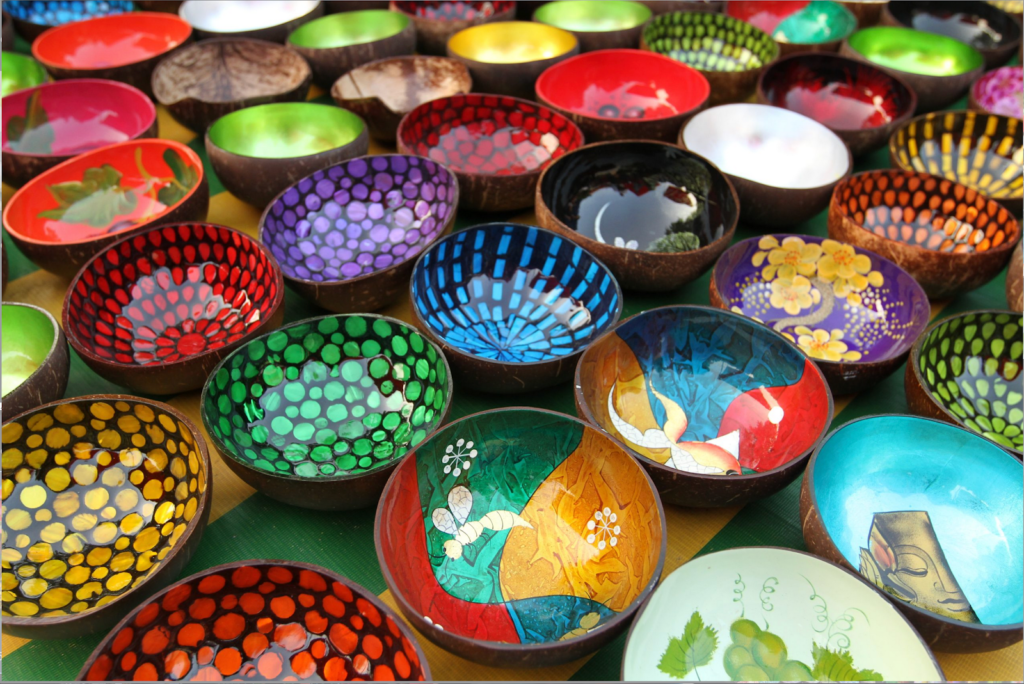
Shopping in Vietnam offers a wide range of products that reflect local craftsmanship, regional identity, and contemporary trends. Popular traditional items include handicrafts, lacquerware, silk, ceramics, embroidered textiles, regional food products, and especially Vietnamese coffee. These goods often represent specific areas of the country—Bat Trang for ceramics, the Central Highlands for agricultural products, and craft villages around Hanoi for traditional handmade items.
Local markets in Vietnam are ideal for browsing affordable clothing, accessories, and everyday goods, while supermarkets in Vietnam provide packaged foods, international brands, and clearly labeled products convenient for travelers. Beyond traditional souvenirs, one of the strongest shopping trends in recent years—especially among younger visitors—is fashion. Many travelers intentionally look for Vietnamese local clothing brands known for unique designs, good fabric quality, and prices that are significantly lower than in Western countries. The aesthetic often blends minimalism with contemporary Asian street style, making it appealing and wearable back home.
Hoi An, in particular, has become well known for custom tailoring. Instead of buying ready-made souvenirs, visitors often order tailored suits, dresses, or even wedding outfits at reasonable prices, with fittings completed within a few days. This shift shows that shopping in Vietnam is no longer just about souvenirs—it’s about design, personalization, and discovering brands that reflect the country’s creative energy. That combination of craftsmanship, affordability, and evolving style is what makes the Vietnam retail experience genuinely interesting today.
6. Cultural Etiquette When Shopping in Vietnam
Understanding basic etiquette enhances shopping in Vietnam and makes interactions smoother and more enjoyable. In local markets, a polite greeting and a friendly tone go a long way. Smiling, making eye contact, and showing patience signal respect. Vendors often respond more warmly when shoppers appear relaxed and respectful rather than rushed or demanding. Small gestures of courtesy can significantly improve the overall Vietnam retail experience.
Bargaining is acceptable in tourist markets and some traditional stalls, but it should remain respectful and moderate. Vietnam shopping culture values harmony and saving face. Aggressive negotiation, dramatic reactions, or walking away abruptly can feel uncomfortable or even disrespectful. Instead, treat bargaining as a light conversation rather than a confrontation. In supermarkets in Vietnam, pricing is fixed, so negotiation is unnecessary and not expected.
Learning a few simple Vietnamese phrases can make shopping in Vietnam more engaging and effective. For example:
- “Cái này bao nhiêu tiền?” (How much is this?)
- “Mắc quá, bớt cho em được không?” (That’s too expensive, can you lower the price for me?)
- “Em muốn mua 2 cái.” (I want to buy two of that)
Using these phrases, even imperfectly, often earns a smile and a more positive response. It shows effort and cultural sensitivity, which are highly appreciated.
Cash remains widely used, especially in traditional markets, though digital payment apps and bank transfers are increasingly common—even in smaller stalls. In smaller towns, carrying smaller denominations is practical and courteous. Being culturally aware and linguistically prepared ensures that shopping in Vietnam feels not just transactional, but respectful and genuinely interactive.
7. Why Shopping in Vietnam Reflects Everyday Life
Ultimately, shopping in Vietnam reflects broader social patterns and everyday values. Traditional markets highlight the importance of routine, community, and personal relationships. Many families return to the same vendors regularly, building familiarity and trust over time. These repeated interactions show how commerce is closely tied to social connections.
Supermarkets, by contrast, illustrate economic growth and modernization. Organized layouts, imported goods, and digital payment options reflect Vietnam’s integration into global retail systems. Younger urban consumers often appreciate the convenience and consistency of these spaces, while still maintaining traditional shopping habits elsewhere.
For visitors, observing shopping behavior offers insight into lifestyle, food culture, and family priorities. The coexistence of traditional markets and modern retail environments demonstrates how Vietnam balances development with continuity. Beyond landmarks and cuisine, shopping in Vietnam quietly reveals how people live day to day.
Understanding Vietnam Through Shopping
Shopping in Vietnam is not simply about consumption—it is about understanding how tradition and modernization intersect in everyday life. From the sensory richness of local markets in Vietnam to the structured environment of supermarkets in Vietnam, the country’s retail culture reflects resilience, adaptability, and community values.For travelers who wish to go beyond surface-level tourism, language and cultural understanding deepen every interaction. At Vietnamese Language Studies (VLS), learners explore not only communication skills but also the cultural context behind daily experiences—including shopping, markets, and social customs. Because sometimes, the most meaningful way to understand a country begins with something as simple as shopping.