
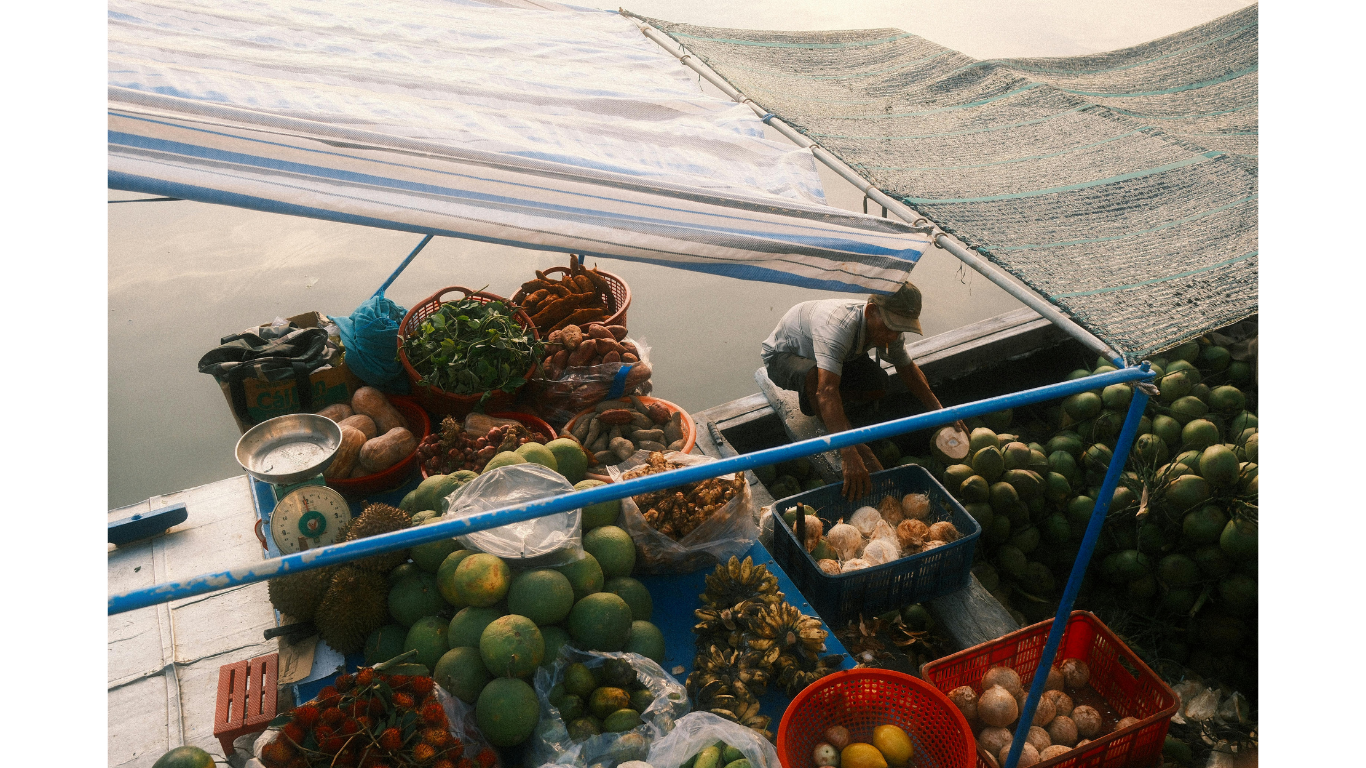
Vietnam is a paradise for fruit lovers, and if you’re exploring the country, you’re in for a real treat. From the bustling markets of Ho Chi Minh City to the serene orchards in the north, Vietnamese fruits are as diverse as they are delicious. Whether you’re curious about tropical fruits in Vietnam or wondering what to eat in Vietnam, this guide will help you discover the flavors, textures, and aromas that make Vietnamese fruits truly special.
Not only are these fruits a feast for your taste buds, but they also offer a glimpse into local culture, seasonal traditions, and the daily life of the people. By the end of this article, you’ll know exactly which fruits to try, when to find them, and how to enjoy them like a local. So, let’s dive into the colorful and flavorful world of Vietnamese fruits!
Table of Contents
Northern Vietnamese Fruits
Custard Apple — Na / Mãng Cầu Ta (Lạng Sơn Province)
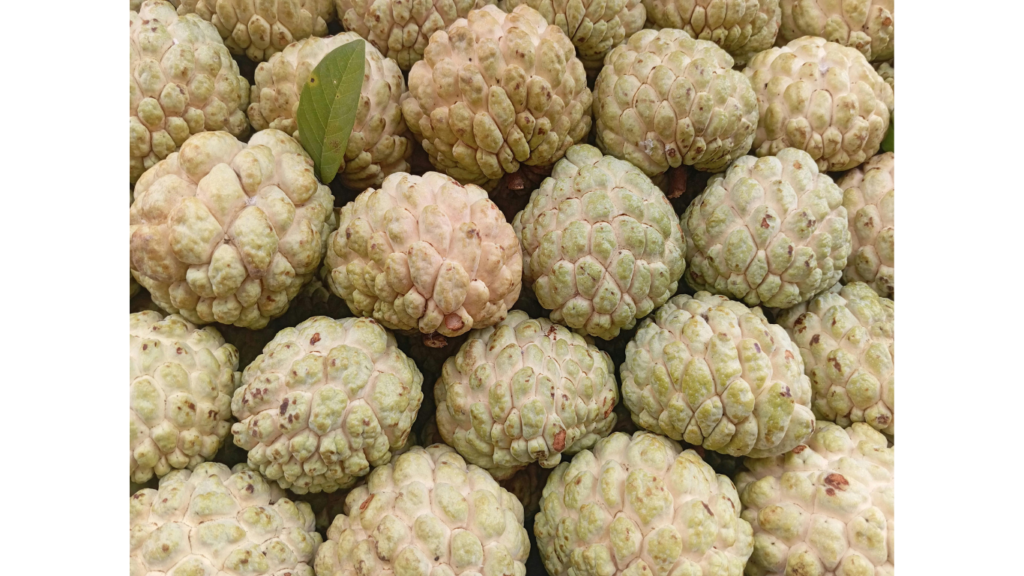
- What it is: Custard apple — called na or mãng cầu ta in Vietnam — has a knobbly green exterior and soft, creamy white flesh inside. When ripe, the flesh becomes sweet, fragrant, and custard‑like. It’s a rustic, natural dessert-like fruit beloved by locals.
- When & where to find it: Mãng cầu ta from Lạng Sơn is typically in season from June to August. Local markets in Lạng Sơn, especially those sourcing fruit from highland communes, are the best places to find fresh custard apples.
- How to eat it — tip for you: Slice open (or gently pull apart) and scoop out the flesh with a spoon, avoiding the black seeds. Eating it chilled makes it a refreshing tropical treat.
- Why you should try it: Lạng Sơn custard apple offers a uniquely northern Vietnamese fruit experience — sweet, aromatic, creamy, almost like having a natural dessert.
Lychee — Vải Thiều (Bắc Ninh Province, formerly Bắc Giang)
- What it is: Lychee (vải thiều) is a juicy, fragrant fruit with a rough reddish‑pink shell and translucent white, sweet flesh. Its flavor is sweet, slightly floral, and very refreshing.
- When & where to find it: Lychee season in northern Vietnam runs from May to July. Bắc Ninh (and formerly Bắc Giang) is famous for high-quality lychee. You can find them in local markets, street fruit stalls, and even supermarkets during peak season.
- How to eat it — tip for you: Peel off the shell by hand, remove the single seed, and enjoy the juicy flesh. Chilled lychee is especially refreshing on a hot day.
- Why you should try it: Lychee is an iconic summer fruit in northern Vietnam — sweet, juicy, and perfect for expats and travelers exploring the region.
Longan — Nhãn (Hưng Yên Province)
- What it is: Longan (nhãn) is a small fruit with a thin brown shell and translucent white flesh. Its taste is sweet, milder and less floral than lychee.
- When & where to find it: Specialty longan from Hưng Yên is harvested around July to August. Local orchards and markets in Hưng Yên supply fruit to northern cities, so you might also find it in Hanoi during the season.
- How to eat it — tip for you: Peel off the shell, remove the seed, and enjoy the sweet, juicy flesh. Longan is eaten fresh or in desserts and chilled drinks — perfect for a light snack.
- Why you should try it: Hưng Yên longan is celebrated for its sweetness and aroma. It’s a gentle introduction to northern Vietnamese fruits — ideal for snacking or sharing.
Cao Phong Orange — Cam Cao Phong (Phú Thọ Province, formerly Hòa Bình)
- What it is: Cao Phong orange is a northern Vietnamese citrus fruit with bright skin and juicy, sweet-tart segments.
- When & where to find it: The season runs from Septeber to April next year. Markets in Phú Thọ (Cao Phong district) carry fresh oranges, and sometimes they reach Hanoi markets as well.
- How to eat it — tip for you: Peel and eat segment by segment, or squeeze for fresh juice — hydrating and refreshing.
- Why you should try it: Cao Phong orange is perfect if you enjoy tangy, sweet flavors — a classic northern citrus experience.
Northern Plum — Mận (Sơn La Province)
- What it is: Northern plum (mận) is small-to-medium, with thin skin and juicy flesh that balances sweet and slightly sour flavors. Crisp and refreshing.
- When & where to find it: Plum season in Sơn La runs from May to June. You can find it at mountain-region markets and local fruit stalls during its short season.
- How to eat it — tip for you: Wash, eat whole, and avoid the pit. Juicy and slightly tart, perfect for a light snack.
- Why you should try it: Northern plum contrasts nicely with sweeter tropical fruits — crisp, slightly sour, and fresh from highland regions.
Central & Highlands Vietnamese Fruits
Strawberry — Dâu Tây (Lâm Đồng Province, Đà Lạt)
- What it is: Vietnamese strawberries (dâu tây) from Đà Lạt are bright red, fragrant, juicy, and sweet-tart. Their flavor is rich and slightly tangy, perfect for fresh eating or desserts.
- When & where to find it: The strawberry season peaks from December to March in the cool highlands of Lâm Đồng (Đà Lạt). You can visit local farms in Đà Lạt for “pick-your-own” experiences or buy fresh strawberries at city markets and fruit stalls.
- How to eat it — tip for you: Wash thoroughly and enjoy fresh, or pair with condensed milk for a popular local treat.
- Why you should try it: Đà Lạt strawberries are a must for expats exploring Vietnam’s Central Highlands — sweet, aromatic, and very photogenic.
Avocado — Bơ (Đắk Lắk Province)
- What it is: Vietnamese avocado (bơ) is creamy, buttery, and rich, often larger than its Western counterparts. Commonly used in smoothies, desserts, or eaten fresh with a sprinkle of sugar.
- When & where to find it: Bơ from Đắk Lắk is harvested with peak season from April to July, September to Novemeber. Local markets in surrounding areas carry the freshest avocados.
- How to eat it — tip for you: Slice, scoop, and eat fresh with a touch of sugar, condensed milk, or blend into smoothies — a rich, tropical delight.
- Why you should try it: Avocados in Vietnam are versatile — a creamy fruit that’s great for healthy breakfasts or dessert snacks, very popular among locals and expats alike.
Dragon Fruit — Thanh Long (Đắk Lắk Province, formerly Bình Thuận)
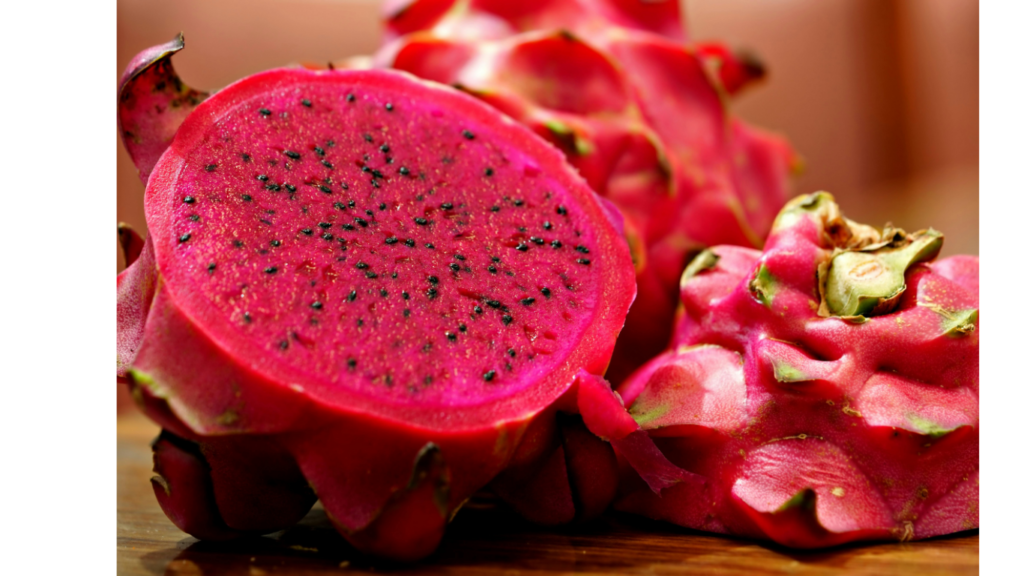
- What it is: Dragon fruit (thanh long) is visually striking with pink or red skin and white or red flesh dotted with tiny black seeds. Sweet, mildly flavored, and refreshing.
- When & where to find it: Harvested year-round, with peaks from June to November. Available in local markets in Đắk Lắk, Ho Chi Minh City, and supermarkets.
- How to eat it — tip for you: Cut in half and scoop with a spoon — very hydrating and visually appealing.
- Why you should try it: Dragon fruit is a tropical staple — low-calorie, hydrating, and a great introduction to Vietnam’s southern fruit varieties.
Grapes — Nho (Khánh Hòa Province, formerly Ninh Thuận)
- What it is: Vietnamese grapes (nho) are sweet and juicy, with a firm texture and slightly tart flavor depending on the variety. Often eaten fresh or used in desserts and wine.
- When & where to find it: Peak grape season is from April to August in Khánh Hòa (formerly Ninh Thuận). Markets in the province and nearby districts sell fresh local grapes. Some vineyards offer tasting tours.
- How to eat it — tip for you: Wash and eat fresh, or try local grape juice — a refreshing drink for hot days.
- Why you should try it: Khánh Hòa grapes are a perfect example of Central Vietnam’s dry climate fruits — sweet, juicy, and easy to snack on while exploring the coast.
Southern Vietnam’s Specialty Fruits
Mangosteen — Măng Cụt (Ho Chi Minh City, formerly Bình Dương)
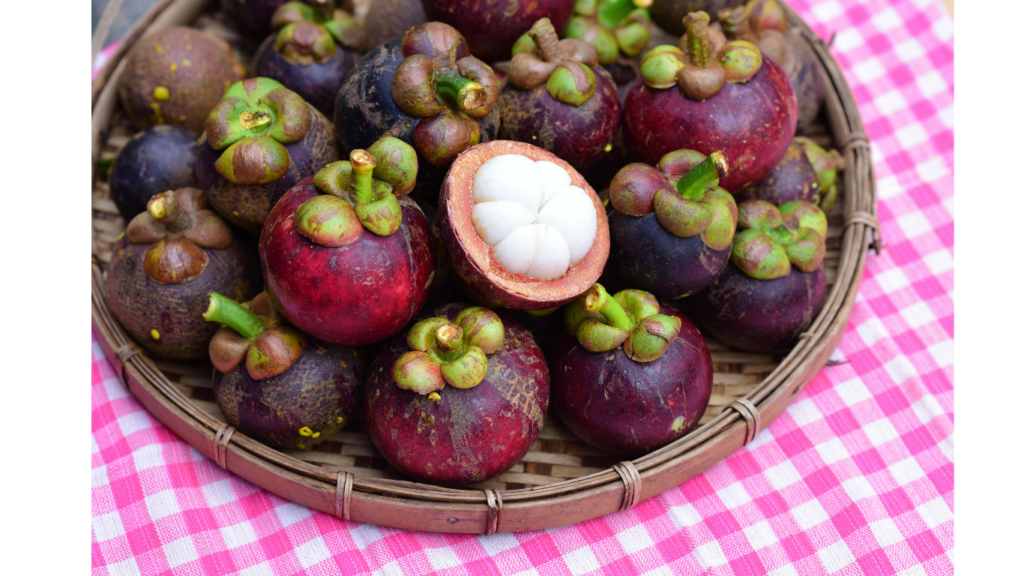
- What it is: Mangosteen (măng cụt) has a thick purple rind and soft, juicy white segments inside. Sweet and slightly tangy, often called the “queen of fruits” in tropical Asia.
- When & where to find it: Peak season from May to July, mostly from southern orchards supplying Ho Chi Minh City markets. Look for them in Ben Thanh Market or other fruit vendors.
- How to eat it — tip for you: Cut the rind carefully, separate the juicy segments, and discard seeds. Eat fresh for a truly tropical taste.
- Why you should try it: Mangosteen is iconic among tropical fruits in Vietnam — sweet, fragrant, and a must-try for expats seeking authentic southern flavors.
Pomelo — Bưởi Tân Triều (Đồng Nai Province)
- What it is: Pomelo (bưởi) is a large citrus fruit with thick green or yellow skin and juicy, sweet-tart segments inside. Bưởi Tân Triều is known for its fragrant aroma and refreshing taste.
- When & where to find it: Peak season is from August to November. Local markets in Đồng Nai, especially in Tân Triều area, offer fresh pomelos directly from orchards.
- How to eat it — tip for you: Peel the thick rind, separate the segments, and remove any seeds. Chill before eating for a refreshing snack.
- Why you should try it: Bưởi Tân Triều is perfect for hot southern days — sweet, juicy, and aromatic, giving you a taste of traditional Vietnamese citrus.
Hòa Lộc Mango — Xoài Cát Hòa Lộc (Đồng Tháp Province, formerly Tiền Giang)
- What it is: This mango variety (xoài cát Hòa Lộc) is famous for its bright yellow flesh, juicy texture, and sweet, rich flavor. It’s highly prized in Vietnam.
- When & where to find it: Mango season is from March to May. Markets in Đồng Tháp province, including Hòa Lộc district, carry the freshest mangoes. Some are exported nationwide, so you may also find them in Ho Chi Minh City.
- How to eat it — tip for you: Peel or slice, enjoy fresh, or use in smoothies and desserts. The rich aroma and sweetness make it a standout tropical fruit.
- Why you should try it: Hòa Lộc mango is considered one of Vietnam’s best mangoes — a must-try if you want a premium tropical fruit experience.
Star Apple — Vú Sữa (Đồng Tháp Province, formerly Tiền Giang)
- What it is: Star apple (vú sữa) is a small, round fruit with smooth purple or green skin and sweet, creamy flesh. Its flavor is mildly sweet and refreshing.
- When & where to find it: Star apple season is from September to April next year. Available in local markets in Đồng Tháp province and nearby southern markets.
- How to eat it — tip for you: Cut in half, scoop out the soft flesh, and discard the seeds. Chill for an extra refreshing taste.
- Why you should try it: Vú sữa is popular among locals for its creamy, tropical sweetness — a gentle introduction to southern Vietnamese fruits.
Tieu Son Tangerine — Quýt Tiều Son (Đồng Tháp Province)
- What it is: Tieu Son tangerine (quýt Tiều Son) is small, juicy, and aromatic, with a perfect balance of sweetness and light acidity.
- When & where to find it: Peak season is from November to January. Fresh tangerines can be found in Đồng Tháp markets or at fruit stalls across southern Vietnam.
- How to eat it — tip for you: Peel and eat segment by segment — easy, hydrating, and flavorful.
- Why you should try it: Quýt Tiều Son is ideal for expats looking for a light, aromatic citrus snack — sweet, refreshing, and easy to enjoy anywhere.
Palmyra Fruit — Thốt Nốt (An Giang Province)
- What it is: Thốt nốt is a tropical palm fruit with a sweet, fibrous texture. Often used in desserts or eaten fresh.
- When & where to find it: Season is from December to July next year. Available in An Giang markets and local fruit stalls.
- How to eat it — tip for you: Slice and eat the flesh, or try local desserts that use thốt nốt syrup or candy.
- Why you should try it: Thốt nốt is unique to southern Vietnam — a traditional, locally beloved fruit with a distinctive tropical flavor.
Coconut — Dừa (Vĩnh Long Province, formerly Bến Tre)
- What it is: Coconut (dừa) is widely grown in the Mekong Delta. Both the water and the flesh are used — refreshing, sweet, and hydrating.
- When & where to find it: Harvested year-round, with peak season depending on local weather. Markets across Vĩnh Long and southern Vietnam carry fresh coconuts.
- How to eat it — tip for you: Drink the fresh coconut water, then scoop out the soft or firm flesh. Try it chilled for maximum refreshment.
- Why you should try it: Coconut is a tropical classic — hydrating, sweet, and very versatile. It’s perfect for expats exploring southern Vietnam.
Tips for Expats: How to Enjoy Vietnamese Fruits
Vietnam is a paradise for fruit lovers, offering a huge variety of tropical fruits in Vietnam that are juicy, fragrant, and full of flavor. Many of these fruits are grown in multiple regions, but each variety is often associated with a particular province, as we listed earlier. That said, thanks to modern transportation, you don’t necessarily have to travel to the exact province to taste these specialties — fresh fruits are commonly distributed nationwide, appearing in local markets, supermarkets, and even street stalls.
Choosing Fresh Fruits
To fully enjoy Vietnamese fruits, it’s important to pick them at the right ripeness. Look for vibrant colors, firm but slightly soft textures, and a fragrant aroma. Each fruit has its season, so buying during peak months ensures maximum flavor. For example:
- Lychee & Longan: summer months, juicy and sweet
- Dragon fruit & Mango: tropical season, bright color and firm flesh.
- Strawberries: winter/early spring in the highlands.
Where to Buy
For expats, fruits are easy to find:
- Local markets (chợ): great for fresh, seasonal fruits at affordable prices.
- Supermarkets: convenient, often sell fruits in clean packaging and sometimes pre-cut.
- Specialty fruit shops: offer premium varieties like Hòa Lộc mango or Tân Triều pomelo.
How to Eat Vietnamese Fruits
Many fruits are best enjoyed fresh. Some tips for a local experience:
- Peel and eat directly: lychee, longan, mangosteen, star apple.
- Slice and chill: pomelo, mango, dragon fruit — perfect for a refreshing snack.
- Use in drinks or desserts: avocado smoothies, dragon fruit juice, or street desserts with thốt nốt syrup.
- Eat with a pinch of chili salt: certain fruits like northern plum (mận), strawberries (dâu tây), or green mango (xoài xanh) taste amazing when dipped in a little salt, sugar, or chili salt — a popular local snack that brings out sweetness and balances tartness.
- Try at homestays or fruit farms: many homestays in Đà Lạt, Đồng Tháp, or the Mekong Delta let visitors pick fruits and taste them fresh from the tree.
Why This Matters
Sampling what to eat in Vietnam isn’t just about flavors — it’s a cultural experience. You get to taste the diversity of the country, connect with local vendors, and enjoy a daily part of Vietnamese life. Even if you’re in Hanoi, Ho Chi Minh City, or somewhere in between, you can access a wide range of fresh fruits — from northern lychee to southern coconut — making it easy for expats to enjoy authentic tropical flavors without traveling far.
Savoring Vietnamese Fruits and Culture
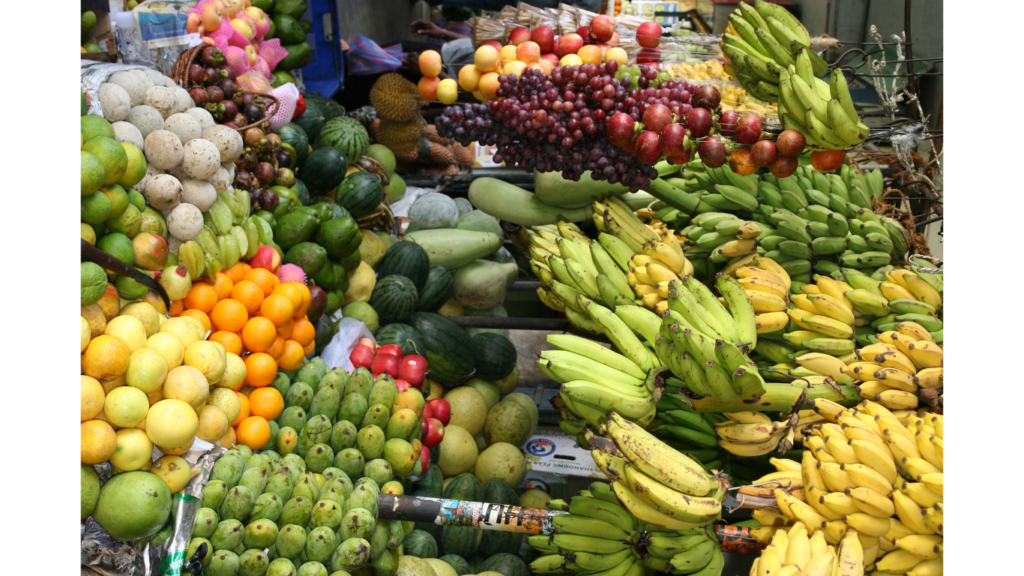
Exploring Vietnamese fruits is s a gateway to experiencing the country’s culture, climate, and local traditions. From the sweet lychee of Bắc Ninh to the creamy avocado of Đắk Lắk, and the iconic mangosteen in Ho Chi Minh City, each fruit tells a story about its region and people.
As an expat, you don’t need to travel to every province to enjoy these tropical fruits in Vietnam — modern distribution means you can find many of these specialties in local markets, supermarkets, and street stalls across the country. Sampling fruits at a homestay, street food stall, or even in a smoothie or dessert is a simple yet authentic way to connect with Vietnamese daily life.
And while you’re savoring these fresh flavors, learning a few Vietnamese words can make the experience even richer. Knowing how to ask for fruit, inquire about seasons, or understand local recommendations not only helps you navigate markets but also gives you a small window into the language and culture.
So next time you bite into a juicy lychee, a tangy plum, or a creamy Hòa Lộc mango, take a moment to appreciate the story behind it — and maybe learn a new Vietnamese word while you’re at it. Enjoy the flavors, enjoy the culture, and let your fruit journey be part of your adventure in Vietnam.