
Table of Contents
Introduction: Discover the best Vietnamese food in Ho Chi Minh City
If you’re in Ho Chi Minh City, your culinary adventure is incomplete without tasting Vietnamese snacks. The city is a treasure trove of flavors, with street vendors, night markets, and small cafes offering an unmatched variety of dishes that are vibrant, aromatic, and culturally rich. Whether you’re an expat wanting to dive into local life or a traveler curious about authentic Vietnamese cuisine, these snacks provide a window into Vietnam’s culture and everyday life.
Street food in Vietnam isn’t just about eating, it’s about connecting with people, culture, and the city itself. The World Food Travel Association (WFTA) estimated that a staggering 81% of international travellers express a desire to explore local cuisine, highlighting street food as a top reason to explore Vietnam. You’ll see locals sitting on tiny plastic stools, chatting with friends, and enjoying quick bites that are both satisfying and affordable.
In this guide, you’ll learn not only what to eat in Vietnam but also the stories behind each snack. You’ll find tips on where to try them, how to enjoy them safely, and interesting facts that will make every bite more meaningful. Let’s dive into the savory, sweet, and traditional Vietnamese snacks that define Ho Chi Minh City’s culinary landscape!
Savory street Vietnamese snacks: A flavorful adventure
Bánh tráng trộn (mixed rice paper salad)
Hailing from southern Vietnam, “bánh tráng trộn” is a street snack loved for its bold, complex flavors. It features shredded rice paper tossed with dried beef, quail eggs, fried shallots, peanuts, Vietnamese coriander, and a spicy tamarind-lime dressing. Each bite combines crunch, chewiness, tang, and heat, creating a harmonious explosion of textures and tastes.
Vendors serve it in a plastic bag with a pair of chopsticks, making it perfect for on-the-go snacking. Some stalls add dried mango or dried beef jerky, reflecting Vietnam’s creative street food culture. Eating “bánh tráng trộn” lets you engage with local life – you can sit on a small street stool in District 1 or 3 and enjoy the lively evening atmosphere. It’s a quintessential popular Vietnamese snack and an ideal introduction to the best Vietnamese food in Ho Chi Minh City.
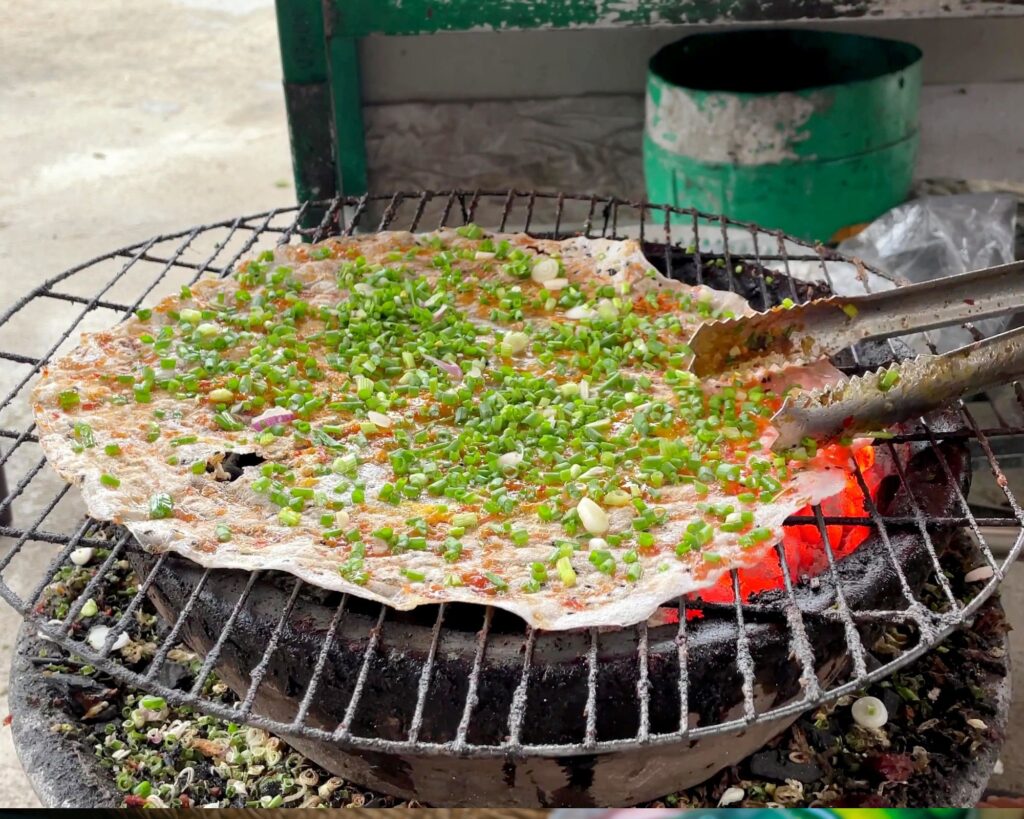
Bánh tráng nướng (Vietnamese pizza)
Known as the “Vietnamese pizza,” “bánh tráng nướng” is a crispy rice paper topped with egg, dried shrimp, green onions, and occasionally cheese or sausage. Grilled over charcoal, the rice paper crisps while the toppings release savory and aromatic flavors.
Originating in southern Vietnam, it is particularly popular among students and young adults at night markets. Vendors carefully flip the rice paper to ensure even grilling, and each vendor’s recipe is unique. Eating “bánh tráng nướng” is a full sensory experience: the sizzling sound, the smoky aroma, and the crunchy texture create a memorable street food encounter. This dish is a must-try Vietnamese snack that represents local culinary creativity.
Nem chua rán (fried fermented pork rolls)
“Nem chua rán” comes from northern Vietnam and is made from fermented pork wrapped in banana leaves or rice paper, then deep-fried. Its crispy exterior contrasts with the tangy, soft interior, giving a complex flavor profile unlike any Western fried snack.
Traditionally eaten during festivals, it has become a staple street food in Ho Chi Minh City. It is often served with chili sauce or pickled vegetables to enhance the taste. Sampling “nem chua rán” allows you to experience northern Vietnamese culinary techniques and understand how fermentation shapes flavor. It’s a memorable choice when exploring what to eat in Vietnam.
Bắp xào (butter fried corn with dried shrimp and scallion)
“Bắp xào” is a sweet and savory corn dish popular on Ho Chi Minh City’s streets. Sweet corn is sautéed with butter, dried shrimp, scallions, and sometimes chili, creating a comforting, flavorful snack.
Vendors sometimes roast the corn first to enhance its natural sweetness before stir-frying. It’s commonly enjoyed during the evenings as a warm, aromatic street snack. Eating “bắp xào” highlights the Vietnamese skill of balancing sweet and savory flavors. It’s a great example of the best snacks in Vietnam that’s both simple and satisfying.
Cá viên chiên, bò viên, tôm viên (fried fish, beef, shrimp balls)
These bite-sized fried balls are skewered and deep-fried, often served with dipping sauces like chili, mayonnaise, or tomato sauce. Each ball has its own texture: fish is soft and chewy, beef is hearty, and shrimp is slightly sweet.
Vendors sometimes mix all three types on one skewer for variety. You can try multiple flavors in one go. It’s a playful and filling snack, popular among children, students, and expats alike. They represent the best snacks in Vietnam for anyone seeking fun and flavorful street food.

Sweet Vietnamese snacks & desserts: refreshing flavors of Vietnam
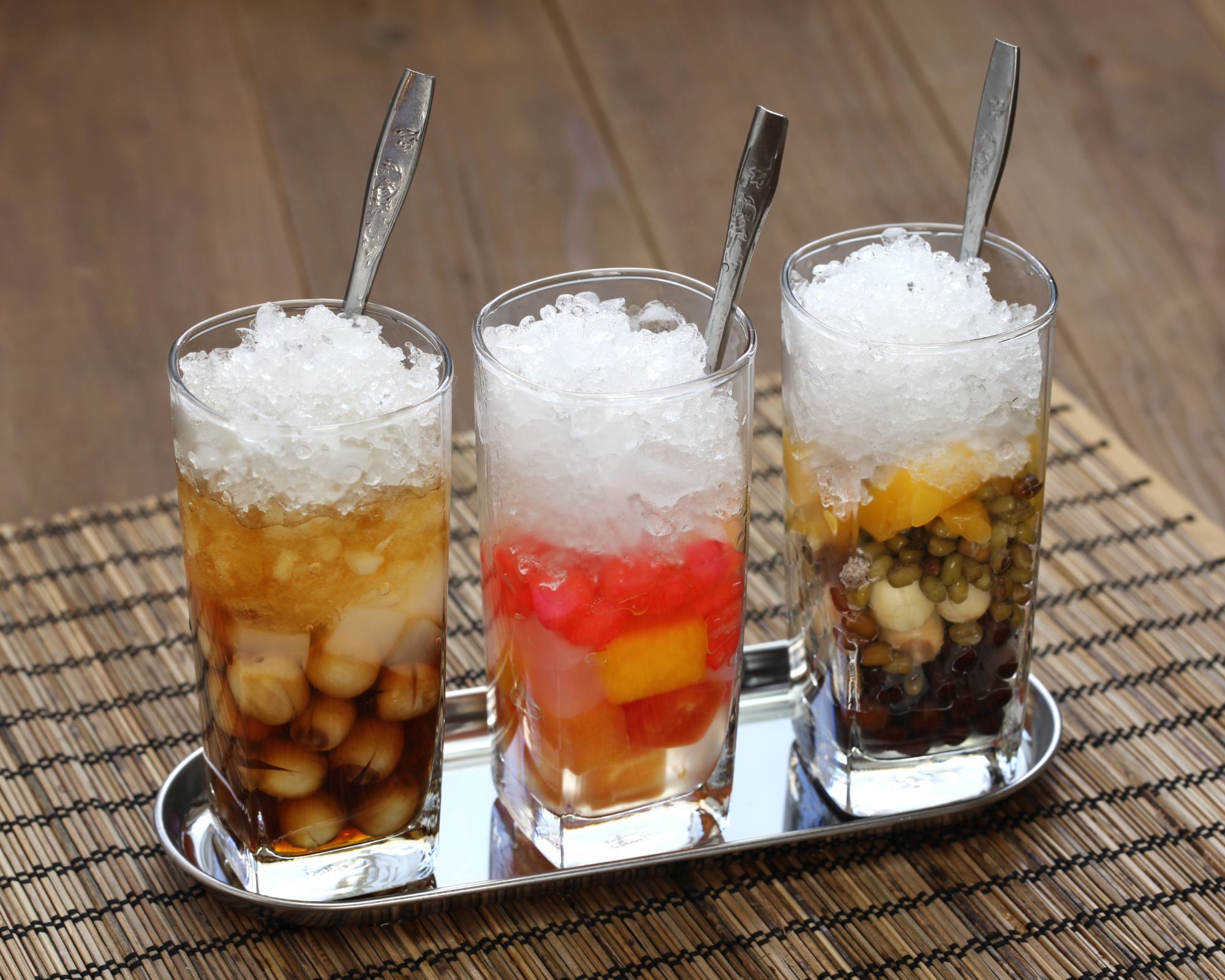
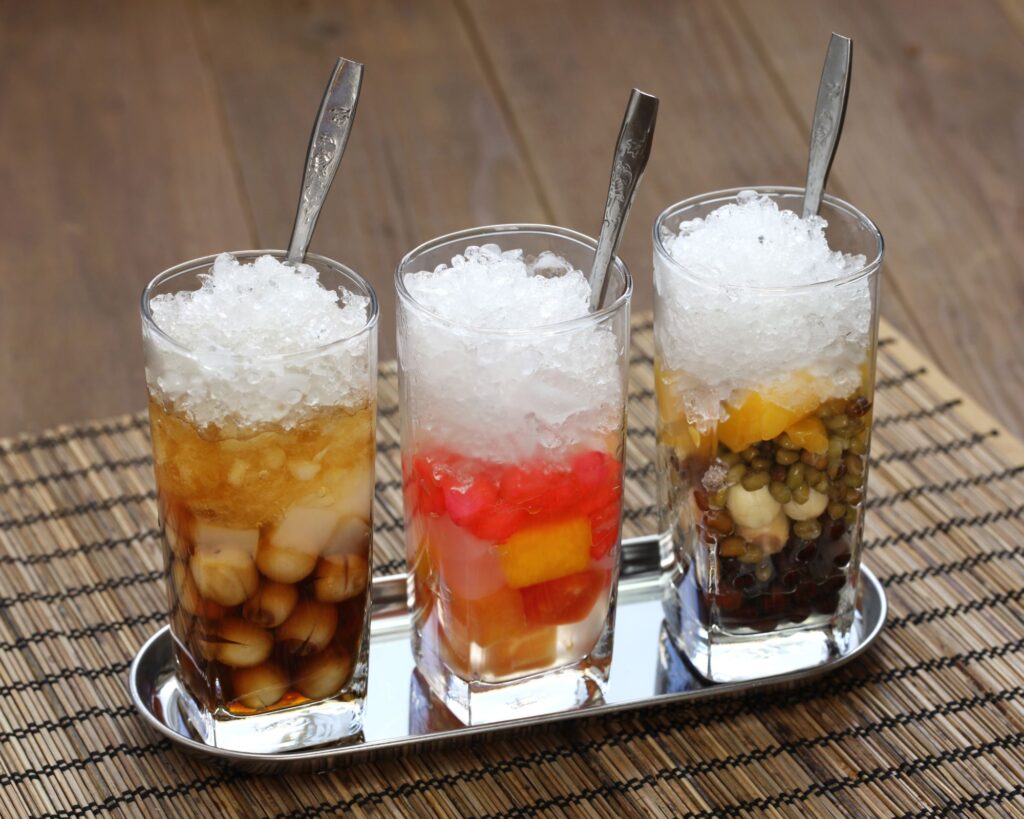
Chè (sweet soups)
“Chè” is a family of sweet soups combining beans, fruits, glutinous rice, jellies, and coconut milk. Popular varieties include “chè ba màu” (three-color dessert), “chè bưởi” (pomelo sweet soup), “chè đậu xanh” (mung bean sweet soup), and “chè thái” (mixed fruits with coconut milk).
Originating centuries ago, “chè” was once a royal dessert. Today, it’s widely available on the streets and in markets. Fun fact: in “chè ba màu”, each color represents luck, wealth, and health. Served cold, it’s refreshing under Ho Chi Minh City’s tropical sun. Enjoying “chè” is an essential experience for those seeking popular Vietnamese snacks and discovering what to eat in Vietnam.
Sữa chua mít & sữa chua nếp cẩm (yogurt with jackfruit or sticky rice)
Vietnamese yogurt, “sữa chua”, is often paired with jackfruit (“mít”) or black sticky rice (“nếp cẩm”). Creamy, tangy yogurt combines with sweet tropical flavors, while sticky rice adds a chewy texture. “Nếp cẩm” is fermented for a subtle sour-sweet taste.
This refreshingly simple yet sophisticated treat is widely loved, making it an affordable and delightful escape for all ages, earning its place as one of the best Vietnamese foods in Ho Chi Minh City.
Sâm bổ lượng (herbal sweet soup with dried fruits and jelly)
“Sâm bổ lượng” blends herbs, dried fruits, and jellies, creating a dessert that’s lightly sweet and aromatic. Traditionally consumed to cool the body, it combines health benefits with indulgence.
Locals view “sâm bổ lượng” as a “healthy dessert” because of its nutritional components. Each spoonful includes different textures, chewy jellies, plump dried fruits, and soft seeds, making it playful. “Sâm bổ lượng” is perfect for hot days and is a culturally significant Vietnamese snack offering flavor and wellness simultaneously.
Trái cây dầm (mixed fruit with condensed milk and crushed ice)
“Trái cây dầm” is chopped tropical fruits with condensed milk and crushed ice. Its sweetness and refreshing coldness make it a favorite summer dessert.
“Trái cây dầm” is perfect for hot evenings, and it’s also served as a reason to meet up with friends. It’s interactive, versatile, and an example of popular Vietnamese snacks that’s fun and satisfying.
Tàu hủ (tofu pudding)
“Tàu hủ”, or tofu pudding, is silky and mild, served hot or cold. Its simplicity showcases the elegance of Vietnamese desserts.
Originating from Chinese influence, “tàu hủ” is often topped with ginger syrup, pandan, or coconut milk. It’s considered light and comforting, often eaten as an afternoon treat or late-night snack. This soft pudding is a culturally immersive Vietnamese snack perfect for exploring local sweet traditions.
Vietnamese traditional cakes: a sweet slice of history
Bánh cam (fried sesame balls)
“Bánh cam” is a traditional fried snack that you’ll often find in the bustling markets of southern Vietnam. Despite its name, it has nothing to do with oranges; its round shape simply resembles one. Made from glutinous rice flour, this golden-brown ball is filled with sweet mung bean paste and coated with sesame seeds before being deep-fried until crisp. The first bite gives you a crunchy shell, followed by a soft, mildly sweet filling that balances texture and flavor perfectly.
Originating from rural kitchens, “bánh cam” became popular as a street snack because it’s inexpensive, easy to carry, and universally loved by children and adults alike. If you don’t know what to eat in Vietnam, definitely try this one, it won’t dissapoint you.
Bánh tiêu (hollow fried bread)
“Bánh tiêu” is a beloved traditional fried snack commonly found in Ho Chi Minh City’s bustling street food scene. This airy pastry is made from wheat flour, a hint of sugar, leavening agents, and coated with a thin layer of sesame seeds before being deep-fried until golden and slightly puffed. What you get is a delicate outer crust that shatters gently under your teeth, giving way to a soft, subtly sweet interior, with the sesame adding a nutty aroma that lingers.
A fascinating, fun fact: legend has it that “bánh tiêu” was created as a satirical homage to a corrupt official. By frying this dough in oil, people humorously hoped the official would meet a similar fate.
Bánh bò (honeycomb cake)
“Bánh bò” is a nostalgic sponge cake cherished in Vietnam for its soft, chewy texture and gentle sweetness. Made simply from rice flour, sugar, water, yeast, and often enriched with coconut milk, it develops a distinctive honeycomb interior, known locally as “rễ tre” (bamboo roots), which gives it an airy yet satisfying bite.
In many rural families, bánh bò is more than a snack; it’s a taste of home and childhood. The name of the dessert is “bánh bò” but it has nothing to do with cows. In Vietnamese, the word “bò” can mean “cow,” but it can also mean “to crawl.” Here, it refers to how the dough seems to “crawl” over the bowl’s rim during fermentation. This simple yet indulging dish is considered one of the best snacks in Vietnam.
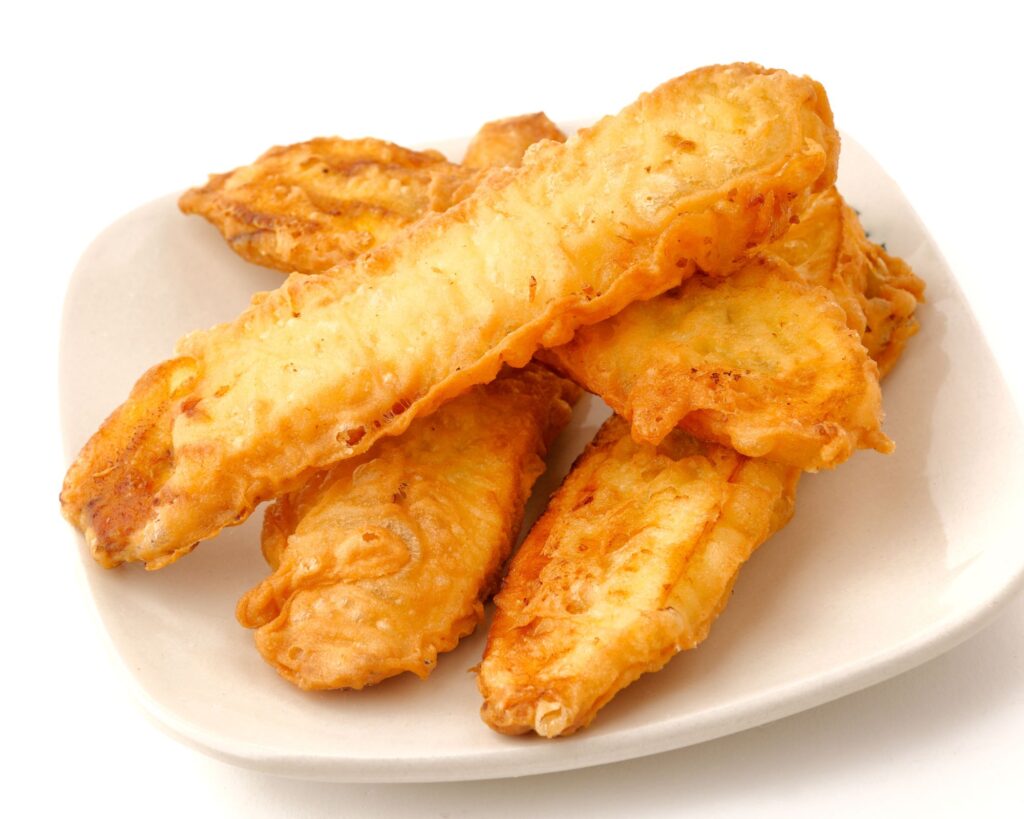
Bánh chuối chiên (fried banana fritters)
“Bánh chuối chiên” is a beloved Vietnamese snack that evokes sweet nostalgia for many locals. Typically sold on the streets of Ho Chi Minh City, this fried banana fritter boasts a golden, crispy exterior and a soft, fragrant banana center, often enriched by subtle notes of coconut.
The crunchy bite followed by the creamy, sweet banana is so distinctive that it instantly transports you back to carefree school days. The savoir-faire of vendors, who must time the frying just right to avoid soggy interiors or burnt surfaces, is part of the magic behind each perfect piece. It’s this combination of masterful technique and heartwarming nostalgia that cements its place as one of the best Vietnamese snacks in Ho Chi Minh City.
Bánh da lợn (steamed layer cake with pandan & mung bean)
“Bánh da lợn” is a cherished Vietnamese steamed layer cake, especially popular in the southern region. Crafted from a blend of rice flour, tapioca starch, coconut milk, sugar, and natural flavorings like mung beans, pandan, taro, or durian, this dessert delight features colorful, thin layers, typically green from pandan and pale yellow from mung bean, alternating in a delightfully chewy and elastic texture. Each bite seems to melt in your mouth, releasing waves of gentle sweetness.
Despite its literal name, “pig-skin cake”, there’s no pork involved. The name playfully references the cake’s soft, layered appearance reminiscent of skin texture. This is listed in the most popular Vietnamese snacks and also earned international recognition: in 2024, Taste Atlas listed bánh da lợn among the “100 most delicious sweet cakes to try in 2025,” highlighting its aromatic coconut richness and layered elegance.
Tips for enjoying Vietnamese snacks in Ho Chi Minh City
- Explore street food alleys: Districts 1, 3, and 5 are famous for snack stalls. Observing locals can help you pick the best vendors.
- Start small: Try one portion first to test your palate before committing to larger servings.
- Stay hydrated: Many snacks are fried or sweet; pair them with local drinks like iced coffee or fresh coconut water.
- Observe hygiene: Pick vendors who prepare food fresh in front of you.
- Interact with locals: Ask for recommendations, they often know hidden gems.
- Timing matters: Evening snacks are popular between 5–9 pm, while sweet desserts are often sold throughout the day.
Conclusion: More to explore beyond these 15 Vietnamese snacks
Hopefully, after this article, you will have more answers to the question “what to eat in Vietnam”. While we’ve just explored 15 Vietnamese snacks that represent some of the best bites you can find in Ho Chi Minh City, the journey doesn’t stop here. Vietnam’s street food culture is incredibly diverse; every neighborhood, every market, and even every season brings new flavors and surprises. From lesser-known regional specialties to modern twists created by young vendors, there’s always something new waiting for you on the streets.
Ultimately, you’ll discover that food in Vietnam is less about consumption and more about connection. Many of the best discoveries come from casual conversations with local vendors, listening to the stories behind each dish, and even learning the jokes or phrases people say while enjoying these snacks together.
And the surest way to unlock these deeper connections — to hear the stories behind the food and share a laugh with a friendly vendor — is through language. That’s why learning Vietnamese can open so many doors. Not only will you be able to order like a local, but you’ll also gain access to the cultural and emotional layers hidden in every bowl, every skewer, and every dessert.

我来看看是咋么回事
Wishing you happiness every day.
Yo, just throwing my hat in the ring for ae888cg. Been looking for a new spot to hang out online, and this site might just be the one. Good game selection. Check ’em out yourself! ae888cg
So, I stumbled upon 98wn a while ago. Not gonna lie, it’s pretty basic but it did offer few decent games that I haven’t seen elsewhere. Worth checking to grab some unique experiences at 98wn.