
Table of Contents
Vietnamese cuisine is widely celebrated for dishes like “phở”, “bánh mì”, and “gỏi cuốn” (fresh spring rolls), but the country’s culinary scene has a far more adventurous side. If you are curious about exotic Vietnamese food, this list of must-try Vietnamese dishes will guide you through flavors, textures, and experiences you might never have imagined.
By exploring these exotic Vietnamese foods, you don’t just eat – you participate in Vietnam’s culture, history, and seasonal traditions.
Why You Should Try Exotic Vietnamese Food
Trying exotic Vietnamese food is more than a culinary challenge – it’s a cultural journey. Each dish connects you to local customs, ingredients, and the stories behind them. Many expats in Vietnam report that stepping out of their comfort zone with food helped them integrate faster and feel closer to the community.
Exploring unique dishes also gives you the chance to discover hidden gems. From street vendors to seasonal delicacies, Vietnam offers a range of flavors that are often absent in tourist guides. These foods are not extreme for shock value – they are authentic, traditional, and sometimes seasonal. Whether you are searching on Google for “Vietnamese street food near me” or planning a culinary tour, these ten dishes are essential for food lovers like you.
10 Exotic Vietnamese Foods You Should Try
1. Hột vịt lộn (balut)
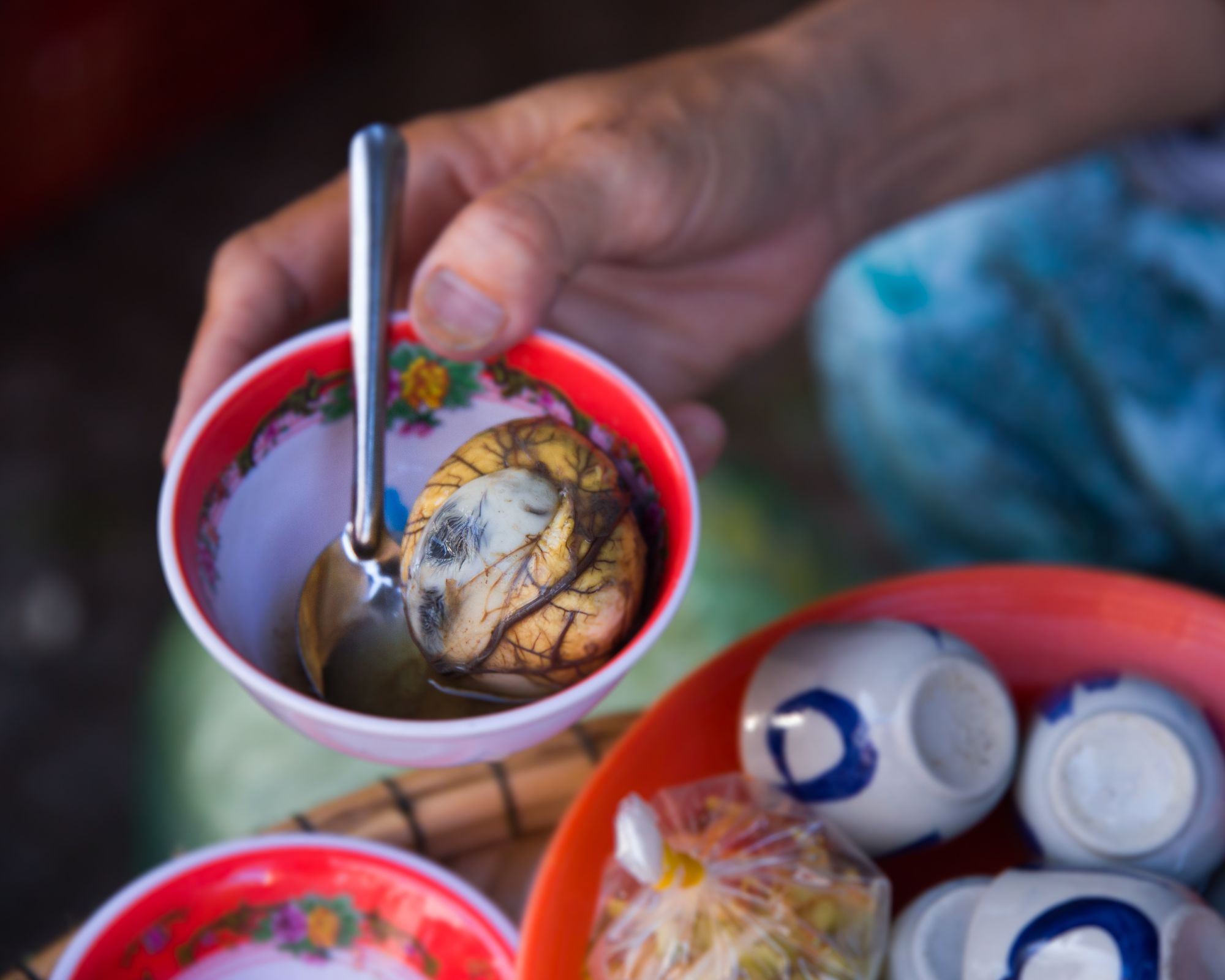
“Hột vịt lộn”, also known as balut, is a popular street food across Vietnam, often sold in the evenings. It has been enjoyed for generations as a nourishing snack.
- How it tastes: When you crack open a hot balut egg, the creamy yolk and tender duck embryo immediately rise with a rich, savory aroma. The broth inside tastes subtly sweet, similar to lightly seasoned chicken stock. The yolk is buttery, and the embryo has a soft, slightly chewy texture. Locals sprinkle salt, pepper, and fresh Vietnamese coriander to balance the richness. If you are trying it for the first time, sip the broth first, then take small bites of the yolk and embryo for the full experience. Eating it while still hot is ideal.
- Fun fact: Vietnamese people believe “hột vịt lộn” is a “strength booster” and a late-night delicacy.
2. Chả rươi (sandworm omelet)
“Chả rươi” is a seasonal specialty from Northern Vietnam, particularly Ha Noi and Hai Duong. It appears only during a few weeks in autumn. This can be the bold answer to your question “What to eat in Vietnam?”.
- How it tastes: The omelet combines tender, fatty sandworms with fresh eggs and a hint of tangerine peel. The outer layer is golden and crisp, while the inside remains soft and savory. The slight sweetness of the egg balances the natural umami of the sandworms. It is usually served with steamed rice or dipped in fish sauce with sugar, lime, and chili. Eating it hot allows you to appreciate its delicate texture and seasonal uniqueness.
- Fun fact: The rarity of sandworms makes this dish highly prized, and locals consider it a seasonal delicacy worth waiting for.
3. Nhộng tằm chiên (fried silkworm pupae)
“Nhộng tằm chiên” comes from northern Vietnam’s long-standing silk-making tradition, where silkworms are a byproduct of silk production.
- How it tastes: “Nhộng tằm chiên” has a crunchy exterior and a soft, creamy interior. They carry a mild, earthy aroma, complemented by salt, pepper, or lemongrass. Eating them hot provides a contrast between the crisp shell and tender inside. They are commonly paired with cold beer in local bars, making them an interactive snack.
- Fun fact: The FAO recognizes insects like silkworm pupae as sustainable protein sources.
4. Đuông dừa (coconut palm worms)
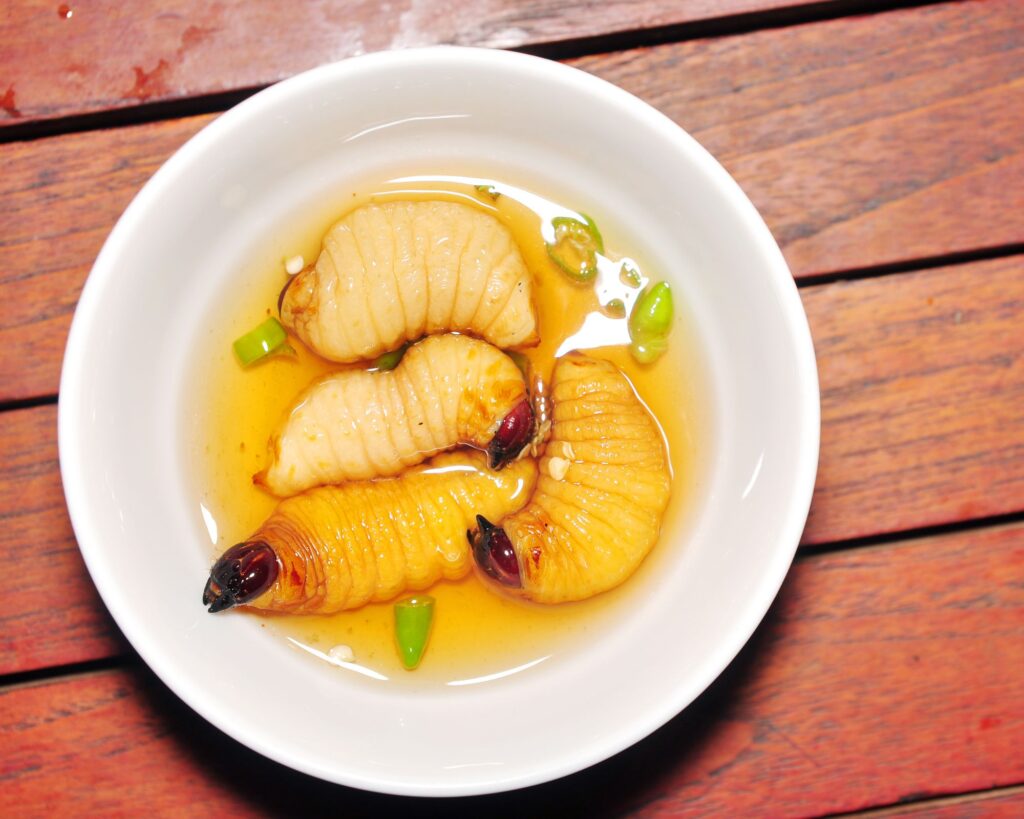
“Đuông dừa” or coconut palm worms are one of the most talked-about exotic Vietnamese foods in southern Vietnam, especially in the Mekong Delta. These plump larvae live inside coconut trees, feeding on the soft core of the palm.
- How it tastes: These worms are naturally rich and buttery with a slight sweetness. Many locals enjoy eating “đuông dừa” raw, dipped in fish sauce for a savory punch. However, beginners can enjoy the fried or grilled version, which is more approachable and still delicious. When grilled or fried, the outside is firm, and the inside remains creamy. Eating them hot provides a satisfying combination of texture and taste.
- Fun fact: Trying “đuông dừa” is often seen as a “dare food” among locals and travelers, but for many in the Mekong Delta, it is a seasonal delicacy that reflects the resourcefulness and creativity of Vietnamese cuisine.
5. Sứa đỏ (red jellyfish)
“Sứa đỏ” is a specialty originally from Hai Phong and has become a favorite summer delicacy in both Hai Phong and Hanoi. It is harvested seasonally, usually from April to June, and is loved for its refreshing qualities during hot weather. If you explore Vietnam in the summer, this is one of the most must-try dishes in Vietnam!
- How it tastes: Red jellyfish is cool, crunchy, and slightly chewy. It is usually served with charcoal-grilled tofu, thinly sliced coconut, and fragrant herbs like perilla and mint. Diners wrap the jellyfish with these toppings and dip it into shrimp paste or sweet-and-sour fish sauce. The mix of textures – from the jellyfish’s crisp bite to the smoky tofu and creamy coconut – creates a refreshing and unforgettable balance that is perfect for hot days.
- Fun fact: In traditional belief, jellyfish is considered a “cooling food” that helps beat the summer heat. Because it is only harvested for a few months each year, enjoying it is seen as a seasonal treat.
6.Thắng cố (horse meat stew)
Thắng cố is a traditional dish of the H’Mông people in northern Vietnam, especially in Tuyen Quang and Lao Cai. It is made from horse meat and various internal organs such as intestines, liver, heart, and lungs, cooked with mountain herbs and spices like cinnamon, star anise, cardamom, and local roots.
- How it tastes: Thắng cố has a rich and distinctive flavor, slightly gamey from the organs, combined with the warm, aromatic spiciness of the herbs. The dish is traditionally cooked in a large pot and served hot, often enjoyed with corn wine during gatherings, creating a cozy and communal dining experience.
- Fun fact: The unique aroma and hearty taste make it a must-try for adventurous eaters visiting the northern highlands of Vietnam. Some find the flavor intense, but it is considered a cultural specialty of the H’Mông community.
7. Sá sùng (peanut worms)
“Sá sùng” also known as peanut worms, is a rare and prized seafood found in the sandy coastal areas of Vietnam, particularly in Quảng Ninh. Despite its unusual appearance, “sá sùng” is often called the “white gold” of the sea due to its natural sweetness, delicate texture, and high nutritional value. If you live in the North and often ask Google “Vietnamese street food near me” – why don’t you try this exotic but magnificent dish?
- How it tastes: “Sá sùng” is typically stir-fried with garlic, onions, and spices to create the famous “sá sùng xào” dish in Hạ Long. It can also be grilled, cooked with vegetables, or made into a flavorful porridge. The meat is tender and slightly sweet, with a subtle umami taste that makes it a delicacy among seafood lovers.
- Fun fact: Because of its rarity and high value, “sá sùng” is often considered a luxury specialty, enjoyed mostly by the wealthy or served on special occasions.

8. Ếch xào sả ớt (stir-fried frog with lemongrass & chili):
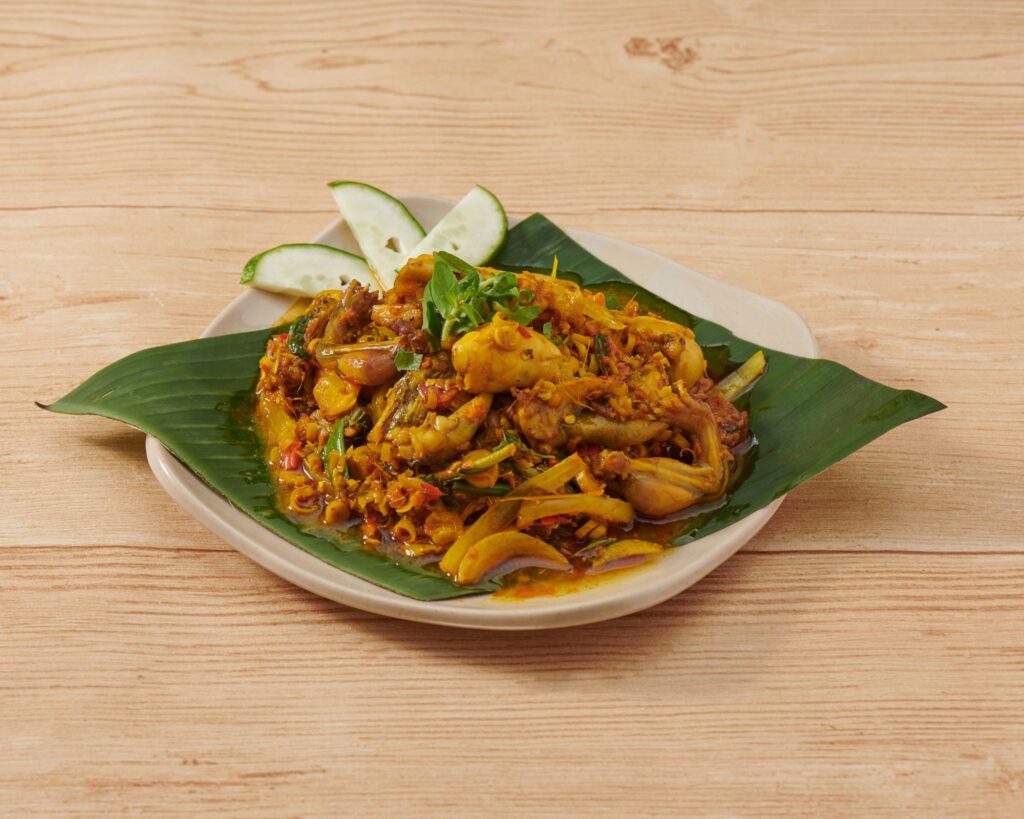
“Ếch xào sả ớt” is a rustic yet popular dish in many regions of Vietnam, often served in family meals and street food stalls alike. Delicious, nutritious, and affordable, this is absolutely one of the most must-try Vietnamese dishes.
- How it tastes: The frog meat is tender and slightly sweet, similar in texture to chicken but finer in grain. When stir-fried, it absorbs the citrusy aroma of lemongrass and the heat of fresh chili, creating a dish that is both savory and refreshing. Served sizzling hot, it is best enjoyed with steamed rice or as a drinking snack. Each bite offers a balance between the softness of the meat and the bold kick of spices, making it an unforgettable exotic Vietnamese food.
- Fun fact: In Vietnam, frog meat is sometimes referred to as the “chicken of the field,” showing how familiar yet unique it is in local cuisine.
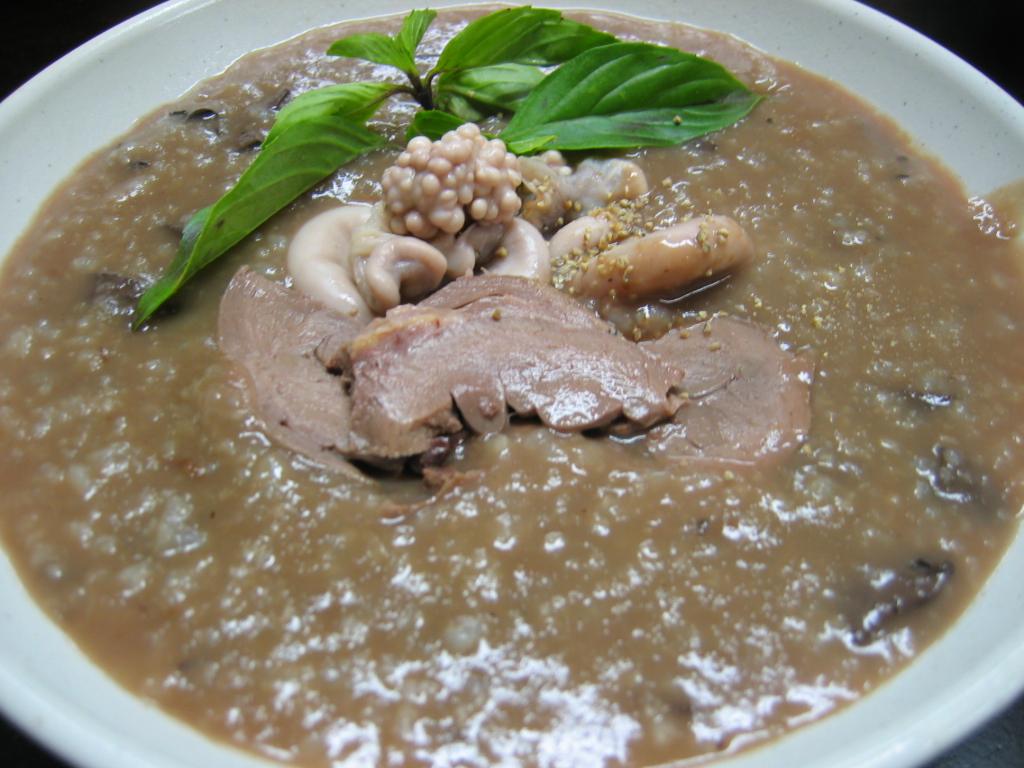
9. Cháo lòng (pork innards porridge)
“Cháo lòng” is a traditional breakfast or late-night dish across Vietnam. Warm, rich and affordable, “cháo lòng” can be the top option when you don’t know what to eat in Vietnam.
- How it tastes: The porridge is warm, silky, and savory, infused with the subtle sweetness of slow-cooked rice and rich broth. It is topped with tender pork innards, liver, and fresh herbs. A squeeze of lime and a dash of pepper enhance the flavor. Eating it is comforting and nourishing, and it is often enjoyed as a breakfast dish or a hangover cure.
- Fun fact: Many locals consider cháo lòng a “national hangover cure”.
10. Thịt chuột (rat meat)
“Thịt chuột” is a distinctive specialty in Vietnam, especially in the rural areas of the Mekong Delta provinces like Dong Thap and An Giang. The best season to enjoy this dish is during the flood season and after the rice harvest, typically from the 7th lunar month until after the Lunar New Year (tết Nguyên đán).
Farmers traditionally catch field rats that feed on rice in the paddies. Unlike urban rats, these field rats are considered clean because they eat crops rather than waste. Over time, dishes made from field rat meat have become an authentic reflection of countryside cuisine. Trust us, this is one of the must-try Vietnamese dishes you would absolutely love.
- How it tastes: When grilled or roasted, rat meat is surprisingly tender and flavorful, often compared to chicken but with a slightly gamier note. Popular cooking methods include roasting over charcoal, stir-frying with lemongrass and chili, or deep-frying until crispy. Locals enjoy it with fresh herbs and rice wine, turning it into both a rustic family dish and a popular drinking snack.
- Fun fact: “Thịt chuột” symbolizes resourcefulness in using seasonal ingredients and is considered a delicacy. For adventurous eaters, trying “thịt chuột” is a chance to taste one of Vietnam’s most unusual yet culturally rooted foods.
Conclusion: Explore exotic Vietnamese food, explore Vietnam
Exploring exotic Vietnamese food gives you more than just unique flavors – it is a gateway into the country’s culture, history, and seasonal traditions. From “hột vịt lộn” to “thịt chuột”, each dish tells a story. Which dish will you try first? Whatever you choose, you will capture Vietnam with unforgettable exotic Vietnamese food memories. Also, if you want to immerse yourself even more in Vietnamese culture, learning the language can enhance your experience, helping you connect with locals and understand culinary customs on a deeper level. Don’t hesitate and start your journey today with VLS.


The https://www.examstrust.com/product-detail/hpe7-j02-cert-exam.html Advanced HPE Storage Integrator Solutions Written Exam validates expertise in designing, implementing, and optimizing HPE storage solutions. It assesses knowledge of HPE storage architecture, data protection, performance optimization, and troubleshooting. This certification proves proficiency in managing advanced HPE storage environments, ensuring effective integration and operational efficiency.
123betno1? No. 1 katanya? Buktikan dulu dong! Mau coba pasang bola ah malam ini. 123betno1
Seubet? Okay, sounds interesting. Anyone used them for sports betting? What are the odds like? Giving seubet a try if it’s worth it!